
What's the Connection Between a Technical SEO Consultant and Website Security?
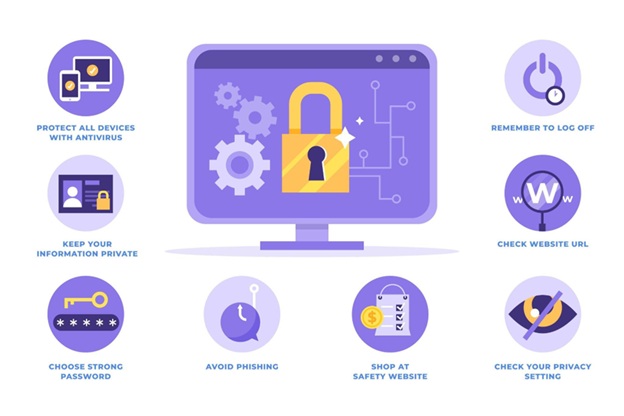
When someone hears ‘website security’, they usually think in terms of firewalls, antivirus software, and strong passwords. But there’s something else that keeps a site secure and most people overlook it – the way it’s built and structured behind the scenes.
If your site is running on outdated protocols, has broken redirects, or accidentally exposes sensitive pages to Google, you’re leaving doors wide open for attackers. What’s even worse is that search engines will notice all this, too, and that ‘Not Secure’ warning in a browser will tank your SEO rankings.
This is where you can benefit from a technical SEO consultant. Not only will they improve your site’s visibility, they’ll also deal with the technical side of things that affect how safe and trustworthy your site is.
Let’s take a closer look at how technical SEO and website security connect.
The Overlap Between Technical SEO and Website Security
Technical SEO is what ensures optimal performance for your website (fast, smooth, and secure). It focuses on the structure and setup of your site so that search engines can easily crawl, index, and understand your content. Things like site speed, mobile-friendliness, and clean URLs all fall under technical SEO. It basically helps search engines (coughGooglecough) more easily access your content, interpret it, and rank accordingly.
On the other hand, website security is about keeping your site and its users safe. It means protecting sensitive information, blocking unauthorized access, and ensuring secure and reliable access for anyone who visits your site – which is what people who visit your website ultimately want.
The two might sound like two separate worlds, but they’re actually inextricably linked (in more ways than one).
A lot of technical SEO practices, such as switching your site to HTTPS, setting up secure redirects, and properly configuring your server, make your site safer. When these areas are properly configured, they not only protect users but also help improve your site’s credibility with search engines.
For example, Google uses HTTPS as a ranking factor, which means secure sites have a better chance of showing up higher in search rankings.
How Technical SEO Improves Website Security
Here are some of the most important practices where the connection between technical SEO and website security shows up.
-
HTTPS and SSL Certificates
When a site runs on HTTP instead of HTTPS, any information users send (passwords, credit card details, etc.) can be intercepted. If you switch to HTTPS, the data is safe from prying eyes during transmission. An SSL certificate makes it possible by creating a secure connection between the user’s browser and your server.
But it’s not just about flipping a switch. A technical SEO consultant can check that the SSL is set up correctly and there are no ‘mixed content’ issues, where some parts of a page (like images or scripts) still load over HTTP.
-
How a Technical SEO Consultant Can Help with Redirects
Redirects are meant to guide users and search engines from one page to another, but if they’re not configured well, they can be a security risk. For example, hackers can exploit open redirects and send visitors to malicious sites. Long redirect chains or loops also create opportunities for errors and vulnerabilities.
This is why so many businesses decide to hire an SEO consultant who can audit these configurations as well as help them get more traffic. When broken redirects get fixed and redirect logic is tightened, SEO performance gets a boost, and you close off potential attack vectors.
-
Indexation of Sensitive Pages
You don’t need every single page on your website to show in search results. Admin dashboards, login portals, and test environments can become easy targets if they get accidentally exposed. A technical SEO consultant can use tools like robots.txt files and meta ‘noindex’ tags to keep these areas hidden from search engines.
In some cases, password protection adds an extra layer of defense. This kind of attention to detail helps make sure that sensitive pages stay out of the public eye, which reduces the risk of unauthorized access.
-
Site Architecture and Permissions
A messy or outdated site structure isn’t just bad for SEO; it can also create security holes. Unnecessary plugins, broken links, or unprotected directories give attackers more opportunities to slip in. Consultants come in to clean up the architecture, remove weak spots, and optimize pathways for both users and crawlers.
They also audit server permissions and directory listings to make sure only the right people have access to sensitive files. When you tighten these controls, your website’s foundation is more secure and less vulnerable to threats.
Conclusion
As you’ve seen, technical SEO and website security are kind of like two sides of the same coin. Think of it like locking your doors before you throw a house party. Sure, the music and decorations (aka your content and design) are important, but none of that counts if someone sneaks in through a back window.
If you’ve been ignoring the technical side of things, take this as a sign to stop.
You need to take it seriously or you’re risking the security of your site, as well as your rankings.