
Understanding the Importance of Advanced Medical Imaging
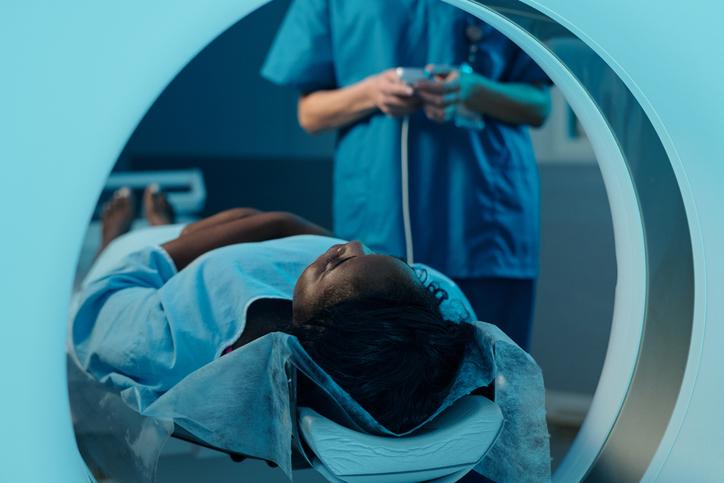
When pain, swelling, dizziness, or strange symptoms refuse to explain themselves, “wait and see” can feel pretty unsettling. You want answers. Your doctor does too. That is where advanced medical imaging becomes so valuable. It gives clinicians a clearer look inside the body when an exam, blood test, or symptom checklist is not enough.
For you as a patient, the importance of medical imaging is simple: faster clarity, better treatment decisions, and fewer unnecessary procedures. Once you understand the benefits of medical imaging, the main types of medical imaging, and the role of medical imaging in diagnosis, it becomes much easier to ask smart questions and feel steady about the next step.
The Evolution of Medical Imaging: Transforming Healthcare Through Innovation
Medical imaging has come a long way from the early days of basic X-rays. Today, doctors can use high-resolution, data-rich scans to diagnose conditions faster and with much more precision. That said, imaging should still be used thoughtfully. Over-testing is a real concern: “In a national survey, three- quarters of US physicians indicated that unnecessary medical tests, including imaging tests, constituted a ‘very or somewhat serious problem.’”
Utah’s healthcare landscape is growing quickly. Patients live in busy city areas, mountain communities, and expanding suburbs. Access matters here. Bad weather, work obligations, long drives, and appointment delays can all slow down care when people need answers.
From Basic Images to Clearer Answers
For many years, hospitals leaned heavily on X-rays. They are still useful, of course, but modern imaging can show much more. Doctors can now review soft tissue, blood flow, organ function, joint damage, and tumor activity in greater detail.
If you are comparing local imaging centers, searching for mri utah services may lead you to providers with faster scheduling, clear self-pay pricing, and detailed reports that can be sent quickly to your chosen physician. That can make a real difference when the issue feels urgent but does not necessarily require an emergency room visit.
AI, Digital Tools, and Faster Reports
Digital imaging has changed the entire process. Images can be stored, reviewed, shared, and compared more efficiently than ever before. AI tools may also help flag urgent findings, although radiologists remain central to interpreting scans and providing medical insight.
From AI-assisted reads to three-dimensional viewing and portable scanners, imaging innovation has made speed and accuracy part of everyday diagnosis. Now, it helps to understand which scan does what.
Exploring Different Types of Medical Imaging and Their Unique Benefits
No single scan answers every question. The right option depends on your symptoms, safety needs, the body area involved, and what your provider is trying to confirm or rule out.
MRI and CT Scans
MRI is often used for the brain, spine, joints, muscles, and soft tissue. It does not use radiation, which makes it a strong choice for many non-emergency concerns.
CT scans are known for speed. They are commonly used for trauma, lung concerns, cancer staging, bleeding, and vascular issues. When doctors need cross-sectional detail quickly, CT can be extremely helpful.
X-Ray, Ultrasound, and PET Imaging
X-rays remain common for fractures, chest concerns, and dental care. Ultrasound provides a real-time view and is widely used for pregnancy, blood flow, abdominal pain, and guided procedures.
PET and nuclear medicine scans show how tissues behave, not only how they look. That can be important in cancer care, heart evaluation, and certain brain disorders.
|
Imaging Type |
Often Used For |
Key Patient Benefit |
|
MRI |
Brain, spine, joints, soft tissue |
Detailed images without radiation |
|
CT |
Trauma, chest, cancer, vessels |
Fast answers in urgent cases |
|
Ultrasound |
Pregnancy, abdomen, blood flow |
Real-time and radiation-free |
|
PET/Nuclear |
Cancer, function, metabolism |
Shows disease activity early |
Once you know the basic tools, it becomes easier to see how imaging supports real medical decisions.
Benefits of Medical Imaging for Patients and Providers
The benefits of medical imaging are not theoretical. They show up in practical ways: less guessing, better planning, and a clearer path forward for both you and your care team.
Early Detection and Precise Diagnosis
A scan may reveal silent tumors, small fractures, disc problems, inflammation, or blood flow issues before symptoms become more serious. That is the true role of medical imaging in diagnosis. It gives doctors facts they can act on.
When symptoms overlap, imaging can also reduce the cycle of repeated testing. For you, that may mean less stress, fewer delays, and more confidence in what comes next.
Personalized Treatment and Lower Risk
Imaging helps doctors decide whether surgery, physical therapy, medication, injections, or monitoring makes the most sense. It also helps track whether treatment is actually working.
Patients looking for MRI Utah imaging may benefit from straightforward scheduling and quick access to reports, especially when coordinating care with a primary doctor, specialist, or injury care team. By replacing some exploratory procedures with focused, non-invasive information, imaging can also reduce avoidable risk.
Routine imaging may catch risks early and monitor chronic conditions before complications grow. That is where prevention and long-term care come in.
Importance of Medical Imaging in Preventive and Chronic Care
Preventive care is not limited to annual checkups. Sometimes it means using the right scan at the right moment, before a problem becomes harder to treat.
Heart, Bone, and Vascular Monitoring
Imaging can help track plaque, bone loss, aneurysms, joint changes, and circulation problems. For people with diabetes, heart disease, osteoporosis, or ongoing pain, follow-up scans may guide safer and more personalized care.
Used wisely, the importance of medical imaging becomes clear over time. It gives doctors a way to compare changes instead of relying only on symptoms or memory.
Precision Medicine and New Imaging Tools
When imaging data is combined with lab markers, genetics, and AI, it can support a more personalized care plan. AI-powered tools can assist healthcare teams by analyzing diagnostic imaging, highlighting potential abnormalities, and providing additional insights to support clinical decision-making.
That does not mean machines replace doctors. Not even close. Instead, these technologies are designed to help care teams identify concerns sooner, review information more efficiently, and make more informed decisions while keeping medical professionals at the center of patient care.
Choosing and Preparing for an Advanced Imaging Provider
The quality of your results depends on more than the scanner. Equipment matters, but so do radiologist expertise, scheduling, communication, and how smoothly your images reach the right provider.
What to Look for in a Provider
Ask whether radiologists are board-certified, how quickly reports are returned, how images are shared, and whether the staff explains preparation clearly. Patient reviews can also tell you a lot about scheduling, check-in, and overall organization.
When comparing MRI Utah providers, shorter wait times and quick appointment access can be a major benefit. Some centers can send scans directly to your specialist, which helps keep your care moving if follow-up is needed.
How to Prepare for Your Scan
Wear comfortable clothing, follow fasting instructions if provided, and ask about metal, implants, or medications before your appointment. If you feel nervous, mention it early. Imaging staff are used to that, and they usually have simple ways to help you feel more comfortable.
The right provider can make the whole experience easier, from scheduling to accurate reporting.
Common Questions About Advanced Medical Imaging
1. How do I know which scan I need?
Your doctor usually chooses based on your symptoms, the body area involved, and the medical question being asked. MRI is often best for soft tissue, CT for urgent detail, ultrasound for real-time views, and PET for function.
2. Is advanced medical imaging safe?
Most scans are very safe when ordered properly. MRI and ultrasound do not use radiation. CT, X-ray, and PET may involve radiation, but providers use the lowest reasonable exposure needed for the medical answer.
3. Can imaging find problems bloodwork can’t?
Yes, sometimes it can. Bloodwork may show inflammation, infection, or organ strain, but imaging can reveal structure, injury, tumors, bleeding, or tissue changes that lab results alone may not explain.