
Understanding access control and biometric systems in security
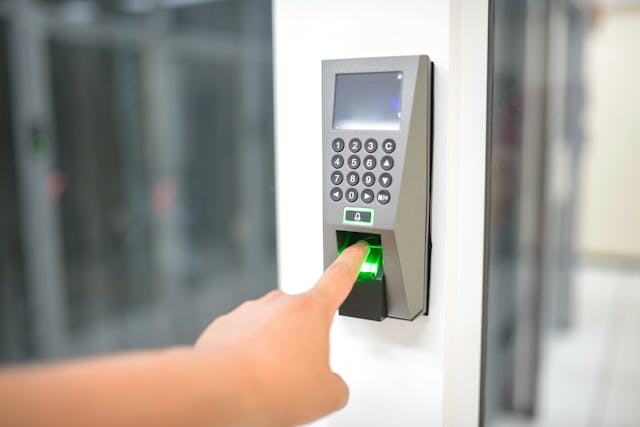
In the modern world, security is of paramount importance for both individuals and organizations. As technology advances, so do the methods of protecting assets and information. Two key technologies that have gained significant attention in recent years are access control and biometric systems. These technologies offer enhanced security measures, making them essential components in the design of secure environments.
What is access control?
Access control is a security technique that regulates who or what can view or use resources in a computing environment. It is a fundamental concept in security that minimizes risk to the business or organization. Access control systems can be physical, restricting access to buildings, rooms, or servers, or logical, controlling access to computer networks, files, and data.
Types of access control
There are several types of access control systems, each with its own set of features and applications:
- Discretionary access control (DAC): This type allows the owner of the resource to decide who can access it. It is flexible but can be less secure if not managed properly.
- Mandatory access control (MAC): This is a more rigid system where access rights are regulated by a central authority based on multiple levels of security.
- Role-based access control (RBAC): This system assigns access based on the user's role within an organization, ensuring that employees have access only to what they need to perform their job.
The rise of biometric systems
Biometric systems are becoming increasingly popular due to their ability to provide a high level of security. A biometric system uses unique physical characteristics of individuals to verify their identity. Common biometric identifiers include fingerprints, facial recognition, iris patterns, and voice recognition.
Advantages of biometric systems
Biometric systems offer several advantages over traditional security methods:
- Enhanced security: Biometric identifiers are unique to individuals, making it difficult for unauthorized users to gain access.
- Convenience: Users do not need to remember passwords or carry access cards, which reduces the risk of loss or theft.
- Efficiency: Biometric systems can quickly and accurately identify individuals, speeding up the process of access control.
Challenges and considerations
While biometric systems offer significant benefits, they also present challenges that must be considered:
- Privacy concerns: The collection and storage of biometric data raise privacy issues that need to be addressed through robust data protection policies.
- Cost: Implementing biometric systems can be expensive, requiring investment in technology and infrastructure.
- False positives/negatives: No system is perfect, and biometric systems can sometimes produce errors, either granting access to unauthorized users or denying access to legitimate ones.
Integrating access control and biometric systems
Combining access control with biometric systems can significantly enhance security. By integrating these technologies, organizations can benefit from the strengths of each, creating a more secure and efficient system. Access control systems can be used to manage permissions and track access logs, while biometric systems provide a reliable method of verifying identities.
As technology continues to evolve, the integration of access control and biometric systems will likely become more sophisticated, offering even greater security measures for protecting valuable assets and information.