
Securing the Future: Ebikes in the Age of Smart Mobility
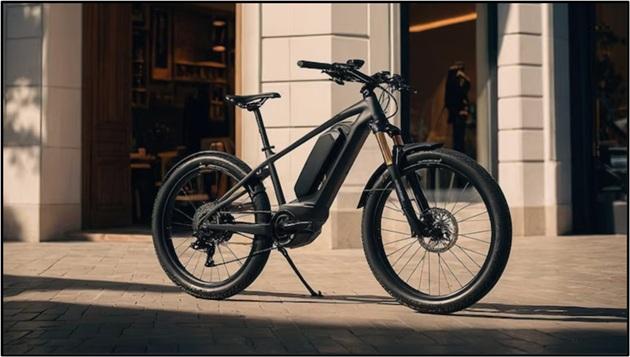
As cities get smarter and traffic gets worse, more people are turning to better ways of getting around. One option that’s gaining speed fast is the ebike. These electric bikes are changing how we think about daily travel, offering a cleaner, quicker, and more affordable way to move. Whether it’s cutting down on gas costs, avoiding traffic jams, or reducing your carbon footprint, ebikes are more than a trend, they’re a smart solution for modern mobility.
In this blog, we’ll look at why ebikes are key to the future of transport and how they fit into the age of smart mobility.
The Smart Revolution on Two Wheels
The convergence of electric bicycle technology and smart city infrastructure is creating unprecedented opportunities for sustainable transportation solutions. This isn't just about adding motors to traditional bicycles, it's about reimagining urban mobility entirely.
The Rise of Connected Ebikes
Modern e-bikes are increasingly becoming part of the Internet of Things (IoT), offering smart features that enhance the riding experience. These connected e bike models provide riders with real-time updates on battery status, route planning, and maintenance needs. The advanced intelligence in these systems enables a level of personalization that was once unimaginable, making electric bikes more efficient and user-friendly than ever before.
Integration with Urban Infrastructure
Smart city transport systems are beginning to incorporate ebikes into their planning and development. Cities like Amsterdam and Copenhagen have developed dedicated ebike lanes, smart traffic signals that prioritize cyclists, and secure parking facilities with charging stations. This integration helps reduce congestion while promoting eco-friendly transportation options that benefit both individuals and communities.
The Evolution of Electric Bicycle Technology in 2025
The technological advancements in ebike design and functionality continue to accelerate, making these vehicles more capable, reliable, and user-friendly than ever before. These innovations are pushing the boundaries of what's possible with electric bikes.
Smart Connectivity: The Neural Network of Modern Ebikes
Ebikes are becoming increasingly intelligent, with sophisticated systems that adapt to riders' needs and preferences. This connectivity is transforming how we interact with our bikes and the environment around us.
AI-Powered Performance Optimization
Modern electric bikes now feature artificial intelligence systems that analyze terrain, rider input, and environmental conditions to optimize power delivery and battery usage. These smart systems can automatically adjust assistance levels based on hills, headwinds, or even the rider's heart rate, creating a more efficient and enjoyable riding experience.
Predictive Maintenance Systems
Connected ebikes can now monitor component wear, battery health, and overall system performance in real-time. These systems alert riders to potential issues before they become problems, scheduling maintenance based on actual usage rather than arbitrary timelines. This predictive approach extends the lifespan of electric bicycle technology while ensuring optimal performance and safety.
The Battery Renaissance
Battery technology has seen remarkable improvements, addressing previous limitations in range, charging time, and longevity. These advancements are making ebikes more practical for daily use and long-distance travel.
Solid-State Battery Integration
The shift toward solid-state batteries represents a quantum leap in ebike power systems. These batteries offer higher energy density, faster charging, and improved safety compared to traditional lithium-ion cells. With ranges exceeding 100 miles on a single charge, range anxiety is becoming a thing of the past for ebike riders.
Ultra-Fast Charging Solutions
New charging technologies allow ebike batteries to reach 80% capacity in under 30 minutes, making quick top-ups feasible during coffee breaks or shopping trips. Some urban areas are developing networks of fast-charging stations specifically designed for ebikes, further enhancing their practicality for daily use.
Purpose-Built Ebikes: Beyond the One-Size-Fits-All Approach
The ebike market is diversifying rapidly, with manufacturers creating specialized models designed for specific use cases rather than general-purpose designs. This specialization is driving innovation and expanding the appeal of electric bikes to different user groups.
Urban Commuter Evolution
Commuter-focused ebikes are being reimagined to address the specific challenges of city riding, with designs that prioritize efficiency, security, and all-weather capability.
Lightweight Materials and Design
Urban commuter ebikes now feature carbon composite frames and components that bring total weight under 35 pounds without sacrificing durability or power. These lightweight designs make ebikes easier to maneuver in tight spaces and more practical to carry up stairs or onto public transportation, enhancing their appeal for mixed-mode commuting.
Weather-Adaptive Technology
All-season ebikes incorporate sealed electronics, automatic traction control, and puncture-resistant tires that perform reliably in all weather conditions. Some premium models even feature integrated weather protection for riders, such as expandable canopies or airflow management systems that minimize rain exposure.
Cargo & Utility Ebikes Reimagined
The latest cargo ebikes are transforming how goods and people move through urban environments, offering sustainable alternatives to vans and cars for many applications.
Modular Design Philosophy
Modular cargo ebikes feature adaptable attachment systems that can be quickly reconfigured for different tasks—from school runs to grocery shopping to small business deliveries. This versatility makes them practical alternatives to second cars for many families.
Smart Load Management
Advanced cargo ebikes incorporate dynamic weight distribution systems and stability control that automatically adjust handling characteristics based on load. These smart systems make heavily loaded bikes safer and easier to ride, even for less experienced cyclists.
Commercial Applications
Purpose-built commercial ebikes are revolutionizing last-mile delivery in urban areas, with designs optimized for courier services, food delivery, and small parcel distribution. These specialized vehicles offer significant cost and efficiency advantages over vans in congested city centers, while supporting eco-friendly transportation goals.
Smart City Integration: Ebikes as Infrastructure Nodes
Ebikes are becoming integral components of smart city ecosystems, functioning not just as vehicles but as mobile data nodes that enhance urban environments. This integration is creating new possibilities for urban mobility solutions and city management.
Vehicle-to-Everything (V2X) Communication
The ability of ebikes to communicate with surrounding infrastructure and vehicles is creating safer, more efficient transportation networks.
Traffic System Interaction
Smart ebikes can now communicate with traffic management systems, receiving real-time information about congestion, accidents, and road conditions. Some cities are implementing traffic light priority systems that detect approaching ebikes and adjust signal timing to improve flow and safety.
Safety Enhancement Networks
V2X-enabled ebikes exchange data with nearby vehicles, alerting car drivers to the presence of cyclists and vice versa. This communication system significantly reduces collision risks at intersections and in blind spots, addressing one of the primary safety concerns for urban cyclists.
Urban Planning Revolution
The integration of ebikes into urban planning is reshaping how cities design and manage their transportation networks, with dedicated infrastructure that promotes sustainable mobility.
Smart Docking and Charging Infrastructure
Urban areas are deploying networks of solar-powered docking stations that provide secure parking and charging for ebikes. These stations often incorporate additional amenities like tool kits, air pumps, and weather protection, enhancing the practicality of ebike commuting.
Multimodal Transportation Hubs
Transportation planners are developing integrated mobility centers that facilitate seamless transitions between ebikes and other modes of transport. These hubs feature secure ebike parking, charging facilities, and maintenance services adjacent to transit stops, making mixed-mode commuting more convenient and appealing.
The Road Ahead for Ebike Innovation
The future of ebikes is bright as cities push for greener ways to move and technology keeps improving. Ebikes aren’t just a passing trend, they’re part of a real change in how we get around. By blending electric power with the ease of cycling, they offer a cleaner, smarter way to travel.
With better batteries, stronger networks, and growing support from city planners, ebikes are set to become a key part of everyday transport. This shift brings a future that’s not only more efficient but also more sustainable for the next generation.
FAQs on Electric Bikes in Smart Mobility
- How do smart ebikes differ from traditional electric bicycles?
Smart ebikes incorporate connectivity features like GPS, smartphone integration, and IoT sensors that collect and transmit data. They can adapt to riding conditions, communicate with urban infrastructure, and provide riders with real-time information about routes, battery status, and maintenance needs—capabilities that traditional ebikes lack.
- What security measures protect smart ebikes from theft?
Modern ebikes employ layered security including GPS tracking, motion sensors, remote immobilization, and integrated alarms. Some premium models feature biometric locks that respond only to the owner's fingerprint, while others use blockchain verification to prevent unauthorized use, making them significantly harder to steal.
- How are cities using data from connected ebikes?
Cities analyze aggregated, anonymized data from ebikes to identify high-traffic cycling routes, dangerous intersections, and infrastructure gaps. This information helps urban planners optimize bike lane placement, improve traffic light timing, and prioritize maintenance, creating safer, more efficient smart city transport systems that benefit all road users.