
Repair or Replace? How to Decide When an Appliance Breaks Down
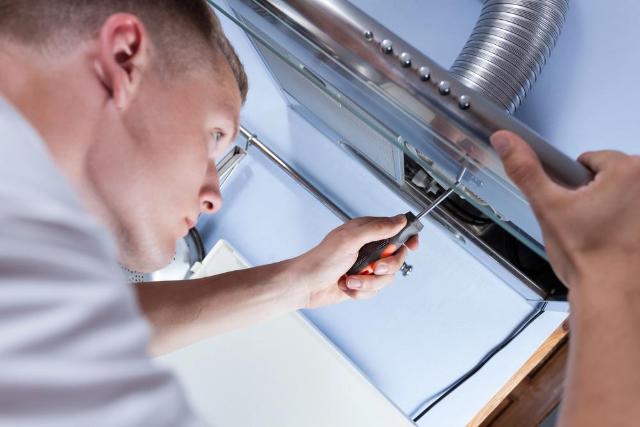
Image Source: depositphotos.com
A broken appliance forces a decision that's rarely as simple as it first appears: fix the current unit or replace it entirely. Making that call well requires weighing a few concrete factors rather than defaulting to whichever option feels easier in the moment.
The 50 Percent Rule as a Starting Point
A commonly used guideline suggests that if a repair cost exceeds roughly 50 percent of the cost of a comparable new appliance, replacement is usually the more sensible financial choice. This isn't a hard rule, but it provides a useful starting benchmark before factoring in the appliance's age and remaining expected lifespan.
Considering the Appliance's Age
Most major appliances have a typical expected lifespan — refrigerators and washing machines generally in the 10 to 13 year range, dishwashers somewhat less. An appliance nearing or past its typical lifespan that develops a significant issue is a stronger candidate for replacement than a newer unit with an isolated problem, since older appliances are more likely to develop additional issues soon after the current one is resolved.
Factoring In Energy Efficiency Improvements
Appliance efficiency has improved meaningfully over the past decade, particularly for refrigerators and washing machines. An older, less efficient appliance may cost more to operate over time even if repaired successfully, which is worth factoring into the total cost comparison rather than looking at repair versus replacement cost alone.
Assessing Repair Availability and Parts Cost
Some appliance models, particularly older or discontinued lines, have limited parts availability, which can make repairs more expensive or simply impossible to source in a reasonable timeframe. Checking parts availability before committing to a repair estimate avoids the frustration of a repair that stalls indefinitely due to a hard-to-find component.
Weighing Repair History
An appliance that has required multiple repairs in recent years is a stronger candidate for replacement than one experiencing its first issue, even if the current repair cost alone looks reasonable. A pattern of recurring problems often points to broader wear that isn't fully addressed by fixing the current specific issue.
Getting an Honest Assessment
Given how many variables factor into this decision, getting an honest, itemized assessment from iCare Appliance Repair or a similarly experienced technician tends to be more useful than guessing based on general rules of thumb alone. A good technician should be willing to tell a customer when replacement makes more sense than repair, rather than defaulting to whichever service generates more revenue for the visit.
Making this decision well ultimately comes down to balancing repair cost, remaining appliance lifespan, efficiency considerations, and repair history, rather than any single factor in isolation.