
Reliable Healthcare Software Development Services: Revolutionizing Modern Medicine
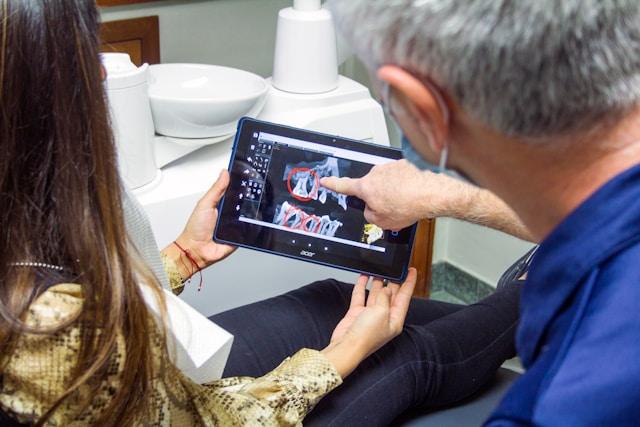
In an era where technology permeates every corner of our lives, healthcare has emerged as one of the most critical areas benefiting from innovative digital solutions. From managing patient records to diagnosing diseases with AI-powered tools, software has transformed how healthcare providers operate. The demand for reliable healthcare software development services has skyrocketed, as institutions seek tailored solutions that enhance efficiency, accuracy, and patient outcomes. But what does it take to develop healthcare software that’s not only advanced but also dependable?
Why Healthcare Software Matters Today More Than Ever
The healthcare industry is complex, regulated, and incredibly data-driven. With rising patient expectations, a growing aging population, and the need to manage chronic diseases, healthcare providers are turning to technology to bridge the gap. Reliable software systems help streamline operations, reduce manual errors, ensure regulatory compliance, and ultimately improve the quality of care.
Think about Electronic Health Records (EHR), telemedicine platforms, or mobile health apps. Each of these solutions relies on robust backend development and intuitive design. However, to function seamlessly in a high-stakes environment, the software must be reliable, secure, and scalable.
Key Features of Reliable Healthcare Software Development
So, what makes a healthcare software solution “reliable”? Here are the core attributes to look for:
- Security and Compliance: With regulations like HIPAA in the US and GDPR in Europe, safeguarding patient data is a top priority. Reliable healthcare software must incorporate strong encryption, access controls, and data governance protocols.
- Scalability: As hospitals expand or introduce new services, their software should adapt without the need for complete redevelopment.
- User-Friendly Interfaces: Doctors, nurses, and administrative staff aren’t necessarily tech-savvy. A clean, intuitive user interface helps ensure that the software is adopted quickly and used efficiently.
- Integration Capabilities: Healthcare institutions often use multiple tools for billing, diagnostics, and scheduling. A reliable system should integrate seamlessly with existing technologies.
Custom vs Off-the-Shelf Healthcare Solutions
Custom and off-the-shelf healthcare software solutions serve different needs and have distinct advantages. Off-the-shelf solutions are pre-designed applications that are readily available and can be deployed quickly. They are typically more affordable upfront and ideal for small to mid-sized healthcare facilities with general requirements. However, they often come with limited flexibility and may not fully align with specific workflows or unique business processes. Custom healthcare software, on the other hand, is built from the ground up to match an organization’s exact needs. It allows for full control over features, user experience, and integration with existing systems. While custom development requires a higher initial investment and more time to implement, it offers a better return on investment in the long run. Such solutions can scale with the growth of the organization and adapt to evolving regulatory requirements. Off-the-shelf products may struggle to keep pace with changes in healthcare laws or innovations in medical technology. Custom software also enhances data accuracy and reduces manual work by aligning perfectly with clinical and administrative processes. Additionally, custom solutions often provide stronger data security measures tailored to the institution’s specific compliance needs. Ultimately, the decision between custom and off-the-shelf depends on budget, urgency, and the complexity of the organization's operations.
The Role of AI and Machine Learning in Healthcare Software
Artificial intelligence is no longer a futuristic concept; it’s already reshaping how medical decisions are made. Reliable healthcare software development services increasingly incorporate AI and machine learning to deliver predictive analytics, automate routine tasks, and personalize patient care.
For instance, AI algorithms can analyze thousands of X-rays in seconds, flagging potential abnormalities for a doctor’s review. Machine learning models can predict patient readmissions, helping hospitals allocate resources more efficiently. The key is ensuring these technologies are implemented ethically, transparently, and with proper validation.
Choosing the Right Healthcare Software Development Partner
The success of your healthcare application hinges on selecting the right development partner. Here’s what to look for:
- Proven Industry Experience: Work with companies that have a track record in developing healthcare applications. They’ll understand the unique challenges and compliance requirements of the sector.
- Cross-Functional Teams: A good software development firm should have a team of developers, UX/UI designers, testers, and regulatory experts working together.
- Agile Development Practices: Agile methods allow for continuous feedback and iterative development—crucial for ensuring the software meets real-world needs.
- Post-Launch Support: Development doesn’t end with deployment. A reliable partner offers maintenance, updates, and troubleshooting services.
Benefits of Investing in Reliable Healthcare Software Development Services
- Enhanced Patient Care: Quick access to accurate data leads to better diagnoses and treatment plans.
- Operational Efficiency: Automating administrative tasks frees up staff to focus on patient care.
- Data-Driven Decisions: Real-time analytics help healthcare managers make informed strategic decisions.
- Regulatory Compliance: Built-in features ensure that you're always audit-ready.
- Competitive Advantage: Offering cutting-edge digital services makes your practice more attractive to patients.
Conclusion
The future of medicine is digital, and healthcare providers can’t afford to lag behind. Investing in reliable healthcare software development services, like https://inveritasoft.com/industries/healthcare, is more than a technological upgrade—it's a strategic decision that enhances patient care, boosts operational efficiency, and ensures long-term sustainability. Whether you're building a custom EHR system, launching a telemedicine platform, or incorporating AI diagnostics, reliability is the cornerstone of success.
By partnering with experienced developers who understand the intricacies of healthcare, you can craft software solutions that not only meet current needs but are also future-ready. After all, in healthcare, there’s no room for error—and that’s where reliability makes all the difference.