
Protecting Your Future: How Attorneys Handle Criminal Records
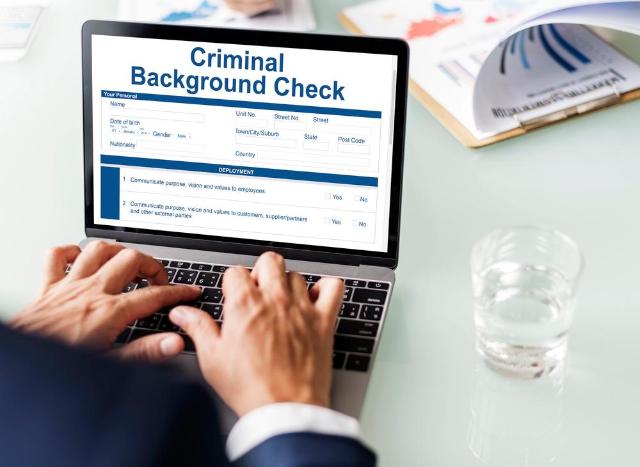
Image Source: depositphotos.com
Here's a sobering truth: your past keeps whispering, sometimes shouting, into your future. Right now, nearly 97 million people carry a criminal history in the FBI's Interstate Identification Index. Think about that. One in three American adults. That's someone wrestling with doors slammed shut on jobs, decent housing, and basic human opportunities.
When you're staring down these roadblocks, a criminal defense attorney isn't just helpful; they're your lifeline to taking back control. Whether it's stopping a conviction before it sticks or wiping clean old mistakes, skilled lawyers bring weapons to this fight that you just can't access alone.
But first? You need to understand exactly what beast you're facing, and why this matters more than you probably think.
Understanding Criminal Records and Their Long-Term Impact
Criminal records aren't sitting in some dusty basement folder. They're living, breathing obstacles actively reshaping your world. And their complexity? That's where professional help stops being optional.
How Cleveland's Legal Landscape Affects Your Record
Cuyahoga County courts meet Ohio's and Cleveland operates at a unique crossroads, and constantly shifting expungement laws. The city's procedures? They're different from neighboring counties in ways that matter enormously. Filing requirements, judicial quirks, preferred documentation, these aren't details you'll find on Google. Recent changes to Ohio Revised Code sections opened fresh pathways for sealing records, but accessing them requires someone who speaks the language.
Local expertise isn't just nice to have. A Cleveland Criminal Defense Lawyer who spends their days in Cuyahoga County courtrooms knows things: which prosecutors fight expungement petitions hardest, which judges demand extra evidence, and how to actually move your case through impossibly crowded dockets. They've built connections that matter. Watson Kuhlman, LLC works throughout Northeast Ohio, tackling criminal and employment law challenges, bringing serious courtroom experience to every record clearance fight. Their bilingual services mean Spanish-speaking clients get the same comprehensive strategies, no compromises.
Hidden Consequences of Having a Criminal Record in 2024
Sure, most employers run background checks; you knew that. Many applications flat-out ask about criminal history, and employment rates stay consistently lower for people with records. But that's honestly just the opening act.
Landlords reject your rental application for arrests that never even became charges. Professional licensing boards? They'll deny qualified candidates over ancient misdemeanors. Drug-related offenses kill college financial aid eligibility. If you're not a citizen, your immigration status hangs by a thread over minor records. The damage spreads everywhere, voting rights, custody battles, relationships, compounding for decades like toxic interest.
Types of Criminal Records That Follow You
Not every record hits the same, but they all hurt. Arrest records pop up on background checks even when prosecutors dropped everything. Conviction records separate felonies from misdemeanors, though both wreck opportunities.
Juvenile records supposedly seal automatically. Except they don't, particularly when adult charges enter the picture. Federal records? Those persist completely separately from state cleanups, creating a multi-headed monster requiring coordinated attacks across different databases.
Now that you see how severe and far-reaching these consequences really are, let's talk about how an experienced criminal defense attorney steps in to protect your future before these walls become permanent.
The Strategic Role Attorneys Play in Managing Your Record
Prevention beats cleanup. Every single time. Smart legal representation starts way before you're thinking about expungement.
Early Intervention: Building a Clean Record From the Start
Pre-trial negotiations can land dismissals that never stain your permanent record. Diversion programs exist as alternatives to conviction, if you know about them and actually qualify. Expungement lawyers understand which plea deals minimize future complications. They'll battle for deferred adjudication or first-offender programs, keeping your record pristine from the jump. This forward-thinking saves you literal years of struggle later.
Documentation and Case File Management
Grabbing complete court records sounds straightforward until you're buried under requests spanning multiple jurisdictions. Attorneys know how to spot errors in arrest reports or case dispositions, creating clearance roadblocks. They systematically gather supporting documentation, character references, employment records, and certificates proving you completed treatment programs. This organized ammunition becomes the difference between petitions that succeed and ones that die quietly.
Prevention's ideal, obviously. But what about when you already have a record blocking your opportunities? Here's how attorneys actually clear criminal records and restore your rights.
How to Clear a Criminal Record: The Attorney-Guided Process
Understanding how to clear a criminal record means accepting that cookie-cutter solutions don't exist. Each case demands customization.
Initial Eligibility Assessment
An attorney for criminal records begins by determining if you even qualify for expungement or sealing under your specific state's laws. They'll analyze mandatory waiting periods, which vary wildly by offense type, and confirm you've completed all sentence requirements. Pending charges or probation violations disqualify you immediately. Only careful analysis catches these obstacles before you burn time and filing fees.
Record Clearance Options Your Attorney Will Evaluate
After confirming eligibility, they evaluate which powerful clearance options offer your best shot. Expungement completely destroys records in certain states. Sealing criminal records restricts access without deletion. Set-aside orders dismiss convictions while leaving records visible. Certificates of rehabilitation formally acknowledge your reform. Pardons, state and federal both, offer last-resort relief when nothing else fits. Reducing felonies to misdemeanors opens doors that stay locked to felons. Your lawyer weighs these strategically based on your situation.
The Petition Filing Process and Court Representation
After selecting an optimal strategy, your attorney begins meticulous work building a compelling case courts can't ignore. They draft legal petitions addressing statutory requirements while telling your rehabilitation story. Supporting declarations from employers, community leaders, and family demonstrate your changed circumstances. When prosecutors object, and they frequently do, experienced counsel counters with precedent cases and mitigating evidence. Perfect petitions still often require skilled courtroom advocacy to actually win.
The clearance process isn't one-size-fits-all. Different offense types need specialized approaches that experienced attorneys tailor for maximum success.
Specialized Strategies for Sealing Criminal Records by Case Type
Drug offense clearances often leverage treatment program completion or first-time offender provisions. DUI records face stricter limitations in most states, demanding creative alternative relief strategies. Domestic violence cases present unique challenges given victim impact considerations. Juvenile records theoretically seal automatically but frequently need attorney intervention to actually vanish from background checks. Federal convictions offer extremely limited expungement options, pardons, or First Step Act provisions become your only pathways.
These specialized strategies highlight why choosing an attorney with specific expertise in your case type can mean the difference between freedom and continued limitations.
Finding the Right Expungement Lawyer for Your Case
Not every attorney handles record clearance effectively. Look for genuine specialization in criminal record matters, not general practice dabbling. Ask directly about success rates with cases resembling yours. Discuss fee structures upfront, flat rates versus hourly billing make enormous differences. Avoid lawyers promising guaranteed outcomes or demanding full payment before consultation. Red flags include terrible communication and zero experience in your local court system.
Beyond traditional expungement methods, cutting-edge attorneys now use emerging legal reforms and innovative strategies to clear records previously considered permanent.
Your Path Forward: Taking Action Today
Criminal records carry weight-crushing opportunities for decades. But you're not powerless. The right legal partner transforms those barriers into manageable challenges with clear solutions. Expungement lawyers and attorneys for criminal records don't just file paperwork; they rebuild futures through strategic advocacy, considering every angle.
Whether preventing a conviction or clearing decades-old charges, professional guidance dramatically improves outcomes compared to going alone. Your record doesn't define your worth. And with skilled representation, it doesn't have to define your future either. Take the first step by consulting an experienced attorney who'll assess your specific situation and map a realistic path to the fresh start you genuinely deserve.
Common Questions About Clearing Your Criminal Record
-
Can I handle expungement myself without an attorney?
You can file pro se, but success rates plummet compared to attorney-represented cases. Complex procedural requirements, prosecutor objections, and evidentiary standards make DIY genuinely risky. Most people find that the cost-benefit analysis favors hiring experienced counsel who know local judges and opposing attorneys.
-
How long does the entire expungement process take with an attorney?
Typical timelines range from three to nine months, depending on your state and case complexity. Court backlogs, prosecutor response times, and hearing schedules affect duration. Attorneys can sometimes expedite through local connections, though some jurisdictions offer zero fast-track options regardless of representation.
-
Will employers still find my sealed criminal record in background checks?
Legally, sealed records shouldn't appear in standard background checks. However, private databases lag in updating, and law enforcement positions maintain access. Attorneys help ensure all agencies receive proper notification and address lingering issues through follow-up motions.
Armed with comprehensive knowledge, you're ready to take concrete action toward clearing your record and reclaiming your future.