
Navigating the Digital Maze: The Role of IP Proxies in Modern Online Life
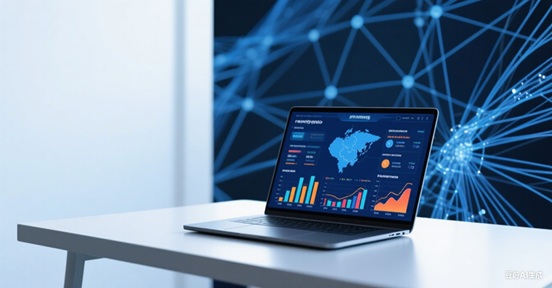
In an era where digital privacy feels increasingly fragile and online boundaries grow blurrier, the tools that help users control their internet experience have gained new significance. Among these tools, IP proxies stand out as versatile instruments that strike a balance between accessibility, privacy, and functionality, although their reputation often suffers from association with misuse.
At its simplest, an IP proxy acts as a middleman between your device and the websites you visit. When you click a link or load a page, your request first goes through the proxy server, which then communicates with the target site using its IP address. This process masks your original location and identity, creating a buffer that can shield personal data from advertisers tracking your browsing habits or malicious actors seeking to exploit vulnerabilities.
The practical applications of IP proxies extend far beyond mere privacy. For businesses, they enable global market research by allowing teams to access region-specific content and analyze local trends without the need for physical travel. Content creators and streaming enthusiasts utilize them to bypass geographical restrictions, thereby unlocking access to movies, music, and news platforms that would otherwise be unavailable in their region. Even everyday users benefit from proxies when accessing public Wi-Fi, as the added layer of security reduces the risk of data theft.
Of course, not all proxies are created equal. The reliability, speed, and anonymity they offer depend heavily on their type and source. Residential proxies, which use IP addresses assigned to real households by internet service providers, are prized for their authenticity and ability to avoid detection. Datacenter proxies, while faster, are more likely to be flagged by strict security systems. Choosing the right proxy often comes down to matching its capabilities with your specific needs—whether that’s seamless streaming, secure data scraping, or uninterrupted access to global content.
For those seeking a trustworthy solution, platforms that curate high-quality proxies have become invaluable resources. Services like proxyshare specialize in connecting users with reliable proxy options tailored to different use cases, ensuring that both individuals and businesses can find tools that align with their goals while adhering to ethical standards.
Misuse of proxies—such as for hacking, fraud, or copyright infringement—has understandably raised concerns, leading to stricter regulations in many regions. However, it’s important to distinguish between legitimate and illegal use. Just as a VPN isn’t inherently harmful because some misuse it, proxies serve essential functions in maintaining online freedom and security when used responsibly.
As with any digital tool, education is key. Understanding how proxies work, choosing reputable providers, and adhering to legal guidelines ensures that you can leverage their benefits without falling into ethical or legal pitfalls. In a world where our online and offline lives are increasingly intertwined, tools that put control back in users’ hands deserve recognition, not dismissal.
IP proxies, when used wisely, are more than just technical loopholes; they are enablers of a more open, secure, and accessible internet. By bridging gaps between regions, protecting personal data, and supporting legitimate business needs, they play a vital role in shaping the digital landscape we navigate daily.