
Key Considerations for Designing Efficient Commercial Spaces
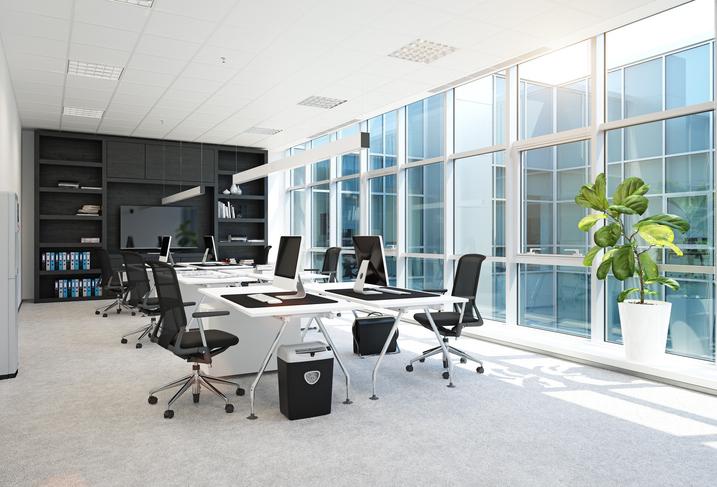
Running a business today means your workspace has to do more than look good. It has to help your team do their best work every day. And with office vacancy rates hitting 12.8% in late 2024, one thing is clear: companies have options. If a space doesn’t support focus, comfort, and teamwork, people will feel it — and your bottom line will too. So what actually makes a workspace work? What turns a basic floor plan into a place where real people can think, create, and get things done? This guide breaks it down in simple, practical terms.
The Foundation—Getting Your Space Planning Right
Everything starts here. Before you think about paint colors or fancy furniture, efficient commercial space planning demands that you get honest about the numbers. What do you genuinely need? Not what looks impressive. What works?
Don't sit in your office assuming you know what each department requires. Go talk to them. Conduct real interviews. Watch how workflows move through your space. Your IT folks need completely different things than your customer service team, and commercial interior design considerations need to reflect those realities.
Think three to five years out, not just next quarter's goals. Where does collaboration happen? Where do people need silence to concentrate? Map it out.
Designing Spaces That Boost What People Actually Do
Austin's business landscape offers a perfect example of why this matters. You've got bleeding-edge tech startups sharing the market with established companies that have been around for decades. Downtown towers, converted East Austin warehouses—the variety is remarkable. This creates intense demand for spaces that evolve as fast as the businesses inside them.
When you're ready to turn concepts into reality, working with seasoned austin commercial construction pros who know the ins and outs of local regulations, permitting headaches, and site-specific quirks makes all the difference. They've dealt with Central Texas challenges before and won't be learning on your dime.
Different Work Needs Different Settings
Optimizing commercial workspace means recognizing that people do various things during their day. Deep focus requires quiet rooms. Team projects need collaboration zones. Informal conversations happen in social spaces. Each one matters.
Some companies swear by hot-desking. Others need assigned seats. Consider booking systems where employees reserve the type of space their day demands.
Remembering That Humans Actually Use These Spaces
Check out this stat: when you focus on detailed human factors, your odds of successful workplace transformation jump above 70%. That's not fluffy consultant-speak—that's measurable impact on your operations. Use real anthropometric data when picking furniture so workstations fit actual human bodies.
Sit-stand desks have moved from "nice to have" to standard. Monitor height helps prevent neck strain, and quality ergonomic chairs reduce afternoon fatigue. ADA compliance is essential, and guidance from experts such as https://adaaccessconsultants.com/ can help ensure spaces are designed to meet accessibility standards while supporting comfort and usability for everyone—not just the minimum legal requirements.
Technology Infrastructure That Won't Embarrass You Next Year
Designing productive office environments demands digital infrastructure that lasts. Your building's tech foundation determines whether everything else runs smoothly or becomes a daily headache.
Building a Digital Backbone That Can Handle Tomorrow
WiFi 6E isn't overkill anymore—it's baseline. Calculate how many power and data ports you think you need, then double that number. Seriously. Under-floor distribution keeps cables manageable and makes future changes possible without demolition.
5G readiness? IoT devices everywhere? That's not science fiction—it's this year. Build infrastructure that adapts instead of requiring complete replacement when something new emerges.
Making Collaboration Tech Actually Collaborative
Hybrid work is permanent, so every meeting space needs a solid video conferencing setup. Interactive displays beat traditional whiteboards for brainstorming. Acoustic treatment stops the echo that makes Zoom calls exhausting by 2 PM.
Wireless presentation systems eliminate the "does anyone have the right cable?" dance. Small conveniences like this compound into serious productivity improvements across your whole team.
Building In Room to Grow and Change
Nobody's crystal ball works well enough to predict exactly where your business lands five years from now. Smart commercial space design embraces change without pretending to know the future.
Modular Approaches That Move With You
Movable walls and demountable partitions let you reshape layouts as circumstances shift. Teams grow. Teams shrink. Things change. Modular furniture adapts instead of becoming an expensive anchor weighing you down. Design power, data, and lighting infrastructure that flexes without requiring contractors and construction dust.
Multi-purpose spaces earn their rent. That training room? It's also your town hall venue. And overflow workspace when projects get intense. One space, multiple functions.
Planning for Scale Without Overcommitting
Phase your build-outs to match actual growth and budget reality. Identify expansion zones where you can add workstations without disrupting current operations. Pick furniture systems that expand incrementally rather than demanding wholesale replacement.
Lease flexibility matters when choosing spaces. Having options beats being trapped in something that stopped fitting your business model six months ago.
Common Questions About Commercial Space Design
- What's the average cost per square foot for commercial space design?
Design fees usually hit 10-15% of construction costs. Construction itself? That varies wildly based on your market and finish choices. Office spaces generally run $150-$300 per square foot, though premium finishes push those numbers higher. Always pad your budget for surprises.
- How do I calculate ROI on space design investments?
Track productivity through employee surveys. Monitor energy cost savings on your utility bills. Watch retention rates. Measure space utilization efficiency. Notice recruitment advantages. Most well-executed spaces show positive ROI within 18-24 months just from reduced operational costs, before counting any productivity gains.
- What are the biggest mistakes in commercial space design?
Underestimating tech infrastructure needs tops the list every time. Right behind that? Inadequate acoustic planning and ignoring future flexibility. Terrible lighting and skipping employee input during planning both create problems that cost serious money to fix later. Don't cut corners on needs assessment, thinking you'll save time upfront.
Final Thoughts on Commercial Space Design
Spaces that genuinely work require balancing good looks with cold, practical functionality. The right approach to efficient commercial space planning weighs human factors, technology requirements, and future adaptability as equally important. Your workspace directly influences productivity, retention, and operational costs—this goes way beyond professional appearances. Begin with a thorough needs assessment. Invest in quality infrastructure. Design flexibility into every single decision. The businesses that thrive aren't necessarily occupying the flashiest spaces. They're in the smartest ones, designed with intention and a genuine understanding of how people actually work day after day.