
How Trusted Partners Reduce Enterprise Risk
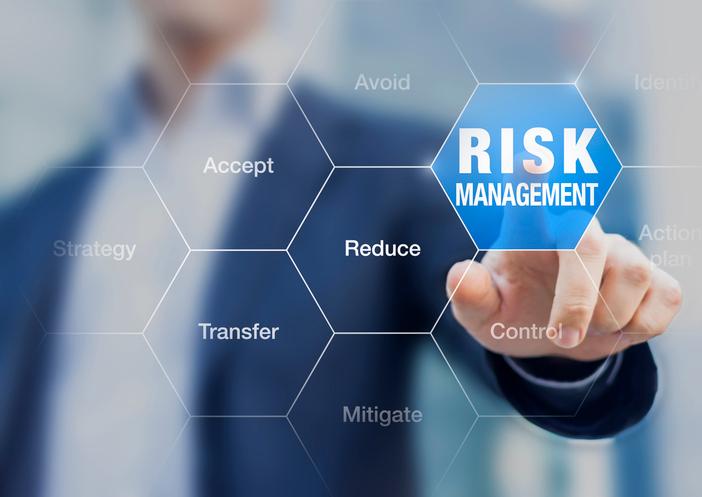
Modern enterprises rely on complex ecosystems of cloud providers, software vendors, advisors, and managed service partners. These relationships drive efficiency and help companies move faster, yet they also create exposure. Every integration, shared workflow, or outsourced process introduces a possible weak point. Leaders who want to reduce enterprise risk need partner ecosystems that function as stabilizers rather than additional sources of uncertainty. The goal is to build a network of partners that strengthens resilience and supports long term stability instead of increasing operational fragility.
Why Today’s Partner Ecosystems Increase Risk
Enterprise systems sit on top of external platforms for data processing, identity management, infrastructure hosting, CRM operations, and automation. These dependencies save time and reduce internal workload, yet they also mean a single partner weakness can disrupt business operations. Recent figures show that a significant portion of security incidents start through external access points. Costs often rise because multiple companies coordinate responses, investigations, and communication.
A different reality also exists. Organizations that invest in strategic partner development see smoother outcomes. They achieve faster onboarding, stable operations, and stronger performance during unexpected events. These results are not accidental. They emerge when companies approach partner relationships as structured collaborations rather than simple transactional arrangements. Trusted partners help reduce enterprise risk through open communication, shared preparation, and consistent governance.
How Trusted Partners Actively Reduce Enterprise Risk
Clear Transparency Makes Risk Visible Earlier
Trusted partners communicate openly about their technical posture, security controls, data pathways, and emerging concerns. They disclose issues early, explain root causes, and share the changes they plan to make. This honest flow of information allows leaders to allocate resources appropriately, update controls, and avoid surprises. A transparent partner like Future Processing demonstrates how early communication supports remediation planning and reduces blind spots. Their willingness to share architectural details and operational plans helps companies reduce enterprise risk before problems escalate.
Joint Assessment Strengthens Accuracy
Risk assessment works best when it combines knowledge from both sides. Trusted partners participate in shared workshops that review workloads, attack surfaces, regulatory exposure, and data flows. These sessions allow teams to map threats more accurately and define the right level of monitoring. Assessments shift from static questionnaires to continuous conversations that support real decisions. Many of the best cloud consulting companies use this model to identify gaps across infrastructure, integration points, and long running programs.
Governance Structures Create Predictable Outcomes
Strong partnership programs rely on clear governance. Contracts describe minimum control levels, reporting expectations, investigation pathways, and resolution steps. Both sides follow the same rules and understand how to escalate situations that require attention. Predictable governance allows operations teams to act quickly and resolve issues with less confusion. This type of structure appears frequently among the top salesforce partners in Poland, where firms like Think Beyond build ongoing governance layers into CRM programs. Their models help reduce enterprise risk because both sides understand how to address system integrity, user access, and compliance obligations.
Coordinated Incident Response Reduces Disruption
Response time determines the scale of impact during an incident. Trusted partners prepare together before any issue occurs. They define roles, contacts, and procedures for rapid communication. Both sides understand how to share evidence, how to document events, and how to complete recovery steps. This coordination limits downtime and speeds investigation. A mature response partnership often reduces the duration of an incident because no one wastes time searching for the right person or the right information.
Continuous Improvement Maintains Readiness
Threats evolve constantly. Trusted partners treat improvement as an ongoing routine. They review performance each quarter, update controls, refine processes, and revise documentation. They modernize tooling, complete training, and adjust configurations after new vulnerabilities emerge. This rhythm allows organizations to reduce enterprise risk steadily over time. Small adjustments accumulate and produce stronger operational resilience.
Structural Foundations For Trusted Partner Programs
Centralized Oversight Reduces Fragmentation
A single structure that unites procurement, legal, risk, technology, and operations encourages consistent decision making. A centralized view prevents duplication, closes gaps, and creates a unified partner record. This approach eliminates situations where departments work with vendors independently and unintentionally expose sensitive data. Clear ownership also supports faster escalation and more reliable accountability.
Continuous Monitoring Improves Awareness
Annual assessments rarely capture real partner behavior. Continuous monitoring platforms offer real time insight into posture changes, exposure shifts, credential issues, and vulnerability signals. These tools detect anomalies that static documents cannot reveal. Early visibility supports better preparation and allows leaders to take action before problems affect operations. Continuous monitoring also highlights indirect exposure through fourth party relationships, helping teams reduce enterprise risk across entire dependency networks.
Risk-Based Segmentation Focuses Energy
Strong programs classify partners into tiers based on their access level, system criticality, and regulatory exposure. Critical partners receive more frequent assessments, deeper monitoring, and structured governance. Moderate partners follow lighter routines, while low risk partners require basic verification. This segmentation prevents resource waste and ensures that the most sensitive relationships receive the highest level of attention.
Careful Selection Creates Long-Term Stability
Partner selection shapes overall program quality. Strong selection criteria include transparency, communication quality, security maturity, financial stability, architectural competence, and operational discipline. Many companies evaluate consulting firms recognized among the best cloud consulting companies because they follow rigorous engineering practices. Organizations working with CRM and data heavy ecosystems often evaluate the top salesforce partners in Poland for similar reasons, since these providers usually deliver structured models that help reduce enterprise risk through reliable governance and process control.
Metrics Demonstrate Program Value
Clear measurement validates progress. Common indicators include:
- detection speed
- disruption duration
- onboarding time
- compliance stability
- posture improvement across quarters
- operational savings from automation
- reduction in partner related incidents
These metrics allow leaders to demonstrate the value of trusted partner programs and refine processes that matter most.
Removing Barriers To Strong Partner Governance
Companies often face internal obstacles such as competing priorities, limited resources, inconsistent department practices, or outdated evaluation tools. Successful programs address these barriers through a few practical steps.
- A strong business case quantifies cost avoidance, operational stability, and efficiency gains
- Automation removes manual work and supports faster evaluation
- Pilot programs allow small controlled rollouts before full scale adoption
- Training ensures that teams understand processes and expectations
These actions create a manageable path forward without overwhelming internal teams.
Conclusion
Trusted partners help reduce enterprise risk through transparency, shared assessment, coordinated response, and ongoing improvement. Their influence strengthens technical integrity, increases operational stability, and reduces the chance of unexpected disruptions. Companies that approach partner relationships with structure and intention gain stronger oversight, tighter security, and better performance across the entire ecosystem. Trusted partnerships create a more predictable foundation for growth and allow leaders to move forward with confidence.
Frequently Asked Questions
How does a trusted partner differ from a regular vendor?
A trusted partner collaborates on planning, assessment, and response. They communicate consistently, share architectural decisions, and help maintain control maturity. A regular vendor delivers services without the same level of visibility or shared responsibility.
What reduces risk the most when partnering with external providers?
Clear governance, transparent communication, continuous monitoring, and shared assessment practices reduce risk most effectively. These habits create predictable cooperation and lower exposure during unexpected events.
Do trusted partner programs help small companies?
Small companies benefit from a scaled version. Most focus on a few critical partners and use lightweight monitoring tools. This approach reduces effort and increases stability without large investment.
How do cloud and CRM partners influence enterprise risk?
Cloud and CRM partners influence risk through their system controls, change routines, data pathways, and incident readiness. Companies working with the best cloud consulting companies or the top salesforce partners often gain stronger control discipline and more reliable operations.
How can leaders verify that partner programs work?
Leaders track detection speed, incident frequency, onboarding time, response quality, and compliance outcomes. Clear improvement across these measures confirms that partner relationships strengthen risk posture.