
How Modern Access Control Is Changing the Way We Secure Buildings
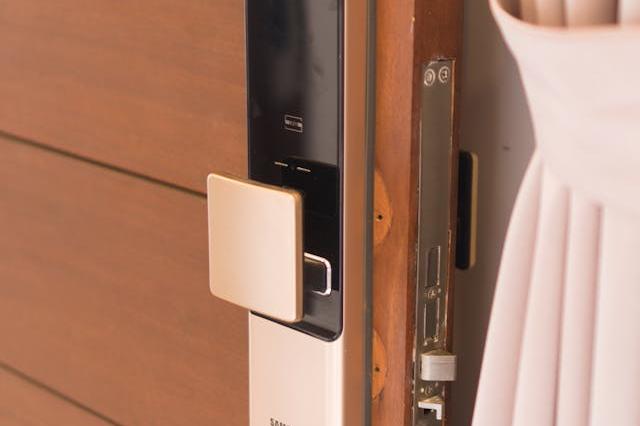
The way we manage who gets into a building has changed significantly over the past decade. Traditional lock-and-key systems are giving way to smarter, more flexible solutions that offer greater control and visibility. Understanding how these systems work can help organisations make better decisions about their security infrastructure.
The Basics of Access Control and Why It Matters
At its core, access control is about deciding who can go where and when. Whether it is a hospital, a school, or a corporate office, managing entry points is essential for protecting people, assets, and sensitive information. Outdated systems often rely on physical keys that can be copied, lost, or stolen without any way to track or respond quickly.
Modern systems move beyond these limitations by using digital credentials, smart cards, or mobile-based access. This means organisations can grant or revoke access instantly, set time-based restrictions, and monitor activity in real time. For security managers, this level of control is a significant step forward from manual key management.
One of the key advantages is scalability. A small office might only need a handful of access points today, but if that business grows, a digital system can expand without requiring a complete overhaul. The same applies in reverse, making it easier to downsize or restructure access permissions without physical intervention.
What to Look for in a Smart Locking System
Not all digital access solutions are equal. When evaluating options, it helps to consider a few important factors that go beyond the initial cost of installation.
- Ease of administration: Can permissions be updated remotely or does someone need to be on site?
- Audit trail capabilities: Does the system log who accessed which door and at what time?
- Battery or cable dependency: Wireless systems offer more flexibility but require reliable power management.
- Integration: Can the system connect with existing security infrastructure such as alarms or CCTV?
One area that has seen notable innovation is the elimination of traditional wiring. Some solutions now operate without cables or external power sources at the lock itself, which reduces both installation costs and long-term maintenance. Learning more about Access control developments can help facilities managers understand which technology fits their specific environment.
Companies like ILOQ have built their approach around digital locking systems that use the energy from the locking action itself, removing the need for batteries or wiring entirely. This kind of thinking reflects a broader shift in the industry towards sustainability alongside security.
As buildings become smarter and security requirements grow more complex, access control will continue to be a critical area of investment. Choosing the right system now means fewer disruptions, lower costs, and stronger protection in the years ahead.