
Fixed vs Portable H2S Detectors: Which One Do You Need?
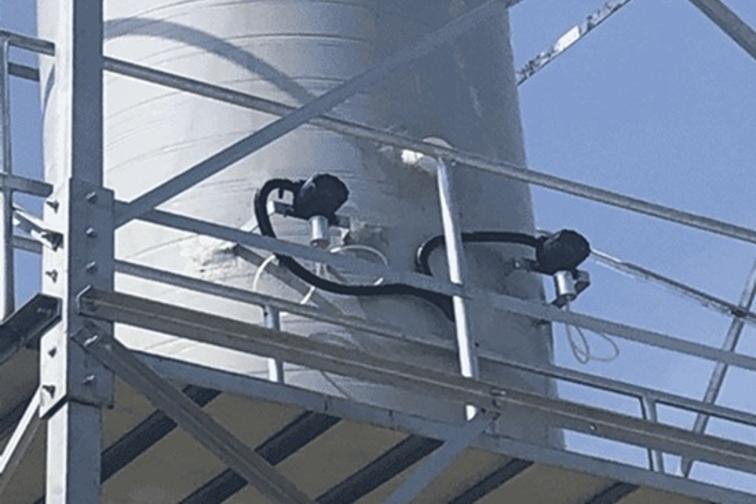
Hydrogen sulfide (H₂S) is not only toxic—it is unpredictable. In many industrial environments, the real danger is not the presence of the gas itself, but how quickly it can accumulate and how easily it can go unnoticed. This is why choosing the right type of H₂S detector is not a matter of convenience or budget alone, but a decision that directly affects response time and overall safety.
Most discussions around fixed versus portable H₂S detectors focus on features and costs. In practice, the more important question is what kind of risk you are trying to control. Fixed and portable detectors do not replace each other; they address different failure points in gas detection.
Fixed vs Portable Detectors – What’s the Difference
Before comparing specifications or prices, it is essential to clarify whether the risk is tied to a location or to a person.
Fixed H₂S detectors are designed to protect areas. They monitor specific zones continuously, regardless of whether anyone is present. Their purpose is to identify gas accumulation early, trigger alarms, and enable immediate action such as evacuation, ventilation, or system shutdown.
Portable H₂S detectors, on the other hand, protect individuals. They move with the worker and provide localized detection around the wearer. Their effectiveness depends entirely on proper use—being worn, powered on, and within the hazardous zone at the right moment.
Once this distinction is understood, many selection mistakes become easier to avoid.
Coverage: Can Gas Be Detected Without Human Presence?
Fixed detectors are designed for continuous, area-wide monitoring that does not depend on human presence. Once installed and calibrated, they operate around the clock, including during off-hours or in unattended spaces.
Portable hydrogen sulfide detectors provide personal monitoring within a limited radius and only when actively worn.
The critical difference is not whether both can detect gas, but whether detection is guaranteed when no one is nearby.
|
Aspect |
Fixed H₂S Detectors |
Portable H₂S Detectors |
|
Monitoring scope |
Area-based, continuous |
Personal, localized |
|
Dependency |
Independent of human presence |
Fully dependent on user |
|
Coverage gaps |
Low when properly installed |
High in unattended areas |
|
Failure risk |
Sensor or system failure |
Human behavior failure |
Reliability Over Time: Technology vs Human Dependence
Installing a fixed H₂S detector requires planning. Sensor placement, wiring, power supply, and alarm integration must be considered carefully. Ongoing maintenance and periodic calibration are also necessary to ensure long-term reliability. While this increases upfront effort and cost, it also creates a permanent layer of protection that does not depend on daily human behavior.
Portable gas detectors are easier to deploy and require minimal setup. They are well suited for mobile workers, inspections, and short-term tasks. However, their reliability is directly tied to user discipline. A portable detector that is forgotten, improperly worn, or powered off offers no protection at all.
From a safety management perspective, this difference matters. Fixed detectors reduce behavioral dependency, while portable detectors increase it.
Response and Escalation: Who Gets Warned, and How Fast?
In high-risk environments, response time determines outcomes. Fixed detectors typically activate loud audible alarms, visual indicators, and sometimes automated safety systems. These alerts are designed to warn everyone in the affected area simultaneously.
Portable detectors usually alert only the individual wearer through sound, vibration, or visual signals. While this can save lives in personal exposure scenarios, it does not provide broader situational awareness. If a gas release affects multiple zones or occurs when only one worker is present, relying solely on portable alerts can delay response for others.
The limitation here is not detection accuracy, but who receives the warning and how quickly action can scale.
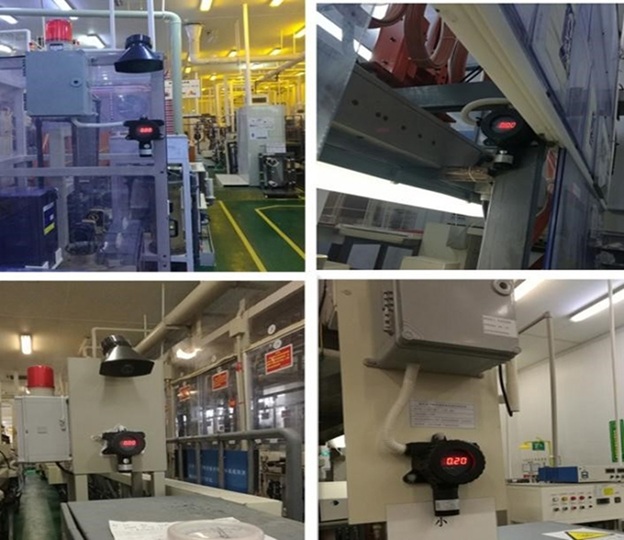
Area-installed alarms warn everyone in the affected zone, not just a single worker.
Cost Considerations Beyond the Purchase Price
Fixed H₂S detectors involve higher initial investment and ongoing maintenance costs. These costs often discourage smaller organizations from considering them. However, cost comparisons that stop at purchase price overlook the financial impact of delayed detection, operational shutdowns, and safety incidents.
Portable detectors are more affordable and easier to replace. They are cost-effective for personal monitoring and temporary work. The risk arises when they are used as substitutes for area protection rather than as supplements.
In safety planning, lower upfront cost does not necessarily mean lower total risk exposure.
When Fixed H2S Detectors Are Not Optional
In certain environments, the choice between fixed and portable H₂S detection is not flexible. Fixed hydrogen sulfide detectors are effectively mandatory when gas release can occur continuously or without warning, particularly in settings such as chemical processing plants, refineries, compressor stations, and wastewater treatment facilities.
In practice, this applies to situations where:
- H₂S may be released independently of work schedules, including during nights, shutdowns, or unattended periods
- Gas accumulation can occur in fixed locations, regardless of whether personnel are present
- Safety, insurance, or regulatory expectations require continuous, 24/7 monitoring
In these conditions, relying solely on portable detectors introduces a structural weakness. If detection depends on someone being present, aware, and able to respond, then early gas accumulation can go unnoticed—precisely when timely detection matters most.
When Portable Detectors Alone Are Insufficient
Portable detectors are often chosen for their convenience, but there are clear scenarios where they fail as primary protection. Rarely visited areas, confined spaces with delayed entry, and environments requiring immediate system-wide alerts all expose the limitations of personal detection.
Relying only on portable detectors in such situations introduces a delay between gas release and response. That delay is often the factor that turns a manageable incident into a serious event.
Common Misconceptions about Fixed and Portable H2S Detectors
One of the most frequent mistakes in H₂S safety planning is choosing portable detectors to reduce costs in environments that actually require fixed monitoring. This decision usually assumes that gas exposure will coincide with human presence.
In reality, gas leaks do not follow work schedules. Early accumulation often occurs unnoticed, and alarms that reach only one individual may not protect others in the vicinity. What appears to be a cost-saving choice often shifts risk rather than reducing it.
Making the Decision: Fixed, Portable, or Both
The most practical way to choose between fixed and portable H₂S detectors is to consider how detection could fail, not just how it works under ideal conditions.
In general, the decision follows a clear pattern:
- If the risk is tied to a fixed location, where gas can accumulate regardless of who is present, fixed detection is required.
- If exposure follows worker movement, such as inspections or temporary tasks, portable detection is required.
- If the environment is high-risk or unpredictable, where either scenario can occur, a combination of both is necessary.
This layered approach reduces dependence on any single detection or response mechanism. Fixed detectors serve as the primary safety layer by monitoring defined areas continuously, while portable detectors act as personal safeguards for individuals entering or moving through those areas. By separating responsibilities in this way, facilities reduce the chance that a single failure—whether technical or human—will go unnoticed.
Wrapping Up – Which one is good?
A well-designed H₂S detection strategy does not rely on assumptions about behavior or timing. It accounts for how gas actually accumulates, how quickly it must be detected, and how alerts need to propagate in real conditions.
The most reliable decisions are those that focus on risk ownership and response capability, rather than convenience or initial cost. When detection gaps remain after choosing a single solution, the answer is not to compromise—but to recognize that layered protection is often the only defensible choice.