
Economic and Technological Factors Behind Dedicated and Virtual Server Costs
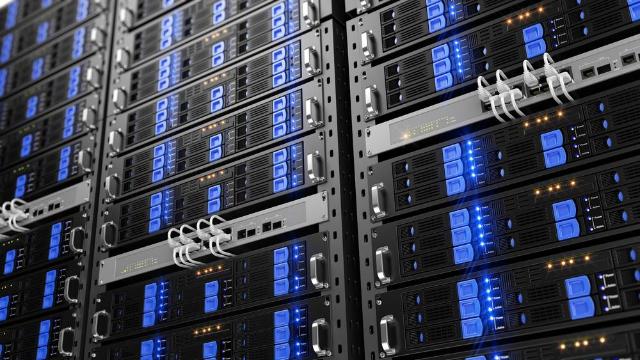
Image Source: depositphotos.com
Why Server Prices Are Rising...
In recent years, businesses, developers, and digital service providers have increasingly noticed a steady rise in the cost of renting dedicated and virtual servers. While at first glance such changes may appear to be simple pricing adjustments by hosting companies, a deeper analysis reveals a complex interaction of global supply chains, semiconductor manufacturing constraints, rising demand for computing resources, and the increasing cost of key hardware components such as memory modules, processors, and high-performance storage devices. Understanding why server prices are rising requires examining both the technological and economic factors shaping the modern data center ecosystem.
“Modern digital infrastructure depends heavily on physical hardware, and the cost of that hardware directly affects the price of server rentals.”
The Growing Demand for Computing Infrastructure
One of the primary drivers of rising server prices is the explosive growth in global demand for computing resources. Cloud services, artificial intelligence, data analytics, streaming platforms, and large-scale web applications require increasingly powerful infrastructure. As organizations migrate their services online, the demand for both dedicated servers and virtual private servers (VPS) continues to grow.
Dedicated servers provide exclusive access to physical hardware resources, making them ideal for high-performance applications such as financial platforms, large databases, and high-traffic websites. Virtual servers, on the other hand, allow providers to partition a powerful physical server into multiple isolated environments, enabling efficient resource distribution. However, both models ultimately rely on the same underlying hardware components, and when those components become more expensive, hosting costs inevitably rise.
📌The cost of renting servers is strongly correlated with the price of core hardware components such as RAM modules, enterprise SSD storage, and multi-core processors used in data center environments.
Rising Costs of Memory and Semiconductor Components
Among all server components, memory modules have experienced particularly noticeable price increases. Modern servers rely heavily on high-capacity RAM in order to support virtualization, large datasets, and high concurrency workloads. Data center-grade memory such as ECC (Error-Correcting Code) RAM is significantly more expensive than consumer-grade modules due to its reliability requirements and strict manufacturing standards.
Several global factors contribute to rising memory prices. Semiconductor fabrication facilities require enormous investments, often exceeding tens of billions of dollars, and production capacity is limited. Additionally, geopolitical tensions, supply chain disruptions, and increased demand from industries such as artificial intelligence and mobile computing further strain global semiconductor production.
“Memory prices influence the entire server ecosystem — when RAM becomes more expensive, both virtual and dedicated server costs increase.”
Storage Technology and the Price of Performance
Another important factor affecting server pricing is the evolution of storage technology. Traditional hard disk drives are gradually being replaced by high-performance solid-state drives. While SSDs offer dramatically improved performance, faster access times, and greater reliability, they are significantly more expensive, particularly when enterprise-grade models are required.
Modern hosting infrastructures increasingly deploy NVMe SSD storage, which provides extremely high data transfer speeds. This technology is essential for modern web applications, databases, and real-time services. However, the cost of these drives is still relatively high, especially when deployed at scale in large data centers.
✅Providers who invest in faster storage technologies often deliver significantly better performance for virtual servers, but the hardware investment required inevitably affects rental pricing.
Processors and High-Performance Computing Requirements
Central processing units are another major cost factor in modern servers. Enterprise processors designed for data centers contain dozens of cores and advanced virtualization capabilities. These processors are designed to support massive workloads and ensure high reliability under continuous operation.
As software becomes more complex and resource-intensive, hosting providers must deploy increasingly powerful CPUs to maintain competitive performance levels. The price of such processors continues to grow due to the complexity of semiconductor manufacturing and the growing demand from cloud computing companies and large technology corporations.
“Server performance improvements require constant hardware upgrades, which inevitably increase infrastructure costs.”
Infrastructure and Data Center Operating Costs
Hardware components are not the only factor influencing server prices. Data centers require massive investments in power infrastructure, cooling systems, physical security, and network connectivity. Electricity costs have increased in many regions, and maintaining optimal temperatures for thousands of servers requires advanced cooling technologies.
Additionally, network infrastructure must support high bandwidth and low latency connections. Data centers often deploy redundant networking equipment and multiple upstream providers to guarantee reliability. All these operational costs contribute to the final price customers pay for server rentals.
| Server Component | Approximate Price Growth (2023–2025) | Main Reason |
|---|---|---|
| ECC RAM | 20–35% | Semiconductor shortages |
| Enterprise SSD | 15–30% | High demand for NVMe storage |
| Server CPUs | 10–25% | Increased complexity and demand |
| Networking Equipment | 10–18% | Bandwidth and infrastructure upgrades |
“Data centers are the backbone of the digital economy.”
Impact on Dedicated and Virtual Server Rental Prices
The combined effect of rising hardware costs and growing infrastructure investments directly impacts the price of renting servers. Dedicated servers, which provide exclusive access to physical hardware, are particularly affected because providers must recover the full cost of each machine. When memory, processors, or storage components become more expensive, the price of dedicated server rental naturally increases.
Virtual servers also experience price adjustments, although the effect may be less immediate. Since virtualization allows providers to distribute hardware costs across multiple customers, VPS pricing may remain relatively stable for longer periods. However, when hardware costs rise significantly, even virtual server pricing eventually increases.
“Reliable infrastructure requires constant investment in modern hardware.”
💡Organizations planning long-term digital projects should consider infrastructure trends when choosing hosting solutions. Selecting scalable server configurations can help reduce future costs as demand grows.
Future Outlook for Server Infrastructure
Despite rising prices, demand for server infrastructure continues to grow. Digital transformation across industries ensures that businesses increasingly rely on remote computing resources. While technological innovation may gradually reduce production costs in the long term, the short-term outlook suggests continued pressure on hardware prices due to increasing global demand.
As a result, companies that rely on dedicated and virtual servers - https://deltahost.com/ should view infrastructure costs as a strategic investment rather than a simple operational expense. Reliable server environments enable scalable growth, secure data processing, and stable online services, all of which are essential components of the modern digital economy.