
Digital Transformation in Manufacturing: Complete Implementation Guide
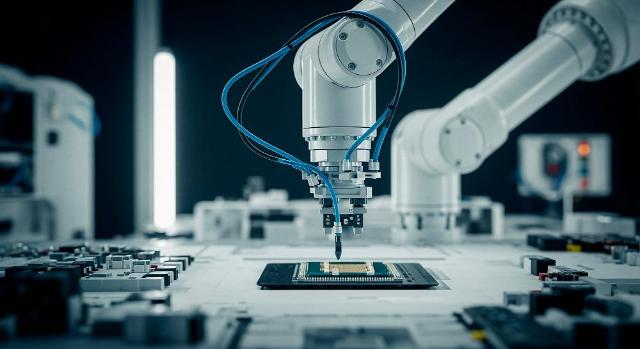
Designed by Freepik
Key Takeaways:
The integration of software, data, and machines is the key driving factor of digital transformation in the manufacturing industry. By leveraging technology such as:
- ERP
- IoT
- AI
Manufacturers can improve productivity, reduce costs, and enhance decision-making. Scalable by design, these systems also support long-term growth and innovation.
Digital transformation in manufacturing goes well beyond the development of a website or the implementation of a software. It involves the integration of several digital technologies that control the production, operation, and other core processes of a business. It reimagines how factories operate, share data, and make key decisions that affect the entire organization.
- What digital transformation means in manufacturing
As far as the manufacturing sector is concerned, digital transformation efforts focus on connecting machines, systems, and teams via data-driven platforms. This enables the automation of various manufacturing processes, allowing supervisors to monitor machine performance in real-time. The end result is improved coordination across the shop floor and among teams.
- Why digital transformation is accelerating in the manufacturing industry
Lately, more and more manufacturers are turning to technology to overhaul their processes. The reason behind this growing shift is to achieve peak efficiency fueled by factors such as a rise in global competition, increasing customer demands, and supply chain disruptions. Companies that modernize their operations are better equipped to respond faster, reduce costs, and maintain output quality.
- Key technologies driving smart manufacturing
Technologies such as industrial IoT, cloud computing, artificial intelligence, and manufacturing automation are leading the change in this sector, pushing it toward Industry 4.0.
Benefits of Digital Transformation for Manufacturers
Digital transformation in manufacturing is a revolution in its own right, bringing forth measurable improvements across all its sectors:
- Improved operational efficiency and productivity
The combined effect of automation and integrated systems results in reduced manual work, thereby streamlining the entire production process, top to bottom. It is also instrumental in preventing delays and improving output consistency.
- Real-time data and better decision-making
Access to real-time production data makes it easier for manufacturers to make smart decisions fast. It also results in the quick resolution of bottlenecks, helping managers adjust workflows and respond to any issues that arise instantly.
- Reduced operational costs and downtime
With data analytics powering predictive maintenance, manufacturers can prevent equipment failure by catching them early. This not only reduces downtime but it also lowers repair costs while extending the lifespan of the machinery used.
- Better supply chain visibility
Offering end-to-end visibility across supply chains, integrated digital systems simplify a host of inventory related activities. Manufacturers can use them to track stock levels, monitor supplier performance, and anticipate disruptions, thus protecting their bottomline.
- Improved product quality and customer satisfaction
Automation and data tracking ensure the maintenance of consistent quality standards. They also reduce production times and improve process accuracy, thus resulting in the delivery of products that customers love.
Core Technologies Behind Digital Transformation in Manufacturing
For manufacturers looking to overhaul their day-to-day operations, choosing the right technology stack is critical. Your digital transformation strategy should be inclusive of:
- Industrial IoT and connected machines
Industrial IoT connects every equipment on the shop floor including machines, sensors and devices, enabling the collection of real-time data from each of them. This level of integration supports the optimization of manufacturing processes at scale.
- Cloud computing and data centralization
Cloud platforms serve two major purposes – first, they centralize data from multiple systems; and second, they make that data accessible from anywhere. The establishment of a single and accessible source of truth improves inter-departmental collaboration and decision-making.
- Artificial intelligence and predictive analytics
Manufacturers can use AI to analyze vast amounts of data and extract valuable information from them, which can then be used to predict outcomes and trends with greater accuracy. This is a great tool to improve demand forecasting, predictive maintenance, and process optimization on the shop floor.
- ERP systems for business process integration
Integrating ERP software should be a critical part of the digital transformation strategy for any manufacturing business. It can centralize core business functions such as finance, procurement, inventory, and reporting. Moreover, it supports the seamless flow of collected data across departments, thus enabling strategic decision-making.
- Manufacturing execution and shop floor systems
MES or Manufacturing Execution Systems are necessary to bridge the gap that exists between shop floor operations and other tools manufacturing businesses rely on. By tracking production activities and monitoring performance, they ensure that manufacturing processes align with overall business objectives.
Cybersecurity Risks in Digital Manufacturing
As manufacturing processes and data shift to cloud-based platforms, cybersecurity is a real concern that simply cannot be ignored. Here is what manufacturers need to be mindful of:
- Risks of connected machines and IoT devices
Relying on connected devices to conduct manufacturing processes can increase the risk of cyber attacks – especially if the tools and devices used already possess vulnerabilities that can be used as soft targets.
- Protecting manufacturing data from cyber threats
Examples of sensitive data for manufacturing plants include production plans and intellectual property. These need to be protected at all costs via foolproof encryption methods and strict safe data practices.
- Securing cloud-based manufacturing systems
Manufacturers that include cloud-based platforms in their digital transformation strategy must ensure that these systems are configured with strong security controls. There should be access restrictions in place, and the tool should be constantly monitored for threats or vulnerabilities.
- Access control and user permissions
Role-based access control prevents unauthorized access and misuse of sensitive systems and data. So manufacturers who do not want their information falling into the wrong hands must diligently abide by this rule.
- Backup, disaster recovery, and business continuity
Having a disaster recovery plan and regularly backing up data can help manufacturers swiftly restore normal operations during times of emergencies such as data breach or system failures.
Manufacturing Cybersecurity Checklist
Here’s a quick checklist to help manufacturers verify the security and robustness of their digital framework:
- Secure cloud-based platforms with encryption keys
- Implement system-wide role based access controls
- Encrypt all sensitive data including IPs, financials etc.
- Regularly update and patch software to protect it against vulnerabilities
- Backup production and ERP data to prevent system-wide failures
- Train key employees in cybersecurity practices
- Monitor network and machine connectivity to quickly detect and quash anomalies
Step-by-Step Digital Transformation Roadmap for Manufacturing Companies
Nothing guarantees success as having a predefined digital transformation roadmap. Manufacturers should incorporate the following steps into their strategies:
Step 1: Assess current processes and identify gaps
An in-depth analysis of existing workflows and systems can reveal inefficiencies such as manual process and bottlenecks, which the new system can fix.
Step 2: Define transformation goals and KPIs
Setting crystal clear objectives such as reducing downtime, improving efficiency or increasing production capacity ensures the digital transformation initiative aligns with key business goals. Manufacturers must also define measurable KPIs to track progress.
Step 3: Digitize data and move to cloud systems
Converting paper-based records and documents into digital formats is an essential part of any digitization strategy. Once converted, this data should be moved to a cloud-based platform to make it universally accessible within the company.
Step 4: Implement ERP and manufacturing software
Deploying relevant software solutions for manufacturing businesses such as ERP can dramatically improve efficiency across processes and teams.
Step 5: Integrate machines, systems, and data
Seamless communication between machines, software, and teams improves collaboration and speeds up production cycles.
Step 6: Train employees and build a digital-first culture
Manage employee resistance and improve adoption rates by providing teams with dedicated training programs that educate them about the usage and benefits of the new system. Encouraging a culture that embraces innovation supports the long-term growth of manufacturing companies.
Step 7: Monitor, optimize, and scale
Regular monitoring of the new digital framework can help manufacturers identify areas of improvement and build a scalable program that enables long-term growth.
Digital Transformation Readiness Checklist
Verify your manufacturing business’ digital transformation readiness with this quick checklist:
- Audit existing software, workflows, and processes
- Identify production and operational bottlenecks
- Evaluate current data collection methods and their practicality
- Assess software integration requirements
- Define clear and achievable ROI
- Plan and execute a workable change management strategy
- Set a realistic implementation timeline
Challenges in Digital Transformation and Their Fixes
Though largely beneficial and a necessity in the current manufacturing landscape, digital transformation is not without its set of challenges:
- High initial investment costs
Since it is a ground-up change that requires the simultaneous implementation of multiple new technologies, the initial investment is quite high. However, the long-term efficiency gains and savings these systems bring outweigh its initial costs.
- Integration with legacy systems
The compatibility gap between older systems and modern technologies can be difficult to bridge. However, frequent upgrades and middleware solutions can help.
- Resistance to change from the workforce
Employees who are used to doing things a certain way might resist switching to new technologies out of fear. Training and transparent communication can ease this transition for them.
- Cybersecurity risks and data protection challenges
The close interconnectedness of modern systems might streamline processes but it also increases security risks. Implementing strong security practices is critical to combat them.
- Lack of digital strategy and leadership
Transformation efforts are likely to fail without clear leadership and strategy. That’s why CTOs and leadership teams must have a clear vision and should be actively involved in its implementation.
Steps to Overcome Digital Transformation Challenges
Following the steps given below is one of the most effective ways to overcome digital transformation challenges:
- Put the initiative into action with high-impact processes
- Opt for phased implementation of tools and devices
- Select scalable software to support future growth
- Train employees on the correct use of the new system
- Collaborate with experienced technology partners only
Real-World Examples of Digital Transformation in Manufacturing
The realities of a digital transformation initiative will help manufacturers understand how it can deliver measurable impact:
- Example #1: Smart factory implementation
Integrating IoT sensors and cloud systems can help manufacturers create a smart factory that enables automated adjustments and real-time monitoring of its activities on the fly.
- Example #2: Production planning automation
Digital tools can automate several critical production functions such as scheduling and resource utilization to reduce delays and improve efficiency.
- Example #3: Supply chain digitization
From tracking inventory and shipments to improving visibility and reducing disruptions, implementation of digital supply chain systems effects real change.
- Example #4: Predictive maintenance implementation
With the help of AI-powered analytics, companies can predict equipment failure before it occurs, thereby lowering maintenance costs and downtime.
Most real-world digital transformation projects in the manufacturing sector require the implementation of custom manufacturing software as well. This tool helps in digitizing shop floor operations, automating production schedules, tracking work in progress, and connecting machines with business systems. It covers all bases and supports the actual digitization of production processes.
Future Trends in Digital Manufacturing Transformation
The future of digital transformation in the manufacturing sector looks promising. Emerging tech that might guide its evolution include:
- Industry 4.0 and smart factories
Smart factories can contribute to the creation of highly efficient production environments that merge sophisticated software with advanced automation and robotics.
- AI-driven production planning
AI is all set to play a larger and more significant role in the optimisation of resource allocation and production schedules.
- Digital twins in manufacturing
Digital twins enable the creation of identical virtual models of actual physical systems. This allows manufacturers to simulate production runs so they can optimize their processes more efficiently.
- Fully integrated manufacturing ecosystems
Future systems will be capable of connecting every single aspect of manufacturing, including the smallest aspects such as machine uptime logs to critical ones such as suppliers and customers, into a unified ecosystem.
Conclusion: How Manufacturers Can Start Their Digital Transformation Journey
As far as the manufacturing industry is concerned, digital transformation is no longer an option. It is a necessity to stay competitive in the market. That said, a smart strategy focuses on the integration of various useful technologies so together they can lead to the creation of a sustainable and scalable system that supports long-term growth and innovation. Starting small and prioritizing high-impact processes is a good place to begin as it minimizes risks and maximizes returns. In the end, all it takes is the right approach to achieve operational excellence and drive innovation.
FAQs — Digital Transformation in Manufacturing
What is digital transformation in manufacturing?
It is a detailed process that involves the integration and implementation of various technologies to improve the efficiency and productivity of manufacturing operations.
How does digital transformation benefit manufacturing?
The major advantages of digital transformation in manufacturing include improved process efficiency, cost reductions, real-time insights, consistent product quality and increased competitiveness.
What technologies are used in digital manufacturing?
Technologies that frequently used to modernize manufacturing include IoT, cloud computing, ERP systems, and manufacturing software.
What is the typical implementation timeline of digital transformation in manufacturing?
It can be a long journey to full integration. However, phased implementation can make the process seem faster and smoother.
How does ERP factor in digital transformation?
ERP systems centralize all manufacturing data, thereby improving cross-departmental collaboration and smart decision-making.