
Digital Nomads in 2026: The Tools That Make Location-Independent Work Possible
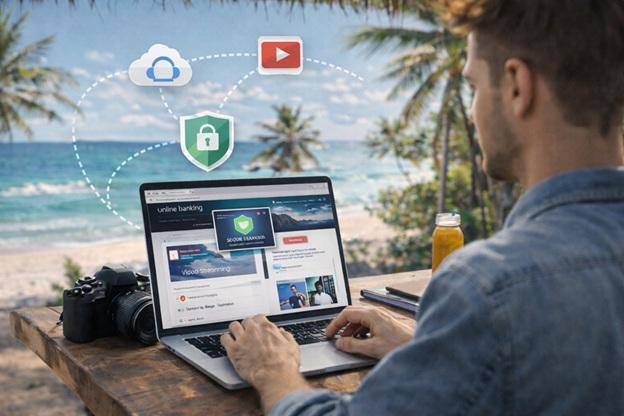
Five years ago, working from a beach in Bali or a café in Lisbon sounded like a fantasy reserved for influencers and trust fund kids. Now? It's Tuesday for millions of people around the world. The digital nomad movement has gone from niche lifestyle to legitimate career path, and the infrastructure supporting it has evolved dramatically. What once required exceptional circumstances now just requires the right preparation.
But here's what the Instagram posts don't show you: making this lifestyle actually work requires more than a laptop and decent Wi-Fi. There's a whole toolkit that experienced nomads rely on—and most of it has nothing to do with productivity apps or noise-canceling headphones. The difference between struggling nomads and thriving ones often comes down to how well they've prepared for the challenges that aren't obvious until you're living them.
The romanticized version of remote work—answering emails from a hammock while sipping coconut water—exists, but it's maybe five percent of the experience. The other ninety-five percent is problem-solving: finding reliable internet, maintaining security on unfamiliar networks, accessing services that don't work the same way abroad, and staying productive when your environment changes constantly.
The Connectivity Problem Nobody Talks About
When your office is wherever you happen to be, you're constantly dealing with unfamiliar networks. Coworking spaces, Airbnbs, hotel lobbies, random cafés—each one comes with its own internet situation. Sometimes the connection is great. Sometimes it's barely functional. And sometimes, it's actively dangerous in ways you can't see until it's too late.
Experienced remote workers learned this lesson early: public and semi-public networks are security nightmares. That friendly coffee shop Wi-Fi? Anyone on the same network with basic hacking knowledge could potentially intercept your data. The coworking space might have a hundred other users on the same network, any of whom could be running tools that capture login credentials. For people handling client work, accessing company systems, or just doing online banking, that's a serious problem that can't be ignored.
The technical term is "man-in-the-middle attack," and it's surprisingly easy to execute on open or poorly secured networks. Someone positions themselves between you and the internet, capturing everything that passes through. Passwords, emails, financial information—all of it can be harvested without you ever knowing something is wrong. By the time you notice unauthorized transactions or compromised accounts, the damage is done.
Security as a Non-Negotiable
Talk to any seasoned digital nomad and they'll tell you: a privacy tool isn't optional equipment. It's as essential as your charger. Before connecting to any new network, the first thing they do is fire up protection. iPhone and iPad users typically keep a VPN downloaded from the App Store ready to go—one tap and their connection is encrypted, their real location masked, their data secured.
This isn't paranoia. It's professional hygiene. When you're logging into client dashboards, sending invoices with banking details, or accessing sensitive documents, you can't afford to take chances. One compromised connection could mean stolen credentials, leaked client data, or worse. The freelancers and remote employees who've been doing this for years treat security tools like seatbelts—you just don't go without them, no matter how short the trip.
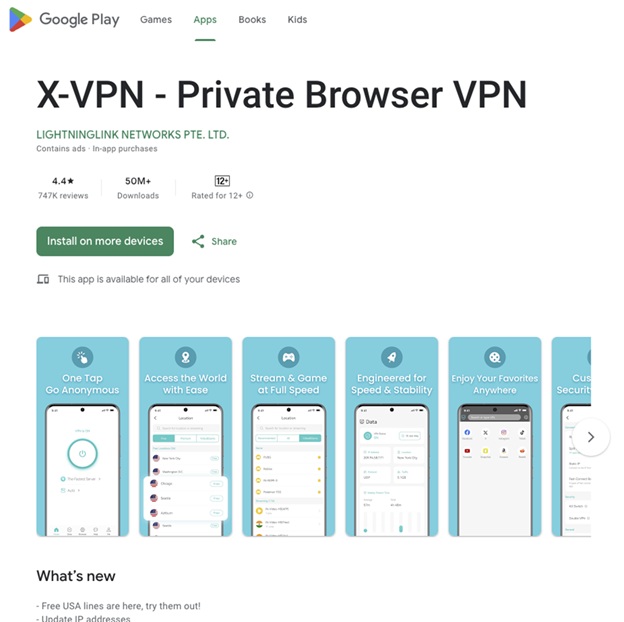
Android users have the same options readily available. A free VPN (such as X-VPN) from the Google Play Store provides identical protection. The apps have become remarkably user-friendly—gone are the days when you needed technical knowledge to configure secure connections. Now it's genuinely as simple as download, open, and tap connect.
Beyond Security: The Access Issue
There's another reason these tools have become standard issue for location-independent workers: access. Depending on where you are in the world, certain websites and services might be blocked or restricted. Some countries filter internet content heavily. Others throttle specific types of traffic. Even something as simple as accessing your home country's banking site can become complicated when you're connecting from abroad.
Privacy apps solve this by letting you appear as if you're connecting from somewhere else. Need to access a US-only service while you're in Southeast Asia? Connect through an American server. Your Thai coworking space's network will only see encrypted traffic going to a server—what you're actually doing stays completely private. This isn't about circumventing rules; it's about maintaining access to services you legitimately use.
Streaming services, for instance, often have different libraries in different countries due to licensing agreements. News sites might be blocked in certain regions. Communication tools like messaging apps face restrictions in some places. For people who need consistent access to the same tools regardless of physical location, appearing to connect from a stable home base solves a lot of frustration.
The Modern Nomad Checklist
If you're considering the digital nomad life—or just planning an extended trip where you'll need to work—here's what veterans recommend having sorted before you leave. These aren't suggestions; they're lessons learned from experience, often the hard way.
Reliable privacy protection. This is non-negotiable. Get it set up and tested before you're desperately trying to configure things over a spotty hostel connection. Make sure it works on all your devices—laptop, phone, tablet. Test it connects quickly and doesn't significantly slow your connection. Have it ready to activate the moment you connect to any new network.
A backup internet solution. Whether it's a local SIM card, portable hotspot, or international data plan, always have a plan B for when the café Wi-Fi inevitably fails during an important call. Some nomads carry multiple SIMs from different carriers. Others invest in satellite-based backup solutions. The specifics depend on where you're traveling, but the principle is universal: never rely on a single connection.
Cloud-based everything. If your laptop gets stolen or breaks, you need to be able to continue working from any device. Nothing critical should exist only on local storage. Use cloud storage for files, web-based tools for critical applications, and ensure all your passwords are accessible through a secure password manager.
Time zone management tools. When your clients are in New York, your team is in London, and you're in Tokyo, keeping track of who's awake when becomes an actual skill. World clock apps, scheduling tools that show multiple time zones, and calendar software that automatically converts meeting times become essential. Mistakes here can mean missed calls and frustrated colleagues.
The Reality Check
Working while traveling isn't always the glamorous experience social media makes it out to be. There are frustrating days when nothing works right, when the time zone math leaves you exhausted, when you just want a stable desk and reliable internet. The novelty of working from exotic locations wears off faster than you'd expect, replaced by the practical challenges of actually getting work done.
But for people who've figured out the logistics, the freedom is real and meaningful. Being able to spend a month in one city, then move to another, all while maintaining your career—that flexibility has genuine value. The key is approaching it as a serious undertaking that requires preparation, not a vacation with occasional email checking.
The tools that make it possible have gotten remarkably good and remarkably simple. What used to require technical knowledge and expensive solutions is now available to anyone willing to spend a few minutes setting things up. In 2026, the barrier to entry for location-independent work isn't technical anymore—it's just about being prepared and taking security seriously.
So if you're thinking about taking your work on the road, start with the fundamentals. Get your security sorted, test your tools, and have backup plans for your backup plans. Talk to people who've been doing it and learn from their mistakes. The freedom to work from anywhere is real—but only if you've done the groundwork to make it sustainable. The Instagram version of nomad life is possible, but it's built on a foundation of boring preparation that nobody posts about.