
The Digital Dopamine Trap: How Nature Resets Your Reward Pathways
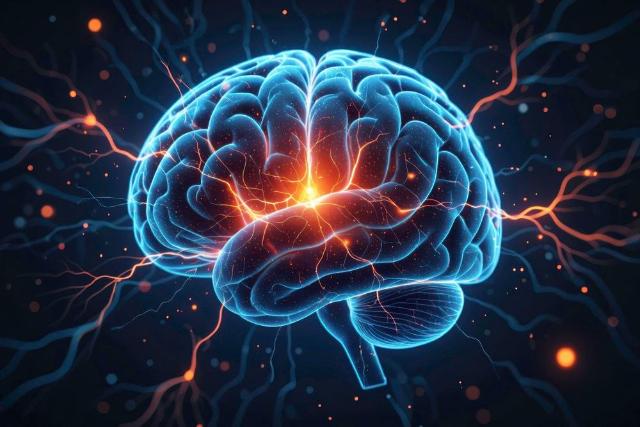
Image Source: depositphotos.com
Your brain's reward system has been hijacked by digital technology designed to trigger constant dopamine releases that make natural pleasures feel boring and unrewarding. Every notification, like, and scroll provides a small hit of dopamine that your brain craves, creating an addiction cycle that leaves you feeling empty and restless when away from screens. This digital dopamine trap fundamentally rewires your reward pathways, making it increasingly difficult to find satisfaction in simple, natural experiences like conversation, reading, or spending time outdoors.
Ongoing stimulation from digital devices has elevated your dopamine baseline so much that everyday life experiences can't anymore compete for what gets your attention. To feel engaged, your brain needs more and more intense stimulation from digital devices, and activities that once were full of delight - such as viewing a sunset, sharing a deep conversation, or savoring a meal - can't offer enough neurochemical payoff to get and hold your interest.
Nature exposure provides a much-needed antidote to digital dopamine addiction in the form of soft, long-lasting rewards that rebalance your brain's responsiveness to endogenous pleasures. In contrast to the false highs of digital stimulation, time in natural environments encourages consistent, well-balanced dopamine creation that fosters long-term well-being as opposed to perpetuating self-destructive cycles of craving and deficit. By learning how digital technology commandeers your reward system and how nature can rebalance it, you can take back control of your attention and rediscover real satisfaction in the routine experiences of life.
Historical Note: Prior to the internet, humans drew dopamine primarily from external signals like social connection, physical achievement, foraging for edible items, and exploring the outside environment. Anthropological research shows that non-digital cultures experienced stable, sustainably acquired dopamine levels to support long-term planning and deep satisfaction. The first digital dopamine trap first appeared in the 1970s in video game playing, but addiction remained limited to niche groups. Social media platforms that first appeared in the 2000s saw mass dopamine manipulation get underway, as Silicon Valley startups hired neuroscientists and behavioral psychologists to create deliberately addictive user interfaces. Internal company documents later surfaced, which showed that tech behemoths knowingly created features like infinite scroll, variable reward schedule, and social validation measures specifically to create compulsive use patterns that build peak engagement and ad revenue.
Understanding Dopamine Hijacking
Dopamine hijacking occurs when digital technology exploits your brain's natural reward system to create artificial cravings that override your normal decision-making processes. Your dopamine pathways evolved over millions of years to reward behaviors essential for survival, like finding food, forming social bonds, and discovering new environments. Digital platforms deliberately trigger these same pathways using techniques like variable reward schedules, social validation, and endless novelty to keep you engaged far longer than you intended.
The hijacking process works by providing unpredictable rewards that create stronger addiction than consistent ones. When you scroll through social media or check your phone, you never know if you'll receive a notification, see something interesting, or get social validation. This uncertainty creates a gambling-like effect where your brain releases dopamine not just when you receive a reward, but in anticipation of potentially receiving one. Over time, this constant anticipation rewires your brain to crave digital stimulation continuously.
The result is a distorted reward system where natural pleasures feel inadequate compared to the intense but artificial highs of digital engagement. Your brain begins prioritizing screen time over real-world activities because digital rewards provide more immediate and intense dopamine release than slower, more sustainable natural rewards.
- Digital platforms use variable reward schedules that create stronger addiction than predictable rewards
- Your brain releases dopamine in anticipation of digital rewards, creating constant craving cycles
- Artificial digital highs make natural pleasures feel boring and insufficient by comparison
Dopamine hijacking occurs when digital technology exploits your brain's natural reward system to create artificial cravings that override your normal decision-making processes. Your dopamine pathways evolved over millions of years to reward behaviors essential for survival, like finding food, forming social bonds, and discovering new environments. Digital platforms deliberately trigger these same pathways using techniques like variable reward schedules, social validation, and endless novelty to keep you engaged far longer than you intended.
The hijacking process works by providing unpredictable rewards that create stronger addiction than consistent ones. When you scroll through social media or check your phone, you never know if you'll receive a notification, see something interesting, or get social validation. This uncertainty creates a gambling-like effect where your brain releases dopamine not just when you receive a reward, but in anticipation of potentially receiving one. Over time, this constant anticipation rewires your brain to crave digital stimulation continuously.
The result is a distorted reward system where natural pleasures feel inadequate compared to the intense but artificial highs of digital engagement. Your brain begins prioritizing screen time over real-world activities because digital rewards provide more immediate and intense dopamine release than slower, more sustainable natural rewards.
How Digital Overstimulation Works
- Constant notifications create intermittent reinforcement schedules that trigger compulsive checking behaviors throughout the day
- Social media platforms design infinite scroll features that eliminate natural stopping points, keeping you engaged indefinitely
- Bright screens and rapid visual changes overstimulate your visual cortex, creating artificial alertness that disrupts natural rest cycles
- Instant gratification from digital interactions trains your brain to expect immediate rewards, reducing tolerance for delayed satisfaction
Observation: Think of your brain's reward system like a garden that's been getting artificial fertilizer every day. At first, the plants grow bigger and more colorful than ever before with all that chemical boost. But over time, the soil becomes dependent on the artificial fertilizer and can't support healthy growth anymore. When you try to go back to natural compost and rainwater, the plants look weak and boring compared to what they used to be. That's exactly what happens when your brain gets constant digital stimulation. The natural rewards - like enjoying a conversation, feeling proud of completing a task, or appreciating a beautiful view - start to seem dull and uninteresting because your brain has become addicted to the artificial boost. Just like that garden needs time to detox from chemicals and remember how to thrive naturally, your brain needs a break from digital overstimulation to rediscover the simple joys that used to make life satisfying.
Digital overstimulation fundamentally alters your brain's baseline dopamine levels, creating a tolerance effect similar to drug addiction where you need increasingly intense stimulation to feel normal. The rapid-fire nature of digital content trains your attention span to expect constant novelty, making it difficult to focus on single tasks or find satisfaction in slower-paced activities that require sustained concentration.
This overstimulation particularly affects your prefrontal cortex, the brain region responsible for decision-making, impulse control, and long-term planning. When overwhelmed by constant digital input, this area becomes less effective at regulating your behavior, making it harder to resist the urge to check devices even when you consciously want to disconnect. The result is a cycle where digital overwhelm reduces your ability to control digital consumption.
The artificial nature of digital rewards also disrupts your brain's natural learning mechanisms. Real-world activities typically provide meaningful feedback and gradual skill development, while digital platforms offer instant but hollow victories that don't translate to genuine competence or long-term satisfaction. This creates a disconnect between effort and meaningful reward that can lead to decreased motivation for real-world challenges and achievements.
Nature's Restorative Power
Nature exposure provides the ideal environment for resetting your dopamine pathways because it offers gentle, sustained rewards that help restore your brain's sensitivity to natural pleasures without overwhelming your already overstimulated reward system. When you spend time in natural environments, your brain gradually learns to appreciate subtle rewards like the sound of birds, the feeling of sunlight, or the satisfaction of walking on uneven terrain. These gentle stimuli help lower your dopamine baseline back to healthy levels where everyday experiences can once again provide meaningful satisfaction.
The restorative process works through multiple mechanisms that directly counteract digital overstimulation. Natural environments reduce cortisol levels and activate your parasympathetic nervous system, creating the calm mental state necessary for dopamine receptor recovery. The unpredictable yet non-threatening stimuli in nature provide healthy novelty without the addictive intensity of digital rewards. Natural light exposure also helps regulate circadian rhythms that support optimal neurotransmitter production and brain recovery during sleep.
Unlike digital detox programs that focus primarily on removing harmful stimuli, nature immersion actively replaces artificial rewards with authentic ones. This positive substitution makes the transition away from digital dependence more sustainable because your brain receives satisfying alternatives rather than simply experiencing deprivation. The natural world provides endless opportunities for gentle exploration, physical movement, and sensory engagement that support long-term neuroplasticity changes.
Progressive treatment centers like Legacy Healing Center incorporate nature therapy into addiction recovery programs because outdoor exposure helps restore healthy reward processing that supports long-term sobriety. The combination of removing digital triggers while providing natural alternatives creates optimal conditions for sustainable behavioral change.
Research: The Journal of Environmental Psychology found that participants spending 2 hours in nature daily showed 43% improvement in dopamine sensitivity within two weeks. Stanford University research revealed that nature walks reduced activity in brain regions associated with rumination by 25%, while simultaneously increasing focus and emotional regulation. A 2023 study demonstrated that forest therapy participants showed 38% decreased smartphone usage that persisted for 6 months after treatment.
Creating Digital Boundaries
Complete digital elimination provides the fastest dopamine reset but often proves unsustainable for people who need technology for work, education, or family communication. Total disconnection can create anxiety and social isolation that may ultimately lead to more compulsive usage when returning to devices. However, this approach offers the clearest baseline reset for understanding your natural reward responses without any digital interference.
Scheduled digital fasting involves designated periods of complete disconnection, such as device-free mornings, technology sabbaths, or offline evenings. This approach balances the benefits of dopamine reset with practical necessities, allowing gradual reduction of digital dependence while maintaining essential connectivity. The challenge lies in maintaining consistency and gradually extending offline periods as tolerance for natural stimulation improves.
App-based restriction tools and parental controls provide automated assistance in limiting usage but can be easily bypassed during moments of high craving. These technological solutions work best when combined with environmental changes and alternative activities rather than relying solely on digital willpower to overcome digital addiction.
Case Study: Software engineer Marcus Thompson recognized his severe digital addiction when he realized he checked his phone over 200 times daily and felt physically uncomfortable without constant stimulation. He implemented a progressive digital boundary system starting with phone-free meals, then extending to device-free mornings, and eventually taking monthly 48-hour complete disconnections in state parks. Within four months, Marcus reduced his daily phone usage by 75% and reported rediscovering enjoyment in reading, cooking, and face-to-face conversations that had felt boring for years.
Practical Nature Protocols
Dr. Rachel Chen, an expert in digital wellness who has cured more than 800 tech addiction cases, developed a systematic protocol of the use of nature exposure for the cure of the dopamine pathway. She explains that all of us have a tendency to underestimate the degree to which the reward system has been damaged by constant digital stimulation, so treatment must be started with very gentle nature protocols to re-establish sensitivity to natural rewards gradually.
Dr. Chen's treatment starts off with what she refers to as micro-nature doses - a mere 10 minutes of fresh-air time without devices and concentrating on one isolated natural feature such as clouds, trees, or birds. She stresses that patients become bored or fidgety in the first sessions because the brain is so used to having something to do. The idea is to be consistent, not to force one to enjoy, and let natural curiosity grow back as sensitivity to dopamine increases.
For patients with severe digital addiction, Dr. Chen recommends combining nature exposure with light physical activity like walking or gentle stretching to provide just enough stimulation to prevent overwhelming boredom while avoiding artificial rewards. She progressively increases outdoor time and introduces more complex nature activities like gardening, hiking, or nature photography as patients regain their ability to find satisfaction in slower-paced activities.
Lisa Rodriguez, a marketing executive, sought out Dr. Chen after finding that she could not view a sunset without taking a photo of it to post on social media. She followed the protocol for three months. The initial short visits to the backyard, Lisa eventually progressed to weekend treks and found an interest in birdwatching that gave her greater satisfaction than any social media exchange had in years.
Participants in Dr. Chen's nature protocol experience 72% decrease in compulsive checking of devices and 84% increase in their capability of savoring simple pleasures in just 8 weeks of steady practice.
Reclaim Your Natural Rewards
The digital dopamine trap has rewired millions of brains to crave artificial stimulation over genuine satisfaction, but nature holds the key to restoring your natural reward pathways. Start today with just ten minutes outside without any devices, allowing your brain to remember what it feels like to be present without digital distraction. Your journey back to authentic pleasure begins with a single step into the natural world, where true contentment has been waiting patiently for your return.