
A Comprehensive Step-by-Step Guide for US Residents Moving Pets to the UAE
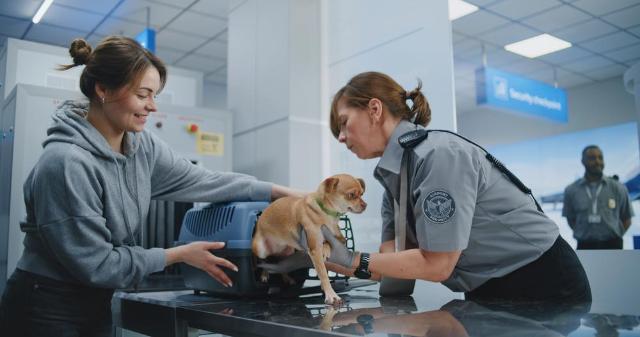
Image Source: depositphotos.com
Moving to a new country is a monumental task, and when your family includes furry, feathered, or scaled members, the complexity increases significantly. Transporting a pet from the United States to the United Arab Emirates is a process governed by strict regulations designed to protect the health of animals and humans alike. For US residents embarking on this journey, meticulous planning and attention to detail are paramount. This guide provides a detailed, step-by-step roadmap to ensure your pet's transition to the UAE is as smooth and stress-free as possible.
Understanding the UAE's Pet Import Policy
The UAE's pet import regulations are enforced by the Ministry of Climate Change and Environment (MOCCAE). The UAE is classified as a rabies-free country, which means their entry requirements are stringent. The rules can vary slightly depending on the specific emirate (Dubai, Abu Dhabi, etc.), so it is crucial to verify the latest requirements with the relevant municipal authority. Generally, the process is standardized for dogs and cats, which are the most commonly relocated pets.
Step-by-Step Guide for US Residents
Step 1: Begin Planning Early (6-8 Months Before Move)
The single most important factor is time. Do not underestimate the timelines involved. Starting 6 to 8 months in advance is not an exaggeration, especially for dogs, which have more complex requirements. Your first step should be to research and engage a professional pet relocation service. While it is possible to navigate the process yourself, an experienced agent can be invaluable in handling paperwork, navigating bureaucracy, and avoiding costly mistakes that could result in your pet being quarantined or denied entry.
Step 2: Microchipping and Vaccination History
Your pet must be microchipped with an ISO 11784/11785 compliant 15-digit pet microchip. If your pet has a different microchip, you will need to bring your own scanner. All vaccinations must be administered after the microchip is implanted. Gather your pet’s complete medical history, as this will be essential for the health certificate.
Step 3: Rabies Vaccination and Titer Test (FAVN-OIE Test)
This is the most time-consuming step. Your pet must have an up-to-date rabies vaccination. However, for the UAE, that is not enough.
-
After the primary rabies vaccination, you must wait a minimum of 30 days.
-
Then, a blood sample must be drawn by your USDA-accredited veterinarian and sent to an approved laboratory for the Rabies Neutralizing Antibody Titer Test (often called the FAVN-OIE test). The Kansas State University laboratory is a common choice.
-
The result must show a level of 0.5 IU/ml or higher. This result can take 4-8 weeks to process.
-
Importantly, you must wait at least three months from the date the blood sample was drawn before your pet can enter the UAE. This waiting period is mandatory. Failure to comply will result in refusal of entry.
Step 4: Other Required Vaccinations and Treatments
Within 14 days of travel, your pet must receive treatments for internal and external parasites. Ensure all standard vaccinations (DAPP for dogs, FVRCP for cats) are current. Your veterinarian will administer these and record them on the health certificate.
Step 5: Import Permit Application
You, or your relocation agent, must apply for an import permit from the UAE's MOCCAE. The application requires documents like the pet’s vaccination record, the microchip certificate, and the positive titer test report. This permit is typically valid for 30 days.
Step 6: The Veterinary Health Certificate (USDA Endorsement)
Within 10 days of travel, your veterinarian must complete an International Health Certificate for the UAE. This is a specific form that must be filled out exactly as required. This completed certificate, along with all supporting documents (rabies certificate, titer test report, vaccination history), must then be sent to your local USDA Animal and Plant Health Inspection Service (APHIS) office for official endorsement. This can be done via mail or in-person appointment. Do not book flights until this step is complete.
Step 7: Booking Pet-Friendly Travel
You have two main options: in-cabin (for very small pets), as checked baggage, or as air cargo. For a long-haul flight like US to UAE, most pets travel as manifested cargo, which is considered safer and more comfortable as it is temperature-controlled and handled by professionals. Only certain airlines offer this service. Direct flights are preferable to avoid complications during layovers. You will need an IATA-compliant travel kennel that allows your pet to stand, turn around, and lie down comfortably.
Step 8: Final Preparations and Arrival
Attach all required documents to the kennel, including the import permit and health certificate. Do not sedate your pet, as this can be dangerous at high altitudes. Upon arrival at the UAE airport (e.g., Dubai International - DXB or Abu Dhabi International - AUH), your pet will be taken to the airport quarantine facility. An official veterinarian will inspect your pet and all documents. If everything is in order, your pet will be released to you, usually within a few hours. There is no quarantine period for pets arriving with all correct documentation.
Conclusion
Transporting your pet from the US to the UAE is a marathon, not a sprint. It demands patience, organization, and a strict adherence to protocols. By following this step-by-step guide and partnering with knowledgeable professionals—your USDA-accredited vet and a reputable pet relocation company—you can ensure your beloved companion joins you safely in your new home in the United Arab Emirates, ready to start the next chapter of your lives together.