Companies grow through mergers and acquisitions. Marketing teams promote new products. New products spawn new web domains. As brand names, URLs, and cloud IT infrastructure proliferate, so do enterprises’ vulnerability to online attacks. At the same time, security professionals working with limited resources find it increasingly challenging to maintain oversight of their online assets.
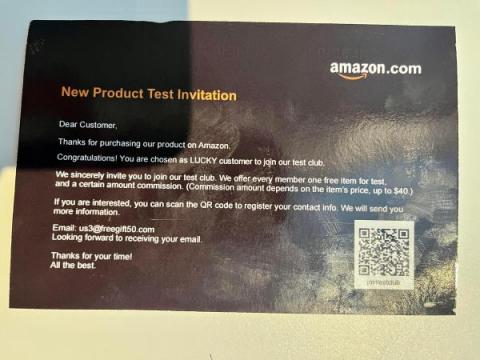
Online shopping has allowed buyers to find bargains and conveniently purchase from retailers all over the world. However, cybercriminals take advantage of the anonymity of online shopping to scam online buyers. If you get scammed while shopping online, you need to contact your credit card issuer, freeze your credit, change any compromised passwords, contact the online marketplace and report the scam to the FTC.
Read also: Four people arrested over ChatGPT-linked ransomware attacks, a scammer charged for stealing $7.5M from two charities, and more.
Anyone can get scammed. If you think you're somehow immune to being scammed, then, in my opinion, you're a prime target for being scammed. No one is too big, too clever, too security-savvy to avoid being duped because it's only human to make a mistake and screw up. And that certainly seems to be the case with Bill Lou.