Security | Threat Detection | Cyberattacks | DevSecOps | Compliance

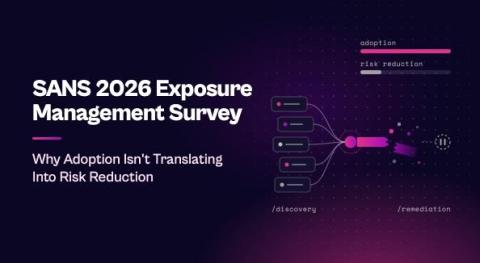
SANS 2026 Exposure Management Survey

The SANS 2026 Exposure Management Survey reveals a significant gap between adoption and effectiveness. While 91% of organizations have implemented exposure management, only 7% operate continuously, and just 15% report significant risk reduction. The biggest challenges aren’t a lack of security tools, but fragmented exposure data, incomplete asset visibility, unclear remediation ownership, and manual workflows.
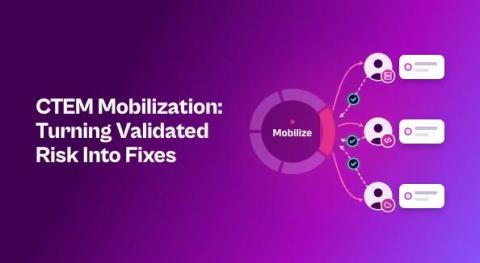
CTEM Mobilization: Turning Validated Risk Into Fixes

Mobilization is the fifth and final stage of continuous threat exposure management (CTEM). It turns validated, prioritized exposures into action by assigning clear owners, delivering context-rich work into the tools teams already use, choosing the fastest safe response, tracking SLAs, and verifying that fixes worked. It’s often the hardest stage because security teams find exposures but IT, engineering, and cloud teams fix them.

Seemplicity + Miggo: Runtime Detection, Closed Risk

Most application-layer attacks slip past EDR, WAFs, and CNAPP because none of them watch what an app actually does at runtime. Miggo’s ADR platform does, detecting behavioral deviations agentlessly via DeepTracing and eBPF. With the new integration, those runtime detections flow directly into Seemplicity, where they’re correlated with cloud, code, and identity findings, deduplicated, and routed to the right owner.

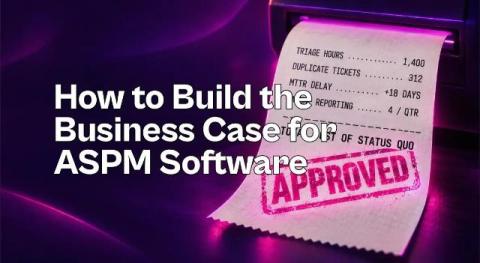
How to Build the Business Case for ASPM Software

Start with what the current backlog already costs: analyst hours spent on triage, developer time lost to duplicate tickets, slow MTTR, and manual reporting. Then tie each benefit of ASPM software to one of those costs, such as fewer tickets per fix or faster remediation. Compare pricing models on your real numbers, including integration upkeep, and propose a measurable pilot on five to ten high-value applications. Most AppSec teams don’t need to be sold on ASPM software.

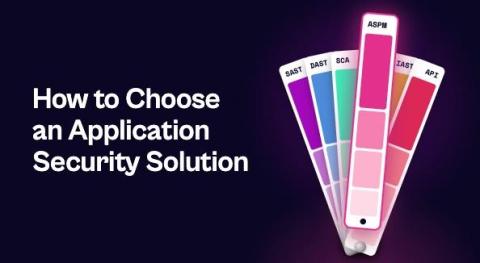
How to Choose an Application Security Solution

Most teams need a combination of application security tools rather than a single one. Common categories are SAST, DAST, IAST/RASP, SCA, API and container security, and ASPM, and each covers a different stage of development. When you evaluate options, look for coverage that matches your stack, integration with developer workflows, accurate findings, risk-based prioritization, and actionable remediation guidance.

From Agent Discovery to Agentic Exposure Response: Reco + Seemplicity

Copilots and assistants shipped into apps you own, agents reaching in through MCP servers and OAuth tool grants, and the service accounts and tokens they all run as. Almost none of it went through a review. This Reco + Seemplicity integration closes the gap between finding an exposed agent and fixing it. Reco discovers every agent operating across your apps, what data it reaches, and what actions it takes.