Security | Threat Detection | Cyberattacks | DevSecOps | Compliance

Emerging Threat: (CVE-2026-34265) SAP NetWeaver ABAP Memory Corruption via DIAG Protocol Parsing

CVE-2026-34265 is a memory corruption vulnerability in the Application Server ABAP component of SAP NetWeaver and the ABAP Platform. The flaw stems from logical errors in how the SAP kernel parses DIAG protocol messages, the proprietary protocol that carries traffic between the SAP GUI presentation layer and the application server. Malformed input reaching the parser leads to an out-of-bounds write, classified as CWE-787. The vulnerability carries a CVSS v3.1 base score of 9.8 (Critical).

Emerging Threat: (CVE-2026-58048) cPanel & WHM Database Privilege Escalation via Database Rename

CVE-2026-58048 is a privilege escalation vulnerability in the database management functionality of cPanel & WHM, the hosting control panel developed by WebPros. An authenticated cPanel account holder with access to the MySQL/MariaDB database feature can execute arbitrary database commands with full administrative privileges, rather than being confined to the databases and grants tied to their own account. The CVE record carries a CVSS v4.0 base score of 9.4 (Critical).

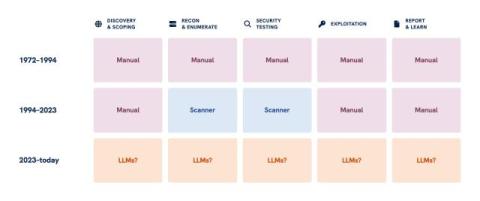
The Anatomy of a Pentest: Where Does AI Change the Game?

Two weeks ago I sat in on a webinar where CyCognito’s founders walked through continuous AI pentesting. The framing stayed with me: the pentest itself has not changed, only who runs each part of it. AI has reached nearly every corner of cybersecurity, and pentesting is no exception. The promise is an agent that probes applications, uncovers flaws scanners miss, and delivers a report before a human tester has finished scoping the engagement.