Security | Threat Detection | Cyberattacks | DevSecOps | Compliance

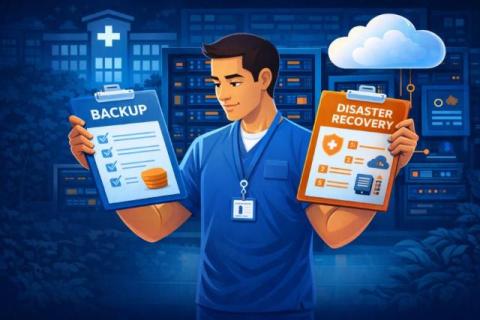
Backup vs Disaster Recovery for Medical Practices: What's the Difference?

Many medical practice administrators believe their organization is protected because “we have backups.” When asked about disaster recovery, they point to the same backup system. This confusion between backup and disaster recovery creates significant risk, because backup alone cannot restore operations quickly enough when systems fail. The distinction matters because patient care depends on system availability.

Opti9 Wins MSP of the Year at 2025 Wasabi Partner Awards

GARDEN CITY, NY, USA – Opti9 today announced it has been selected as North America’s Managed Service Provider of the Year in the 2025 Wasabi Partner Network Awards. These awards recognize Wasabi partners that are dedicated to providing cutting edge cloud technology services to their end users.

Healthcare Ransomware Recovery: A HIPAA-Compliant Response Framework

Healthcare remains the most targeted sector for ransomware attacks, with 238 ransomware incidents reported to the FBI in 2024 alone. The Change Healthcare attack demonstrated the cascading impact a single breach can have across the entire healthcare ecosystem, affecting payment processing for providers nationwide and ultimately compromising data on an estimated 190 million individuals.

How to Build HIPAA-Compliant Infrastructure on AWS

Many healthcare organizations want to move workloads to AWS but stall because they’re uncertain how to maintain HIPAA compliance in the cloud. The good news: AWS provides the tools and certifications needed for HIPAA-eligible services. The challenge is implementing them correctly. AWS has been HIPAA-eligible since 2013 and currently offers over 150 services that can be used in HIPAA-compliant architectures. But eligibility doesn’t equal compliance.

HIPAA Disaster Recovery Requirements: What Healthcare Organizations Really Need

What are HIPAA disaster recovery requirements? Healthcare data breaches exposed over 276 million patient records in 2024, representing more than 80% of the US population according to the HHS Office for Civil Rights. For healthcare organizations, the question is no longer whether a disruption will occur, but when. The HIPAA Security Rule addresses this reality directly through its contingency planning requirements, yet many organizations still operate with significant compliance gaps.