Security | Threat Detection | Cyberattacks | DevSecOps | Compliance

Boost Security Workflows with Veracode Analytics | Secure Coding Challenges & Solutions

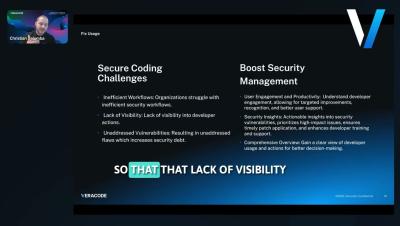
Struggling with inefficient secure coding workflows, lack of visibility into developer actions, and growing security debt? In this clip, Christian Dalomba breaks down the biggest challenges organizations face with secure development and shows how Veracode Fix Analytics helps you move beyond just finding vulnerabilities to actually fixing them faster and smarter. Key takeaways.

Top Software Supply Chain Security Best Practices for Enterprises

If an attacker compromised a dependency buried three levels deep in your build pipeline tonight, how long would it take you to find out? Open source libraries, third-party frameworks, transitive dependencies, build tooling, and now AI-generated code that developers may not have reviewed line by line: each of these components flows into your application, whether your team explicitly chose it or not. Each component is a potential entry point.

Why Restricting AI Code Security Tools Is the Wrong Answer - and What AppSec Programs Actually Need

I signed the Free Fable letter at freefable.org. I want to explain why — and why the reasoning behind it matters for AI code security beyond any single AI model. Cybersecurity defenders are not just critics of technology. We are the builders and operators of the systems that keep real organizations running under pressure.

Cyber Sessions with Sohail Iqbal, CISO at Veracode | CSO Cybersecurity Conference & Awards

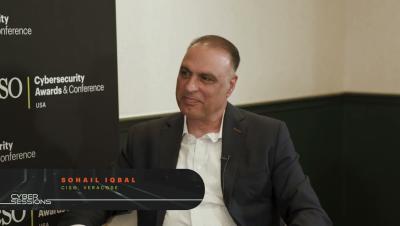
As AI accelerates software development at machine speed, security teams are struggling to keep up with remediation. In this insightful interview, Veracode CISO Sohail Iqbal breaks down the security realities of AI-assisted coding and shares how organizations can close the growing gap between code velocity and secure deployment.

What is Application Threat Detection and How Does it Work?

Security threats don’t announce themselves. They can slip in through vulnerabilities in your code, hide in third-party libraries, and exploit gaps that your team hasn’t had time to patch yet. That’s why application threat detection isn’t just a nice-to-have; it’s the foundation of a modern security program.

Why Claude Mythos Changes AppSec Research, Not Your Scanning Stack

If you’re like our team, the morning after the Claude Mythos announcement brought more questions than answers. Among them: “Serious question. Do customers still need SAST?” It’s a fair question if you stop at the headline. Claude Mythos, Anthropic’s frontier AI model currently gated to vetted partners through Project Glasswing, had autonomously identified thousands of zero-day vulnerabilities across major operating systems and browsers . No rule books, no checklists.

Why AI Changes Everything About Software Risk

Software risk has always existed. What’s changed is the scale, speed, and economics of it. For decades, organizations operated under a relatively stable set of assumptions: humans write code, security teams scan it, vulnerabilities get prioritized and patched. The process was slow, imperfect, and often underfunded — but it was manageable. AI has dismantled those assumptions. And if your security program is still calibrated to the old model, you’re already behind.

What Every CISO Needs to Know About AI-Assisted Development

There’s a conversation happening in boardrooms, security operations centers, and developer standups that I find both thrilling and concerning: the conversation about AI-assisted development. Engineering teams are shipping features in hours that once took months. Products that would have required six-month roadmaps are being prototyped in a weekend.