Security | Threat Detection | Cyberattacks | DevSecOps | Compliance

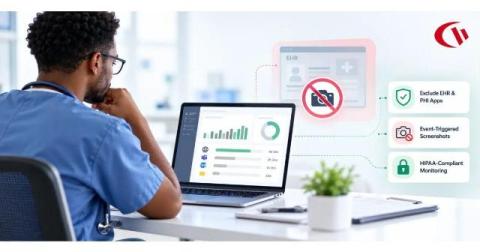
Screenshot Monitoring in Healthcare: How to Track Activity Without Capturing PHI

Healthcare organizations in 2026 will be increasingly challenged to monitor employee computer activity without risking showing sensitive patient information. In a data-driven healthcare model, medical billing teams, clinical documentation specialists, and remote administrators will view electronic protected health information (ePHI) across hybrid workplaces.
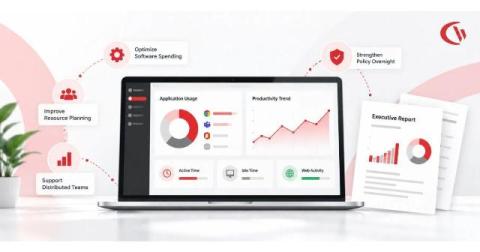
How to Generate Executive Workforce Activity & Application Usage Reports: A Manager's Handbook

Successful executive leadership goes beyond monitoring employees’ every move; it also needs a clear, factual picture of digital workflows, which apps are being used, and how much work available talent can do. Today, when many organizations are dealing with a shift to hybrid work, soaring software subscription pricing, and new productivity requirements, executive workforce activity and app consumption reporting are helping leaders stay on top of it all.

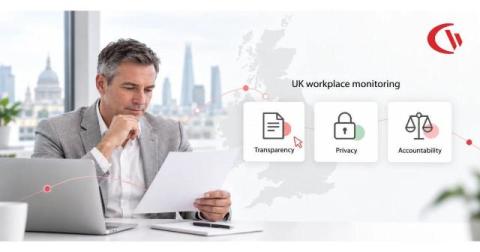
UK Employee & Workplace Monitoring Laws: The 2026 Employer Compliance Guide

In the UK, workplace monitoring rules are changing quickly as the Information Commissioner’s Office (ICO) releases new guidance following the passage of the Data (Use and Access) Act 2025. Since the Act came into effect, UK companies have had to comply with strict legal limitations on employee privacy because of the ICO’s guidance concerning work-related monitoring. What should be done to ensure that employee monitoring laws are valid?

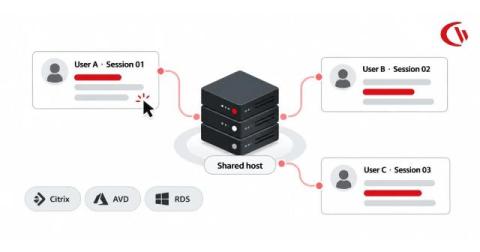
Multi-Session User Tracking in Citrix & Azure Virtual Desktop: Session-ID Mapping vs. Device Logging

In 2026, enterprise computing will be largely consolidated and centralized, and organizations will be shifting away from the one-user-per-PC model towards shared, multi-user virtualization technologies like AVD, Citrix Virtual Apps and Desktops, and Microsoft Remote Desktop Services (RDS).

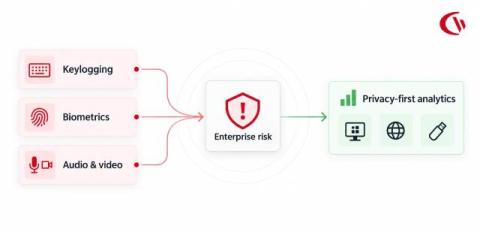
Workplace Biometrics, Keylogging & Wiretapping Laws: Enterprise Risk Assessment Guide

For years, employers assumed that owning the laptop and the network meant unlimited monitoring rights. In 2026, that assumption no longer holds. Federal wiretap law, state biometric statutes, all-party consent requirements and the EU Artificial Intelligence Act each limit what an employer can collect and how. Most workplace surveillance software must weigh the competing goals of safeguarding corporate resources and respecting employees’ right to privacy.