Security | Threat Detection | Cyberattacks | DevSecOps | Compliance

CASB vs SIEM for SaaS Security

Today’s businesses spend more money on SaaS tools than on laptops. According to Gartner, the average organization now uses over 125 different SaaS applications. With the multitude of cloud apps businesses use on a daily basis, securing that expanding environment requires visibility and control across users, applications, data, and infrastructure.

Try Sumo Logic in minutes: see SIEM and Dojo AI agents in action

You already know the feeling. An alert fires, and you’re the one digging through logs to figure out if it matters. A query takes three tries to get right. A tool demo looked great, but you still cannot picture it running against your own environment. Before dedicating too much of your over-committed schedule to a proof of concept, you want to know one thing: does this actually work the way they say it does?

Sumo Logic MCP server: bringing SIEM and log data into Claude and other AI clients

More security and operations work now happens inside an AI client instead of a dedicated console. That shift creates a gap for any platform that isn’t part of the conversation. Every time an analyst needs to triage an insight or check a log, they have to leave the AI client and go open a different tool. Sumo Logic closes that gap with a Model Context Protocol (MCP) server.

Tokenpocalypse: Who pays when the AI bill comes due

On this episode of Masters of Data, we dig into what we're calling the tokenpocalypse, the real cost of running AI at the scale most of us have quietly slid into. We trace the whiplash of the past two years, from "everyone needs the AI hammer" to backlash against obvious AI slop, then get into the harder question of what happens when a mission-critical process runs out of tokens, from chaining Claude to Databricks for a custom dashboard to the eye-watering budget Uber reportedly burned through by April.

How the SOC Analyst Agent cuts investigation time from four hours to fourteen minutes

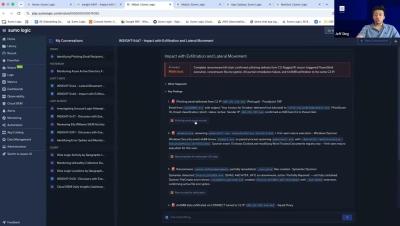
MFA fatigue campaigns work on a simple bet: eventually, someone taps “approve” just to make the notifications stop. It paid off. The attacker was in. The first move was quiet — deactivate SMS authentication, a small settings change easy to miss on a busy queue, and exactly the kind of thing that buys room to work without tripping an alarm. Then came the real work: AWS credentials pulled from one system, SSH keys from another, and a slow and methodical pull of internal source code.