Security | Threat Detection | Cyberattacks | DevSecOps | Compliance

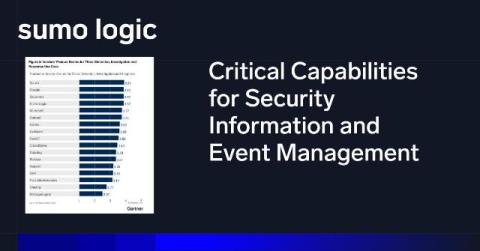
Why the Gartner Critical Capabilities for SIEM report belongs in every buyer's toolkit

Have you ever wished for a tool that could guide you, even on the foggiest days? That was my father’s compass. He carried it not because it told him where he was, but because it reminded him where true north was. I spent twelve years in the U.S. Navy as a cybersecurity practitioner, and that same compass has stayed with me. And in the world of SIEM and threat detection, the Gartner Critical Capabilities for Security Information and Event Management (SIEM) report feels like that compass.
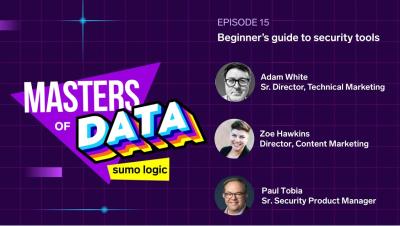
Ep 15: Beginner's guide to security tools

In this episode, we run through our beginner's guide to security tools, emphasizing the importance of people, processes, and technology. We chat about the NIST framework as a foundational resource for building security programs, highlighting key steps such as identifying and managing risks. We also discuss basic tools like password managers and multifactor authentication as essential for enhancing security, particularly against threats like phishing. Finally, we explore the integration of AI in security and its potential to improve efficiency while maintaining human oversight.

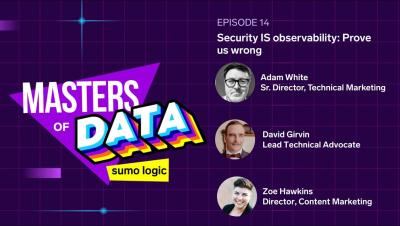
Ep 14: Security IS observability: Prove us wrong

In this episode, we discuss the critical intersection of security and observability within organizations. We highlight the often contentious relationship between security analysts and SREs, emphasizing the importance of fostering a collaborative culture to effectively address incidents. All teams should focus on solutions rather than blame, as user experience is affected by both security and infrastructure issues. We explore how to break down silos, especially in the context of AI security, and encourage cross-disciplinary learning to enhance overall security practices.

Ten modern SIEM use cases at cloud scale

The role of SIEM has never gone away. From the beginning, it’s been the backbone of security operations: the system where logs converge, alerts are analyzed, and incidents are investigated. What’s changed is our ability to use it correctly. Legacy, traditional SIEM tools forced trade-offs. Teams filtered data at ingest, dropped logs to control costs, or siloed analytics into disconnected point tools. The result was a SIEM that felt heavy, reactive, and underwhelming.