Security | Threat Detection | Cyberattacks | DevSecOps | Compliance

Critical Security Threats Facing Governments Agencies

The cybersecurity risks facing government agencies have evolved dramatically in recent years. Foreign actors, criminal organizations, and malicious insiders are significant threats to sensitive operations and infrastructure. Agency leaders must focus on comprehensive security strategies that address sophisticated external attacks and potential insider risks.
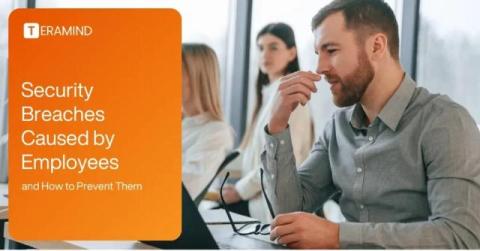
15 Security Breaches Caused By Employees & How To Prevent Them

Your company invested millions in firewalls and security software, but your greatest vulnerability sits at a desk within your own walls and collects paychecks. Employee-caused security breaches—whether through negligence, lack of training, or malicious intent—account for 68% of data breaches each year. Even a single weak password or misclicked link can open the floodgates to data loss, financial damage, and reputational fallout.

The Spy Who Searched Too Much: Insider Threat Lessons from the Rippling-Deel Lawsuit

The recent Rippling-Deel lawsuit is a stark reminder of the devastating impact of insider threats. This high-profile case between two HR tech unicorns reveals how vulnerable even the most innovative companies can be when protecting their trade secrets from within. What could Rippling have done to catch the alleged spy in the first place? We’ll walk you through the case and highlight how an insider threat platform could have detected and prevented the incidents earlier.

10 Insider Threat Indicators & How to Prevent Them

Insider threats are rising, and most organizations aren’t ready to stop them. 76% of companies have seen an increase in insider threats over the past five years, but fewer than 30% feel equipped to handle them. These threats don’t trigger alarms like external attacks—they unfold quietly, often going undetected until it’s too late.

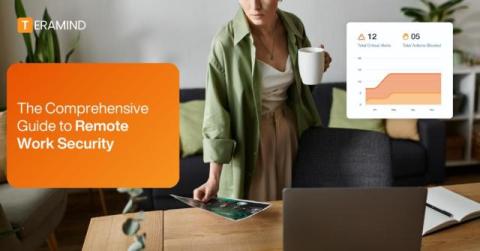
Remote Work Security Threats and How to Stop Them

It’s safe to say that remote work is here to stay, and hybrid arrangements seem to be getting a boost in 2025. While flexible work models are highly desirable for employees, they create new cybersecurity challenges for businesses. Remote work has quickly become the norm, causing businesses to rethink security protocols. Implementing security measures outside of a centralized office requires a robust strategy—so how can you effectively mitigate risk while still ensuring operational efficiency?

How To Detect Indicators Of Compromise In Your Business

Don’t wait until your data is compromised—be proactive. Listen, most cyberattacks don’t start with an obvious warning. There’s no flashing red alert, no system shutdown—just subtle anomalies that seem harmless at first. But those small details? They’re Indicators of Compromise—signs that an attacker may already be inside your network.