Security | Threat Detection | Cyberattacks | DevSecOps | Compliance

4 Phases, 357 Crashes, 2 Bugs: What AFL++ Campaign Actually Looks Like

357 crash files. 2 real bug sites. That’s the outcome of this AFL++ campaign after roughly 8.5 billion executions across multiple harnesses, binaries, and phases. At first glance, everything looked like success. Crashes were increasing steadily. New inputs were being generated every few seconds. Coverage appeared to improve over time. From a surface-level perspective, the campaign looked productive. Then triage began.

Gemini XSS Vulnerability: When AI Executes Malicious Code

Artificial intelligence is no longer just generating text. It generates and executes code in real time. With tools like Google Gemini, features such as code canvases and live previews are turning AI systems into interactive execution environments. This shift introduces a new and rapidly growing category of risk: AI security vulnerabilities tied to real-time code execution.

Android Component Security: Common Misconfigurations That Expose Mobile Apps

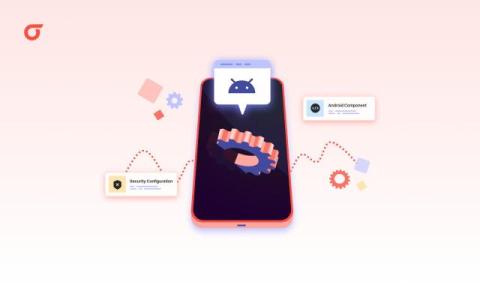
When teams think about Android app security, the focus is usually on code for encryption, obfuscation, or binary protection. But in practice, many of the most critical Android app vulnerabilities don’t originate in code at all. They come from misconfigurations. Issues in the AndroidManifest, insecure component exposure, and unsafe inter-app communication often create direct entry points for attackers. These are not edge cases. They are common, repeatable, and frequently exploited.

How to Implement Mobile AppSec in a CI/CD Pipeline

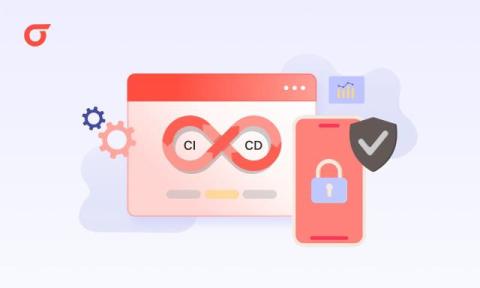
For many engineering teams, CI/CD security appears to be working. Static scans run automatically. Vulnerabilities are flagged. Security checks exist somewhere in the pipeline. Yet issues still surface after release. The reason is rarely the absence of tools. More often, it is the absence of structural enforcement across the build lifecycle. Security controls run inside the pipeline, but they do not always guarantee that the artifact being tested is the same artifact that ultimately reaches users.

Continuous Mobile Security Lifecycle: Appknox's Guide for Enterprise AppSec

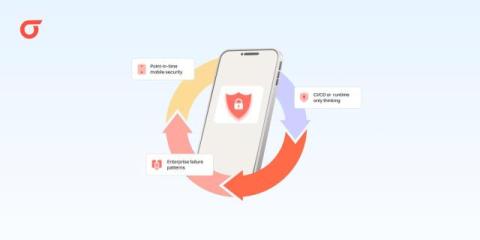
Mobile app risk rarely emerges from negligence. It emerges from fragmentation. In most enterprises, security is applied in stages: Each control works in isolation. None governs how risk evolves over time. Mobile applications are distributed, long-lived systems. Once deployed, they operate outside centralized infrastructure control, exposed to shifting SDK dependencies, evolving APIs, regulatory change, and adaptive adversaries. Security gaps rarely appear within a stage. They appear in the transitions.