
Is Your Air Conditioner Ready for Another Alberta Summer?
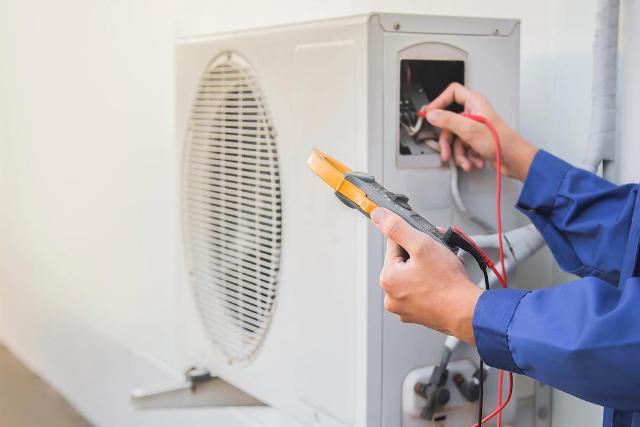
Image Source: depositphotos.com
When most people think about Alberta, cold winters usually come to mind. Yet anyone who has lived through an Alberta summer knows that temperatures can climb quickly, making a reliable air conditioning system more important than ever. Whether you're in Calgary, Edmonton, or a smaller community, preparing your cooling system before the hottest days arrive can save you money, improve indoor comfort, and help avoid unexpected breakdowns.
Many homeowners wait until the first heat wave to turn on their air conditioner, only to discover that something isn't working properly. A little preparation before summer begins can make a big difference in how efficiently your system performs throughout the season.
Among the companies that homeowners often turn to for heating and cooling maintenance, Hydro-Flo Plumbing & Heating has become a familiar name for those seeking professional HVAC and plumbing services. Regular inspections and preventative maintenance can extend the life of an air conditioner and improve overall energy efficiency.
Why Summer Preparation Matters
Air conditioners spend months sitting idle during Alberta's long winters. Dust accumulates, filters become clogged, and outdoor units may collect leaves, debris, or even suffer damage from snow and ice. Starting the season with an unchecked system increases the risk of poor performance and costly repairs.
A properly maintained air conditioner offers several advantages:
- Lower energy consumption
- Better indoor air quality
- More consistent cooling
- Reduced repair costs
- Longer equipment lifespan
- Increased home comfort
Taking a proactive approach allows you to identify small issues before they become expensive emergencies.
Start with a Visual Inspection
Before turning on your air conditioning system, spend a few minutes inspecting both indoor and outdoor components.
Outdoor Unit
Walk around the condenser unit and look for:
- Dirt buildup on the fins
- Branches or leaves blocking airflow
- Signs of rust or corrosion
- Damaged insulation around refrigerant lines
- Bent fins or visible wear
Clear at least two feet of space around the unit to ensure unrestricted airflow.
Indoor Components
Inside your home, check:
- Air vents and registers
- Thermostat settings
- Furnace filter condition
- Signs of moisture or leaks near the system
Even simple visual checks can reveal problems that require attention.
Replace or Clean Air Filters
One of the easiest ways to improve air conditioner performance is by replacing dirty air filters. Filters trap dust, pollen, pet dander, and other particles, but they gradually become clogged over time.
Dirty filters can:
- Restrict airflow
- Force the system to work harder
- Increase utility bills
- Reduce cooling efficiency
- Impact indoor air quality
Most filters should be replaced every one to three months, depending on household conditions and manufacturer recommendations.
Homes with pets or allergy sufferers may benefit from more frequent replacements.
Test the Thermostat
Your thermostat acts as the control center of your cooling system. If it isn't functioning correctly, your air conditioner may cycle too frequently or fail to maintain comfortable temperatures.
Before summer arrives:
- Switch the thermostat to cooling mode.
- Lower the temperature several degrees.
- Confirm that cool air begins flowing from vents.
- Ensure the system shuts off once the desired temperature is reached.
Smart thermostats can also help reduce energy costs by automatically adjusting temperatures based on occupancy and schedules.
Listen for Unusual Sounds
A healthy air conditioner should operate relatively quietly. Strange noises often indicate developing problems.
Pay attention to sounds such as:
Grinding
May signal motor bearing issues.
Buzzing
Could indicate electrical problems or loose components.
Rattling
Often caused by loose screws or debris inside the unit.
Squealing
Sometimes points to belt or fan motor problems.
Ignoring these warning signs may allow minor issues to become major repairs later in the season.
Clean Around Vents and Registers
Blocked vents can reduce airflow and force your cooling system to work harder than necessary.
Make sure:
- Furniture isn't blocking supply vents.
- Curtains don't cover registers.
- Dust is removed from vent covers.
- Return air vents remain unobstructed.
Balanced airflow helps maintain even temperatures throughout the home and improves efficiency.
Check for Refrigerant Problems
Refrigerant is essential for cooling your home. Low refrigerant levels often indicate leaks that require professional attention.
Signs of refrigerant issues include:
- Warm air from vents
- Reduced cooling performance
- Ice forming on refrigerant lines
- Longer cooling cycles
- Higher electricity bills
Because refrigerant systems are sealed and regulated, diagnosing and repairing leaks should be left to trained HVAC technicians.
Pay Attention to Humidity Levels
Alberta summers may not be as humid as some regions, but moisture levels can still affect indoor comfort.
An efficient air conditioning system helps remove excess humidity, making temperatures feel cooler and reducing discomfort.
High humidity indoors may result in:
- Sticky air
- Condensation on windows
- Mold growth
- Musty odors
If humidity becomes a recurring issue, additional solutions such as whole-home dehumidifiers may help improve comfort.
Schedule Professional Maintenance
While homeowners can handle basic cleaning and inspections, annual professional maintenance remains one of the best investments for protecting an HVAC system.
Companies like Hydro-Flo Plumbing & Heating provide maintenance services designed to identify hidden issues before they lead to breakdowns. During a typical inspection, technicians may:
- Test refrigerant pressures
- Inspect electrical components
- Tighten connections
- Clean condenser coils
- Check blower motors
- Verify thermostat operation
- Examine drainage systems
- Evaluate overall performance
Preventative maintenance often costs far less than emergency repairs during peak summer months.
Improve Energy Efficiency
Air conditioners account for a significant portion of summer electricity usage. Improving efficiency can lower monthly utility bills while keeping your home comfortable.
Seal Air Leaks
Gaps around windows and doors allow cool air to escape and hot air to enter.
Weatherstripping and caulking can help maintain indoor temperatures.
Use Ceiling Fans
Fans improve air circulation and allow homeowners to raise thermostat settings without sacrificing comfort.
Close Curtains During Peak Sunlight
Direct sunlight increases indoor temperatures. Keeping blinds and curtains closed during the hottest part of the day reduces cooling demand.
Upgrade Insulation
Proper insulation helps maintain cooler temperatures and reduces strain on the air conditioning system.
Know When It's Time for Replacement
No air conditioner lasts forever. Most systems have a lifespan of around 10 to 15 years.
Signs that replacement may be worth considering include:
- Frequent repairs
- Rising utility costs
- Uneven cooling
- Constant cycling
- Loud operation
- Use of outdated refrigerants
Modern high-efficiency systems consume less energy and often provide improved comfort and quieter performance.
A professional assessment can help determine whether repairs or replacement offer better long-term value.
Air Handling in Commercial Kitchens
Commercial kitchens push far more grease and heat through their extraction than a home cooling system ever deals with, and the equipment reflects that. Fatty vapour from frying and grilling coats ductwork over time, which is why extraction runs need dedicated filtration rather than the pleated panels used indoors. Operators often look at grease filtration & ESP systems to strip out that airborne grease before it reaches the ducting and roof fan. Electrostatic precipitators charge the particles and collect them on plates, so the exhaust leaves cleaner and the buildup that feeds duct fires is kept in check. Cleaning intervals depend on how many hours the range runs, but a busy kitchen usually needs the collector cells washed every couple of weeks.
Prepare for Heat Waves
Extreme summer temperatures can put extra stress on HVAC equipment. During particularly hot periods:
- Avoid setting the thermostat excessively low.
- Change filters regularly.
- Keep outdoor units clean.
- Reduce heat-producing activities during the day.
- Use programmable thermostats for better energy management.
These habits help maintain comfort while reducing strain on the system.
Don't Ignore Warning Signs
Many major air conditioner failures begin with subtle symptoms.
Contact an HVAC professional if you notice:
- Weak airflow
- Hot spots throughout the house
- Frequent cycling
- Water leaks
- Unusual odors
- Rising energy bills
- Inconsistent temperatures
Addressing problems early can prevent more expensive repairs and unexpected breakdowns during peak summer demand.
Final Thoughts
Alberta summers may be short, but they can bring periods of intense heat that make dependable air conditioning essential. Preparing your system before temperatures rise helps ensure reliable performance, lower energy costs, and greater indoor comfort.
Simple steps like changing filters, inspecting outdoor units, testing thermostats, and scheduling professional maintenance can make a noticeable difference. By investing a little time before summer arrives, homeowners can enjoy peace of mind knowing their cooling system is ready for whatever the season brings.
Whether your system simply needs a tune-up or requires more extensive attention, staying proactive is the best way to ensure your air conditioner remains ready for another Alberta summer.