
Why Technology Companies Are Investing in Drone App Development
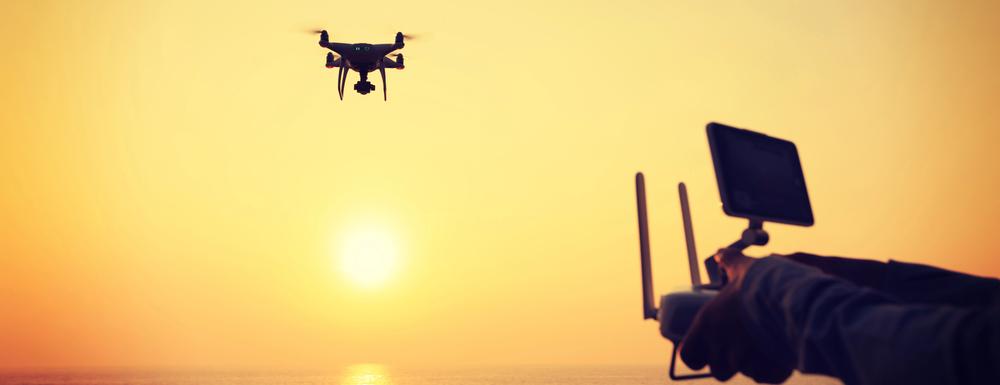
Image Source: depositphotos.com
The global drone market is expanding at an impressive pace, driven by advances in automation, artificial intelligence, cloud computing, and connectivity. While drone hardware continues to evolve, software has become the primary factor that determines how effectively organizations can leverage these technologies. Companies working with companies, such as Wezom, on custom drone app development projects are discovering new ways to automate operations, improve data visibility, and create scalable digital ecosystems that support long-term growth.
For technology companies in particular, drones are no longer viewed as standalone devices. They are becoming part of broader innovation strategies that combine mobile applications, cloud infrastructure, analytics platforms, and connected systems. As a result, investment in drone app development has become a strategic priority rather than a niche technology initiative.
The Growing Role of Drones in Modern Technology Ecosystems
The use of drones has expanded far beyond aerial photography and recreational applications. Today, businesses rely on drones for infrastructure inspections, environmental monitoring, logistics operations, mapping, security, agriculture, and industrial automation.
However, the value of a drone is not determined solely by its hardware capabilities. Organizations need software that allows them to manage missions, monitor devices, process data, and integrate drone operations with existing business systems.
This shift has transformed drone applications into a critical component of modern technology ecosystems. Mobile and web-based platforms now serve as the central hub through which users interact with drone fleets, access information, and make operational decisions.
As businesses continue to digitize their processes, demand for sophisticated drone applications continues to grow.
Why Off-the-Shelf Applications Are No Longer Enough
Many organizations begin their drone journey using standard software solutions provided by hardware manufacturers. While these platforms are often suitable for basic operations, they rarely meet the needs of businesses pursuing large-scale deployments or industry-specific use cases.
Technology companies frequently require unique workflows, specialized analytics, advanced integrations, and customized user experiences. Generic applications are typically designed to serve broad audiences, making it difficult to address these requirements effectively.
As operations become more complex, businesses often encounter limitations related to:
- Integration capabilities
- Data management
- Scalability
- Security requirements
- Automation features
Custom drone applications allow organizations to overcome these barriers by creating solutions tailored to their operational objectives and technical environments.
How Drone Applications Create Business Value
The growing investment in drone app development is largely driven by the measurable benefits these platforms deliver.
One of the most significant advantages is operational efficiency. Automated workflows reduce the amount of manual effort required to plan missions, monitor flights, collect information, and generate reports. This allows teams to focus on analysis and decision-making rather than administrative tasks.
Improved visibility is another major benefit. Modern drone applications provide real-time access to operational data, enabling businesses to identify issues faster and respond more effectively to changing conditions.
Custom applications also improve collaboration. Cloud-connected platforms make it easier for teams in different locations to access the same information, share insights, and coordinate activities.
For many organizations, these improvements translate directly into lower costs, faster processes, and better business outcomes.
The Technologies Driving Modern Drone Applications
Drone app development increasingly relies on a combination of advanced technologies that enhance performance, intelligence, and scalability.
Artificial Intelligence and Machine Learning
Artificial intelligence is transforming how drone applications process and interpret information. Instead of relying entirely on manual analysis, organizations can use AI-powered tools to automatically identify patterns, detect anomalies, and generate actionable insights.
Machine learning models continuously improve as they process more data. This enables drone applications to become increasingly accurate and efficient over time.
For example, inspection software can automatically detect infrastructure damage, while agricultural applications can identify crop health issues before they become visible to human observers.
Cloud Computing
Cloud technologies have become a foundation of modern drone ecosystems. They provide centralized data storage, scalable processing resources, and remote accessibility.
Cloud-based applications enable organizations to manage drone operations across multiple locations while maintaining consistent visibility and control. They also simplify software updates and support collaboration between distributed teams.
Internet of Things Integration
Many technology companies are incorporating drones into broader IoT environments. Connected sensors, devices, and infrastructure can share information with drone platforms in real time, creating more comprehensive operational intelligence.
This integration enables businesses to automate responses, improve monitoring capabilities, and gain deeper insights into complex environments.
Edge Computing
As drone deployments become more sophisticated, organizations increasingly require real-time processing capabilities. Edge computing allows data to be analyzed closer to the source, reducing latency and minimizing dependence on cloud connectivity.
This approach is particularly valuable for applications that require immediate decision-making or operate in remote environments with limited network coverage.
Industries Leading Investment in Drone App Development
Although drone technology is used across many sectors, several industries are driving particularly strong demand for custom application development.
Logistics and Transportation
Companies are exploring drone-based delivery services, warehouse monitoring, inventory tracking, and route optimization. Custom applications help coordinate operations while ensuring visibility across the supply chain.
Construction and Engineering
Construction firms use drone applications to monitor project progress, generate site maps, conduct inspections, and improve communication among stakeholders.
By automating reporting and analysis, businesses can reduce project delays and improve resource management.
Energy and Utilities
Utility providers rely on drone platforms to inspect critical infrastructure such as power lines, pipelines, wind turbines, and solar installations.
Custom applications streamline data collection and accelerate maintenance decision-making, helping organizations improve reliability while reducing operational risks.
Agriculture
Agricultural businesses use drone software to monitor crops, assess irrigation systems, identify diseases, and optimize resource allocation.
Advanced analytics help farmers make more informed decisions and improve productivity across large areas.
Key Considerations When Developing a Drone Application
Successful drone app development requires more than technical expertise. Organizations must ensure that their solutions align with both operational needs and long-term business goals.
Several factors should be considered during the planning process:
- User experience requirements
- Integration with existing systems
- Regulatory compliance obligations
- Security and data protection standards
- Scalability expectations
Addressing these considerations early helps reduce development risks and supports future growth.
Why Custom Development Provides a Competitive Advantage
Technology companies operate in highly competitive markets where efficiency, innovation, and adaptability are critical. Custom drone applications provide greater control over features, workflows, and integrations than generic alternatives.
This flexibility allows businesses to create solutions that support unique operational requirements while differentiating their products and services from competitors.
Custom development also provides a stronger foundation for future innovation. As new technologies emerge, organizations can expand their platforms without being constrained by the limitations of third-party software.
The Future of Drone Applications
The next generation of drone applications will be defined by increasing autonomy, deeper integration, and more advanced intelligence. Artificial intelligence will continue to automate decision-making, while connected ecosystems will enable drones to operate as part of larger digital infrastructures.
Emerging technologies such as digital twins, predictive analytics, autonomous fleets, and advanced IoT networks will further expand the role of drone applications across industries.
Organizations that invest in scalable software architectures today will be better positioned to capitalize on these opportunities as the market continues to evolve.
Conclusion
Drone technology is becoming an increasingly important component of modern digital transformation strategies. While hardware remains essential, software is what enables organizations to unlock the full value of drone operations.
Custom drone app development allows businesses to automate workflows, improve visibility, integrate systems, and create scalable solutions that support long-term growth. As industries continue to adopt intelligent and connected technologies, investment in drone applications will play a critical role in helping organizations remain competitive and innovative in an increasingly digital world.