
Why Payment Options Matter in Your Business Strategy
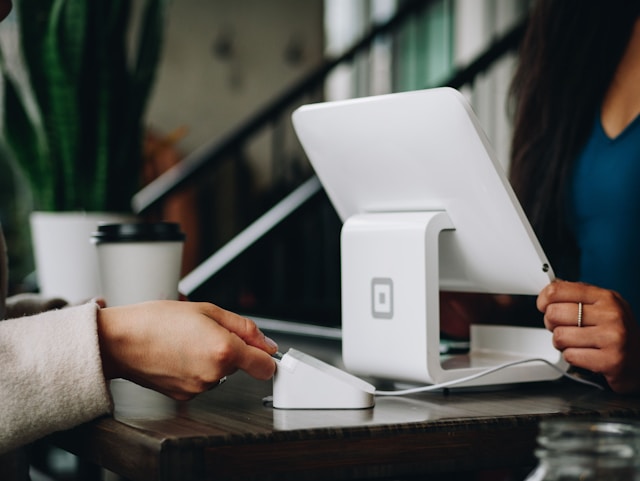
The way businesses today accept payments for their services can say a lot about them in general. In today’s ever-expanding digital economy, those businesses that don’t stick with payment trends not just risk falling behind but even becoming obsolete. Such is the pace that modern technology is moving, in the space of a year, today’s trending solution can easily become yesterday’s news and no longer the best way forward.
Between disruptive technologies like AI and blockchain, nothing is assured anymore as far as payment strategies go. Dynamic shifts are happening across global marketplaces seemingly overnight, so any modern business that seeks longevity needs to adapt to these changes. This is why payment options matter in business strategies, a lot!
Expanding Payment Horizons Through Digital Channels
In the not-too-distant past, most businesses were perfectly capable of getting by offering two key offerings: cash or credit. However, today’s world is one that has a myriad of digital wrenches in the works. One key example is crypto trading, which has gained traction fast. Traders and shoppers alike are looking for real-time, secure, and often anonymous options.
In this shift, key players like Solana have emerged as one of the networks crypto users love for its speed and low fees. Even among the best Solana meme coins, digital assets like these aren’t just being traded for profit. They’re also getting used in day-to-day transactions, as many users prefer them for their fast processing and vibrant communities.
What used to be a niche is becoming routine. Businesses that make room for wallets that accept these digital coins often find increased engagement and repeat customers. Speed matters. So does novelty. These coins appeal to people who want quick, fun, and low-cost ways to be part of a new kind of economy. However, ignoring these trends can leave businesses behind, especially in industries with heavy online interaction.
Card Payments Still Lead, But That’s Not the Whole Story
Even as new tech grows, card payments still hold their place. Visa and Mastercard dominate for good reason. They're fast, familiar, and widely accepted. That familiarity builds trust. For new customers, seeing those logos gives a sense of security. It's what they’ve used for years, both in person and online. For a business, not having card options is a fast way to lose trust before the sale even starts.
Yet just accepting cards isn’t enough anymore. Customers expect to save their details securely. They want one-click checkouts and fast refunds. A slow, clunky experience drives people away. They might even take their complaint public. With more competition online, no one wants to wrestle with a payment screen.
For businesses selling across borders, card payments come with costs. Currency conversions, transaction fees, and fraud risks can pile up. While reliable, these systems were built for an earlier era. Today’s shopper moves faster, with less patience for friction. That’s where the cracks show, even in a system that still leads the way. If cards are your only option, you’re playing a limited game in a very broad field.
Digital Wallets, Loyalty, and Repeat Sales
Apple Pay, Google Pay, and PayPal, these services are now a regular part of how people check out. Many shoppers reach for their phone before they reach for their card. The appeal is speed and simplicity. Digital wallets cut out the need to type anything. They also often come with extra protections, like biometric ID and fast refunds. For businesses, these features reduce drop-offs at checkout.
Loyalty programs tied to wallets have become another tool. Customers who get points or cash back automatically are more likely to come back. This isn’t just about ease. It’s about incentive. With repeat use, these digital wallets can feed directly into customer loyalty efforts. That’s why many top brands now use digital wallet campaigns alongside email or SMS marketing. It keeps people engaged and gives them reasons to return.
On mobile, where most shopping happens, digital wallets shine. They’re built for the small screen. No one wants to type out a 16-digit number on a phone. Wallets skip that part, and that alone can lift conversions. If you sell online and you’re not offering wallet options, you’re probably missing sales every day.
Is Buy Now, Pay Later a Convenience or a Trap?
A rising trend in recent years is the buy now, pay later model. Services like Klarna, Afterpay, and Affirm are making it easy for shoppers to split payments over time. Younger buyers, in particular, are drawn to these tools. They want the freedom to shop without putting pressure on their regular cash flow. For businesses, this can mean a sharp rise in average order value. People spend more when they feel like the hit is spread out.
Still, there are questions around this model. While it drives revenue in the short term, it could encourage overspending. Some regulators are already tightening the rules around these services. For now, they remain a major draw. Businesses offering them stand out, especially in fashion, tech, and consumer goods.
There’s also the matter of payment delays or defaults. Depending on the service, this risk may fall on the provider or the business. It’s important to read the fine print. You want the upside, like more sales, without being exposed to unnecessary risk.
Local Options for Global Audiences
One payment method that works in the US may not work in Brazil, India, or Germany. Global shoppers bring their own habits. In the Netherlands, iDEAL is preferred. In Japan, many still use cash-based options tied to convenience stores. If your business serves multiple countries, ignoring local methods can mean walking away from ready buyers. They’ll try to pay, fail, and move on.
Expanding the range of payment options is not just for massive firms. Even small online businesses can tap into global platforms that connect to local payment rails. Services like Stripe, Adyen, and Payoneer make it possible to reach users with their preferred methods. The cost of adding these options is often much lower than the cost of losing international customers.
Conclusion
The thing about payment choice in modern commerce is that it doesn’t only cater to convenience anymore. In some markets, these choices can speak volumes for how a business values its key customer base. Choose wrong or get left behind, and it can affect everything from trust to speed, digital security, and even customer loyalty. With just a few smart changes, your business can meet more people where they already are. All it takes is a closer look at what really happens when someone gets to the checkout.