
Why Every Business Needs a Secure Payment Gateway to Prevent Cyber Threats
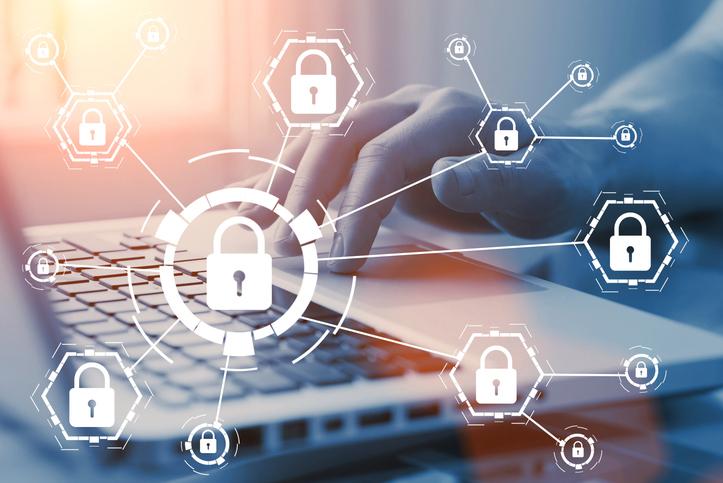
Lots of businesses nowadays conduct at least a portion of their sales online, with many operating entirely online. As such, businesses use payment gateways to authenticate the customer’s payment details and facilitate online transactions.
This is well and good, however, the wide adoption of digital payments has also resulted in criminals turning their attention to payment gateways. Cyber attacks on transactions made through unsafe payment gateways are prevalent in virtually every industry nowadays, and many businesses are struggling to find good ways to prevent cyber threats and keep their transactions and their customers’ data safe.
This is why every business needs a secure payment gateway to prevent cyber threats, instead of just using boilerplate and easily hackable payment solutions.
What are the common threats payment gateways face today?
Using a secure payment gateway is a good way to deal with cyber threats, as there are lots of threats to be wary of. The most common types of cyber fraud hackers subject payment gateways to include:
1. Card testing
This is one of the simplest and most prevalent types of payment gateway threats. With this method, criminals simply create huge lists of random number sequences, hoping that at least some of them match real card numbers. Then, they just run all these numbers on random websites and payment gateways, trying to put forth spam orders and hoping that at least a few of them will be processed successfully without the need to provide additional details.
This may seem like something that shouldn’t work, and it is, yet sub-par payment gateways with insufficient security tools do fall victim to card testing very often.
2. BIN attacks
BIN (Bank Identification Number) attacks are similar to card testing, but a bit more sophisticated. In this case, the cyber criminals use the client’s BIN, the first six numbers of the card number. From there, they generate the rest of the number sequences randomly, as they would with the card testing method. After that, they just test these new “card numbers” randomly again. This works on the same principle as above, but much more often.
3. Account Takeover Fraud
Account Takeover Fraud, or ATO, is one of the most dangerous types of cyber fraud. In this case, criminals gain access to both the victim’s shopping account and bank account, usually through a previous scam. Once the criminal has those, they can use the stored billing details of the victim to make rampant purchases and drain all of the victim’s resources from their bank account.
Some of the main ways these ATOs are accomplished are through phishing, data breaches, malware attacks, credential cracking, subscriber identity module swap, and other scams.
4. Chargeback fraud
Chargebacks aren’t always fraudulent (although they can be costly even when they aren’t), but fraudulent chargebacks are among the most common types of fraud payment gateways have to deal with. In this type of fraud, the criminal intentionally triggers a payment dispute in an attempt to get a refund, even though they are aware they have received the product or service and intend to keep it in secret.
5. Identity theft
Similar to ATOs, identity theft scams aren’t as all-encompassing but are just as dangerous. In this case, the criminal hasn’t gotten access to every account of the victim but just to their card details or other authentication data. Even that is usually enough for the cyber criminal to easily start making purchases in the victim’s name until they have exhausted all their resources.
How does a secure payment gateway prevent these and other cyber threats?
All of the above and other types of scams are prevalent in many payment gateways. However, payment solutions that specialize in working with businesses in high-risk industries have much more robust privacy and security features that negate most cyber threats. These include tools, such as:
- Payer authentication PIN is an extra PIN generated by the user to be used during the checkout verification.
- Biometric authentication, such as fingerprint scans and facial recognition, is used to eliminate any risk of identity theft or ATO.
- Machine-learning detection algorithms can work wonders in preventing both genuine and fraudulent chargebacks, as well as card testing, BIN attacks, and non-fraud issues like card declines, late declines, and more.
- Device ID is a simple mechanism that checks which devices cardholders use and flags transactions from new devices as potentially risky/fraudulent.
- Card Verification Value (CVV) numbers aren’t stored in any business’s database, which makes them more difficult to steal, and therefore, a good verification method.
- Address Verification Service (AVS) is a verification that uses the customer’s address alongside their PIN code.
- Encryption and tokenization help protect transactions and customer data from being hacked.
With cyber attacks becoming more and more innovative every year, payment gateways also have to come up with new fraud prevention technologies. This is all the more reason to look for a secure payment gateway that isn’t just safe to use today, but is committed to keep developing its privacy and security features in the future.