
Why 3592 Tape Still Wins: Long-Term Storage Without the Long-Term Cost
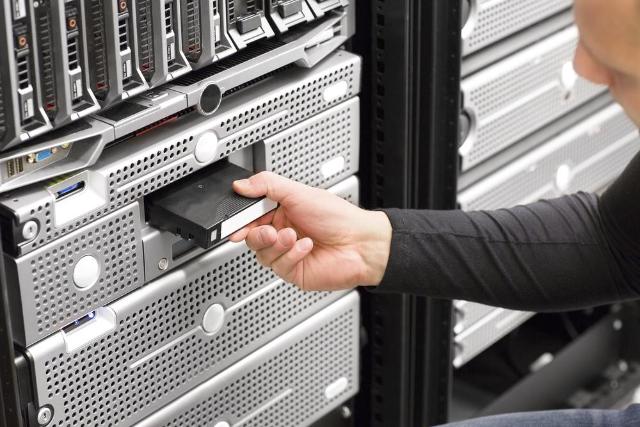
Image Source: depositphotos.com
High-capacity, energy-efficient, and cost-effective, 3592 tape remains a smart option for organizations managing deep storage needs. In a landscape filled with rising cloud bills and data center overhead, 3592 technology provides a simple equation: reliable storage at a fraction of the cost. Big companies with massive data archives are feeling the squeeze. They need to keep costs down without hurting speed or accuracy. This tape? A total success! It works perfectly. Banks, government offices, and media companies, they all rely on tape for their long-term data storage. Find out how 3592 tape offers lasting economic benefits, well into the future. This article explains it all.
Cost Advantages of 3592 Over Other Storage
The financial case for 3592 tape stands out as one of its strongest selling points in 2025, beyond its technical capabilities and security features. Companies that think over buying 3592 tape often find economic advantages that other storage technologies can't match, especially when you have long-term data archiving needs.
Cost Per GB VS. Disk and Cloud
Storage economics clearly favour tape when you look at cost-per-capacity metrics. Recent industry data shows tape storage costs about $0.003 per GB per year, which is nowhere near the $0.05 for HDDs and $0.39 for SSDs. This is a big deal as it means that storing just one terabyte of cold data costs $3.00 yearly on tape, while HDDs charge $48.00 and SSDs demand a whopping $390.00.
These cost gaps grow exponentially at enterprise-level storage needs. Companies managing petabytes of archival data can't ignore such differences. The competitive pricing among 3592 tape products creates even better value:
- IBM 3592 JD Advanced Data Tape Cartridge (10TB/30TB): $321.90
- IBM 3592 JE Advanced Data Tape Cartridge (20TB): $297.75
- IBM 3592 JK Data Cartridge: $131.00
Cloud storage might seem simple, you just need payment details instead of hardware investments. Yet its long-term costs often surpass tape storage for large archives. Yes, it is true that monthly cloud bills keep adding up forever, while tape media only needs one purchase during its lifetime. A storage expert points out, "LTO is a cost-effective storage medium for archive data... Store the tape safely and the data remains in the archive".
Among cloud options, Amazon's S3 Glacier Deep Archive stands alone in competing with tape economics for archival storage. This makes sense, since Amazon uses tape technology in its data centres to achieve these prices.
Media Longevity and Low Maintenance
3592 tape's exceptional durability makes its cost advantage even better. 3592 data cartridges can keep data safe for up to 30 years when stored properly. This amazing lifespan lets organizations keep archives without replacing media as often as disk-based solutions require.
IBM backs its 3592 tape cartridges with a limited lifetime warranty that covers manufacturing and material defects throughout the product's useful life, usually 10 years. This extended coverage shows how much faith the manufacturer has in its product's reliability.
Disk storage needs constant power, cooling, and regular checks. Tape cartridges, on the other hand, need minimal attention once stored properly. This feature makes 3592 tape perfect for "cold" data that companies must keep but rarely use. The sort of thing we love about modern tape technology is how much more reliable and durable it has become compared to earlier versions.
Energy Efficiency and Storage Density
3592 tape's most overlooked benefit comes from its amazing energy efficiency. Disk arrays use power 24/7 whether you access them or not. Tape libraries only need power when reading or writing data.
Energy costs keep rising and environmental awareness grows. Tape storage's efficiency leads to big operational savings, especially for large-scale archives. Companies with green initiatives find that tape storage helps meet their environmental goals while cutting costs.
TS1170 drives showcase extraordinary storage density, with 50TB native capacity (up to 150TB compressed). Organizations can store over a petabyte of data on just seven cartridges. This density advantage really matters in data centers where space costs a premium.
Longevity, energy efficiency, and storage density work together to create an impressive total cost advantage. This makes 3592 tape an economically smart choice, especially for organizations with massive data archives that need long-term storage.
Who Should Still Buy 3592 Tape Today
Different industries have compelling reasons to buy 3592 tape in 2025. Some sectors get the most value from this 30-year-old technology. The latest TS1170 drive paired with 3592 JF tape cartridge gives organizations unprecedented storage capabilities they simply can't do without.
Large Enterprises with Massive Archives
Companies that handle rapidly growing volumes of big data are the perfect candidates for 3592 tape investment. Data-heavy enterprises need affordable storage for their massive data sets, and this technology delivers exceptional value. Cloud service providers have become major 3592 tape users. They utilize the increased capacity to securely store their customer's data long-term. When buying 3592 tape, businesses should consider not only the cost-per-terabyte but also the long shelf life, reliability, and scalability it offers for archival storage. For organizations facing exponential data growth, 3592 tape represents a cost-effective, future-ready solution.
The financial sector stands out as a major user of 3592 tape. More than 97% of the 10,000 largest European companies store their data on tapes. Large banks show why this makes sense - a typical European bank's data will grow from 40PB to 100PB within five years, generating about 1PB of new data each month. These organizations can save 179,340 Euros over five years by switching to newer 3592JE tapes.
Government and Research Institutions
Government agencies need to keep data for decades, making 3592 tape incredibly valuable. The Treasury of Puerto Rico's historical records and documents must remain available for up to 30 years, so they use tape storage. Their current setup includes four tape libraries with about 50TB total capacity, plus another 600TB spread across 21 financial centers.
Research institutions handling sensitive data see substantial benefits too. The National Institutes of Health's Computational Medicine Center keeps over 1,000 tapes in a secure library vault with round-the-clock security. These organizations love 3592's mix of capacity, security, and durability - tapes can last up to 30 years when stored properly.
Law enforcement agencies rely heavily on this technology. The Calgary Police Department stores case files digitally on tape, finding it cheaper than traditional storage methods. Their system helps them share information between departments while avoiding costly data deletion.
Media and Entertainment Industries
Organizations with huge archives and rich content naturally choose 3592 tape. Media companies working with HD video files, animation renders, and audio masters love the 50TB native capacity that can expand to 150TB with compression.
The media and entertainment industry benefits from 3592 tape's key features:
- Extended retention capabilities for completed projects
- Affordable storage for raw footage and production assets
- Secure offline protection for intellectual property
- Reliable access to historical content for reuse or remastering
Media libraries have grown enormously over the last several years. The ability to store up to 150TB on a single cartridge using 3:1 compression makes 3592 tape perfect for managing these massive archives.
Conclusion
Although it's older technology, tape storage is still very relevant. Data is booming, and sustainability matters. That's why 3592 tape stands out. It balances low cost with a long lifespan and minimal environmental impact; a win-win. For long-term archiving, consider this: It's energy efficient, space-saving, and the storage media lasts for years. Disks and cloud storage just can't compete. With modern drives delivering terabytes per cartridge and innovations cutting maintenance needs, tape is far from obsolete, it’s a solution built for smart, future-ready infrastructure. For businesses that think long-term, 3592 tape doesn’t just reduce costs. Your investments, data, and strategy are all safe and sound.