
Which Cables Survive Outdoor Exposure Without Frequent Replacements?
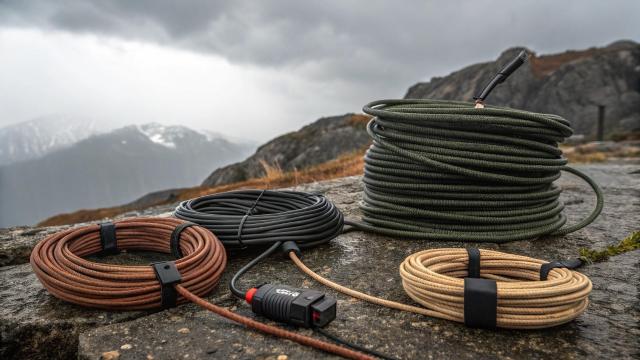
Okay, let’s be real. We’ve all been there. You excitedly set up that awesome backyard speaker system, install security cameras like a pro, or run power for some gorgeous landscape lighting. The picture gets fuzzy, the sound cuts out, or the lights just… stop. You trace the problem, and bam. The cable looks like it’s been through a war zone – cracked, brittle, maybe even letting in water. Sound familiar? The good news? It doesn’t have to be this way. Not every cable throws in the towel at the first sign of sunshine or a snowflake. Some are actually built tough enough to handle what Mother Nature dishes out. Let’s talk about what makes these outdoor cable warriors different, so you can stop replacing them every season!
Meet the Cable MVPs: Built for the Battlefield
So, what separates the wimps from the warriors? Here’s what to look for when cable shopping for the great outdoors:
The All-Important Jacket: Its Raincoat & Sunscreen
This is the cable's first line of defense. Forget flimsy stuff.
- Basic PVC: It’s cheap and common indoors, but standard PVC turns brittle and cracks surprisingly fast outdoors. Just… avoid it for anything long-term outside.
- UV-Resistant PVC: Much better! Think of it as PVC with built-in sunscreen. It holds up decently for above-ground stuff if it’s not getting absolutely blasted 24/7. A solid budget-conscious choice for less intense spots.
- Polyethylene (PE): This stuff is great at shrugging off water and handles UV pretty well. You’ll often see it on cables meant to be buried directly in the dirt.
- The Heavy Hitters (TPE/PUR): These are the champions. Thermoplastic Elastomer (TPE) is super flexible (even when cold!), tough against weather, UV, and scrapes. Thermoset Polyurethane (PUR) is like the bodybuilder – incredibly tough, resistant to oils and nasty chemicals, and performs brilliantly across crazy temperature ranges. If you want the cable to last years, not seasons, look for these jackets.
Keeping the Wet Stuff OUT (It's Sneaky!)
A good jacket is crucial, but water finds ways. Look for extra defenses:
- Gel-Filled: Especially important for buried cables or constantly damp areas. This thick gel blocks water from creeping along the wires inside if the outer jacket does get damaged. Think of it as internal flood control.
- Taped Up: Some cables have special moisture-blocking tape wrapped right under the jacket for an extra barrier.
The Weak Link Killer: Sealed Ends!
Here’s a major point of failure: where the cable meets the plug. Standard connectors are like leaving a window open in a rainstorm. This is where overmolded cable assemblies become your best friend. Instead of just clipping a connector on, the whole connection point is encased in one seamless, super-tough layer of material (like that awesome TPE or PUR). It’s flexible, waterproof, and incredibly resistant to getting yanked or bent at that vulnerable spot.
Handling the Heat (and the Freeze)
Check the cable’s specs for its temperature range. Make sure it covers the absolute highest and lowest temps your area sees. Those PUR jackets? They’re often superstars here.
Special Cases (Like Networking)
Sometimes you specifically need an Ethernet connection outside, requiring a Cable Assemblies/(wire harness) with RJ.5 connector. The crucial part? Don't just grab any RJ.5 cable! Ensure the whole assembly uses outdoor-rated cable AND that the RJ.5 housing itself is properly sealed (look for that IP67 rating!) and has strain relief. The connector type alone doesn't make it outdoor-ready; the entire package needs to be designed for the punishment.
Installation Smarts: Help Your Cable Help You!
Even the best cable benefits from a little TLC during install:
- Dodge the Direct Sun: Route it under eaves, through conduit, or use UV-protective sleeving if it absolutely has to be in full sun.
- Give it Some Slack: Don't pull it tight as a guitar string. Let it have a little wiggle room for expanding and contracting. Use UV-resistant ties loosely – no choking!
- Keep it High & Dry: Don't let it lie in puddles or on constantly wet ground. Elevate it slightly if you can.
- Seal the Deal Where it Enters: Where the cable pierces your house wall or shed? Seal that hole tight with proper waterproof grommets or sealant. This is a prime water entry point!
- Conduit = Extra Armor: In super high-risk areas (like under a driveway or where weed whackers roam), running the cable through conduit adds another layer of protection.
The Bottom Line: Pay Now, Relax Later
Yeah, cables with PUR/TPE jackets, overmolded cable assemblies, or Cable Assemblies/(wire harness) with heavy duty connector cost more upfront than that cheap spool from the big-box store. But trust me, it’s an investment that pays off in massive frustration savings. You replace them far less often, avoid annoying outages, and skip the safety worries of failing wires. When you need something to work reliably outside, choosing cable built for the job isn't just smart, it's essential for your sanity!