
What Makes Redacting Police Video Footage So Time-Consuming?
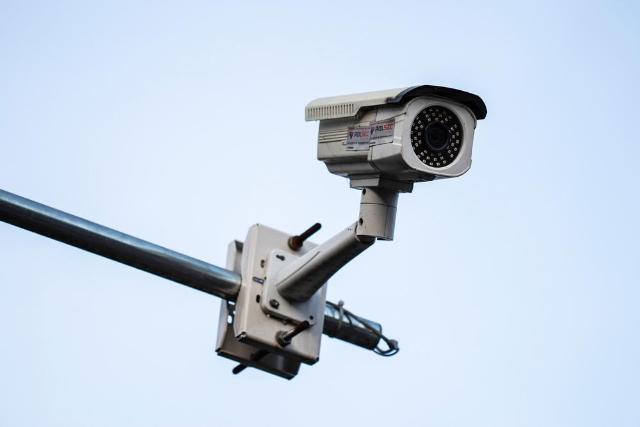
Image Source: depositphotos.com
Police video has become a routine part of public records requests, criminal discovery, internal reviews, and community transparency efforts. Body-worn cameras, dash cameras, interview-room systems, CCTV feeds, and mobile-phone uploads can provide valuable context that a written report simply cannot.
Yet releasing that footage safely is rarely as simple as blurring a face and exporting a file.
A single traffic stop may involve several people, multiple camera angles, sensitive conversations, license plates, computer screens, dispatch audio, and a rapidly changing scene. Multiply that by hours of footage and tight statutory deadlines, and the real challenge becomes clear: video redaction is not merely an editing task. It is a detailed review process involving privacy, policy, technology, and judgment.
Video Contains More Information Than It First Appears
A written incident report is relatively structured. Names, addresses, and other sensitive fields can often be identified through a document review. Video is different. Information is constantly entering and leaving the frame, sometimes for only a fraction of a second.
A person’s face might be visible in a rear-view mirror, reflected in a shop window, or briefly caught in the background as an officer turns. A house number may appear during a patrol-car approach. A vehicle registration could be readable only when the footage pauses at a particular moment.
The challenge of moving targets
In video, redaction has to track the item being protected. A blur placed over a face at the beginning of a clip may no longer cover it a second later because the individual has moved, the camera has shifted, or lighting has changed.
That means reviewers must often work frame by frame, checking whether masks remain accurate during motion, rotation, obstruction, and changes in camera focus. Body-camera footage is particularly demanding because it is inherently unstable. The camera wearer may run, bend down, enter a dark building, or turn toward several people in quick succession.
Even seemingly straightforward footage can contain dozens of separate redaction targets. Those targets may include:
- Faces of victims, witnesses, juveniles, or uninvolved bystanders
- License plates, addresses, identification cards, and medical documents
- Screens showing records-management or dispatch information
- Audio containing names, phone numbers, dates of birth, or private medical details
The volume of information is one reason agencies cannot treat video release as a quick technical conversion.
Privacy Decisions Require Context, Not Just Detection
Technology can help identify faces, text, plates, and spoken words. But identifying something is not the same as deciding whether it should be withheld. That decision depends on the purpose of the recording, the applicable public-records law, agency policy, court orders, and the individuals involved.
For example, an adult arrested in a public place may be treated differently from a child seen standing nearby. A witness’s name might appear in a report, but hearing that person describe a traumatic event on video can raise a different set of privacy and safety concerns. Medical information, domestic violence calls, mental health crises, and footage recorded inside private homes all demand careful judgment.
This is why agencies looking to protect personal information in police footage need workflows that account for more than visible faces. Effective redaction requires a review of what is shown, what is said, who is involved, and what release rules apply to that specific record.
Audio is often the hidden workload
When people think of redaction, they usually picture pixelated faces. Audio can be just as labor-intensive.
Dispatch radio, officer conversations, interview footage, and background speech may include protected information that cannot simply be muted from beginning to end without making the recording unintelligible. Reviewers may need to isolate a few seconds of audio, remove a name or address, and preserve the surrounding conversation.
Audio also creates difficult quality-control questions. Was the sensitive information spoken clearly? Did it appear in a radio transmission under background noise? Was it repeated later in the clip? Missing one spoken detail can undermine an otherwise careful release.
Every Clip Requires Human Quality Control
Automation has improved the first pass of video redaction. Tools can flag faces, track objects, detect license plates, and generate searchable transcripts. These capabilities can substantially reduce manual effort, especially in long recordings with recurring visual targets.
Still, automated detection is not a final legal review.
A system may miss a partially obscured face, mistake a poster for a person, or fail to recognize identifying information on a phone screen. It may also detect information that does not need to be redacted, creating extra work for staff. Human reviewers remain essential for verifying detections, applying exemptions consistently, and ensuring that redactions do not conceal information that should remain available to the public.
Small errors have outsized consequences
Quality assurance takes time because the cost of error can be significant. An incomplete redaction may expose a victim, confidential informant, child, or officer to unwanted attention or risk. Over-redaction, meanwhile, can lead to disputes over transparency and weaken public confidence in the release process.
Reviewers therefore need to inspect the final exported video, not just the editing timeline. They must confirm that blurs follow targets correctly, muted segments cover the intended speech, and no original unredacted media is accidentally included in the release package.
File handling matters, too. Agencies may need to maintain an unredacted master, a working copy, a redacted public-release copy, and documentation explaining any withheld material. Proper version control is less glamorous than video editing, but it is essential.
The Workload Grows Faster Than Footage Length
A ten-minute clip does not necessarily take ten minutes to redact. In a calm, well-lit scene with no protected information, review may be relatively quick. In a crowded nighttime call involving minors, multiple officers, ambulance personnel, and an active dispatch channel, the same ten minutes can take hours.
The workload also rises when requests involve multiple incidents or recordings from several devices. Footage may need to be synchronized, reviewed alongside reports, and assessed for details that only become meaningful when viewed in context.
Agencies can reduce delays by establishing clear release policies, training staff on recurring privacy issues, and maintaining consistent review standards. Technology can support that process by accelerating detection and tracking, but it works best when paired with experienced personnel and defensible procedures.
Ultimately, redacting police video is time-consuming because the footage is rich with real-world detail. That detail is what makes video valuable for accountability and understanding. It is also what makes careful review necessary before it can be shared responsibly.