
What Are the Most Common Password Security Mistakes Small Businesses Make?
Honest to tell, passwords are not the most exciting aspect of running a business. The thing is that they are the only thing between your sensitive data and a person with ill intentions. And still, password protection is among the least considered vulnerabilities of small businesses.
I have witnessed it occur too many times to count. A business owner believes that since he/she is small, he/she is not a target, use Spring2024! in several stories, and one day finds out that their email has been hacked or customer information stolen. The anger and harm that ensues would have been avoided by a few simple modifications.
Using Weak or Predictable Passwords
This one may sound quite self-evident, yet so many companies continue to use such passwords as Password123 or the name of a company and the year that it is in. Cybercriminals know this. They possess advanced technology that is able to break simple passwords within seconds.
The issue is even more severe because the business owners believe that a weak password becomes strong when a special character is added at the end. It doesn't. "Sunshine!" is equally susceptible to the same kind of hackers as "Sunshine"--and hackers are aware of all the typical patterns that people use.
A good password must be long (at least 12-16 characters), random, and unique. Just imagine that you have developed a sort of a secret code to which even you would not guess. By the way, when it comes to codes, you can read about such a tool as the Atbash Cipher, which will provide you with an understanding of how simple substitution functions--however, more advanced password protection nowadays is much more advanced.
Reusing Passwords Across Multiple Accounts
The following is one of the situations that unfolds all the time: a person develops one good password and applies it to every place: email, bank, social media, vendor portals, etc. It feels efficient, right?
But here's the reality. Once any of those services is breached (breaches occur on a regular basis), hackers will have the key to all your other accounts. It is similar to the same key on the house, car, office and safe deposit box.
I understand that it is impossible to remember dozens of special passwords. Password managers come in handy there.
Not Enabling Two-Factor Authentication
Two-factor authentication (2FA) is the introduction of a deadbolt to a door which has a normal lock. And they still cannot get into your account without that second authentication measure, typically a code sent to your phone or generated by an application, even with the person already having your password.
This step is overlooked by many small business owners as they feel that is an inconvenience. However, five more seconds of the login process can save you hours or weeks of post-breach cleanup. Due to the implementation of 2FA, most significant platforms already have it, and all accounts that contain sensitive business information must have it activated.
Sharing Passwords Insecurely
We all have done it, sent a password to a work mate in a text, typed it in an email message, or put it in a sticky note near the computer. Password sharing is also required in small businesses where everybody can play several roles. It is all about how you share them.
It is dangerous to transmit passwords using insecure means such as email or text messages. Such messages may be intercepted, phones may be misplaced and email accounts may be compromised. Rather, encrypted communication tools or password managers, which enable sharing security, should be used.
Ignoring Employee Training
As secure as your least enlightened employee. You may have ironclad practices, but when a member of your team is clicking on phishing links or using qwerty as their password, then you have a problem.
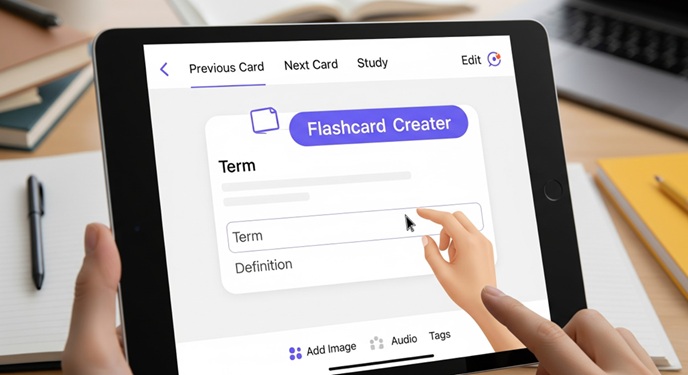
Routine, real life training pays off. It does not necessarily need to be dull and technical. In other cases, the most effective way is interactive, it may even be a digital flashcard creator to make learning about security practices more interesting and memorable to your team. It is the major trick that security awareness must be part of your company culture, rather than a single checkbox.
Never Updating or Rotating Passwords
There are those companies that put passwords and never change them. In 2026, you are still using that password that you used in 2018 to open your accounting software.
The longer a password is kept without being changed, the more possibilities one has to crack a password or steal it. Periodic password change, particularly when the user has administrative access or sensitive information, is something that will shorten your time frame of vulnerability. Establish a timeline, such as every three or six months, to change essential passwords.
Failing to Monitor for Breaches
Hacking is a daily occurrence that is compromising millions of accounts. However, a lot of small business owners are unaware that their credentials are sold in a breach database on the dark web.
Services that check on compromised credentials and notify you when your data is found in a breach exist. Installing these warnings is akin to an alarm system in the home a smoke detector one hopes never to use but is thankful to have. And as you may go through an Online Megabonk Simulator just to relax after work, a few minutes of breach monitoring setup would save you a great deal of headache in the future.
Not Having a Password Policy
In many cases, small businesses do not have a policy of passwords. Each person is doing his/her thing. There are those who have good passwords and those who lack them. No consistency and no accountability.
It does not need a legal team or IT department to develop a basic and straightforward password policy. Simply record your requirements- password complexity requirements, rotation schedules, 2FA requirements and sharing protocols.
Making a step towards enhanced security.
The use of passwords does not need to be intimidating. Begin with the fundamentals - 2FA your most important accounts, stop using the same password, and install a password manager. Then build from there.
Consider that it is like developing good habits, like when you visit a site such as a Best Restaurant Directory when searching to find good restaurants to eat, you are taking some initial time to ensure that you do not encounter any difficulties in the future. Even small, regular changes in the way that you deal with passwords can help you significantly lower your risk.
The reality is that the small businesses are often the targets of cybercriminals due to the assumption that their security is not going to be high. Don't make their job easy. Your business, your data, and your customers deserve better protection than "Password2024!"