
The Ultimate First-Timer's Guide to Visiting the Alps
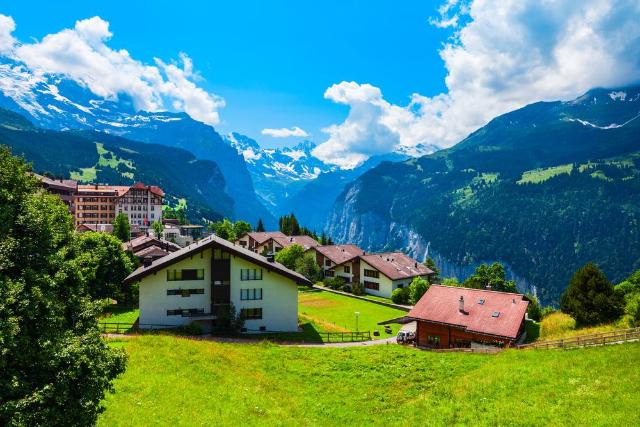
Image Source: depositphotos.com
It's easy to get lost in a dreamlike haze upon your first visit to the Alps. With its majestic mountains and castles, crystalline lakes and lakes, quaint towns, and daily excursions, this is a playground like no other - all in a dreamlike setting that renders you pinching yourself to wake up. Covering eight different countries and having a unique footprint wherever you go, the Alps present endless opportunities for energy-releasing winter sports and cozy indoor retreats during the colder months and hiking, excursions, train rides, spas, and cultural explorations across centuries of historical relevance in summertime. Therefore, it's easy to be overwhelmed upon your first visit. Luckily, a detailed guide covers when to visit, where to stay, what to eat, and what to pack.
The Alpine Seasons - When's The Best Time to Go?
When you book your trip to the Alps, know that they are an incredible spectacle year-round. Denver international to Aspen offers a similar year-round mountain appeal in the U.S., where each season transforms the experience just as it does in the Alps. Each season boasts a different ambiance, different activities, and drastically different settings. Winter's the perfect opportunity for first-time visitors looking for the quintessential snow-capped mountain experience, bustling ski resorts, cozy chalets and après-ski vibes. Come spring, valleys of wildflowers blossom, villages are more subdued, and light air lends itself to easy walks and even easier driving. Summers are active hiking, biking, swimming in the lakes, festivals; there's never enough time to do everything. Fall is blissfully quiet with changing leaves and comfortable temperatures, making the scenery even prettier than it already is. Understanding what each season has to offer allows you to select travel dates to match your interests for your first trip to feel as though it happened at just the right time and is incredibly worthwhile.
Picking the Right Region for Your First Time in the Alps
As this mountain range spans across many countries, finding the right region helps set the overall tone of your first trip. For example, travelers going to Switzerland can anticipate precision, postcard-perfect scenes and the Matterhorn and Eiger peaks. France gets dramatic landscapes with internationally acclaimed ski resorts; towns sit on the French border filled with excellent French cuisine. In Austria, expect the friendliest hospitality among stunning lakes and traditional villages. In Italy, experience true Alpine beauty with a hint of Mediterranean magic; vibrant culture, rustic cuisine, and sunlit mountain towns satisfy guests in equal measure. Even Germany and Slovenia offer great value in quieter regions of the Alps that wow just as much, if not more. Understanding where you want to go helps make your first trip feel special as each country has its character.
Finding the Right Type of Accommodations for the Authentic Alpine Experience
For first-timers, accommodations help enhance or detract from the overall experience. Picture charming chalets made of wood boasting beautiful balconies, fireplaces and access or views of mountains that become your home for a week. Luxurious escapes consist of panoramic lodges and spa hotels with saunas, thermal pools, and floor-to-ceiling windows showcasing dramatic landscape after dramatic landscape. Families might appreciate apartments or ski-in/ski-out chalets in winter for ease of accessibility. Still, more remote travelers might enjoy off-the-beaten-path guesthouses or eco-lodges hidden in quiet valleys. Whatever works best for you will add to your cozy home base atmosphere to explore what these mountains truly have to offer.
Where the Alps Transport Residents and Visitors Year-Round
Transportation in the Alps isn't merely functional but part of the charm. Many first-time visitors are pleasantly surprised by how easy and scenic it is to get from one alpine destination to another. Trains like the Glacier Express, Bernina Express, and GoldenPass Line boast views of glaciers, gorges, and cozy cities. Cable cars and gondolas whisk riders high above valleys and to near-peaks that only experienced hikers would otherwise reach without much effort. Buses are reliable, connecting even the most remote towns to bigger cities. While driving is possible for those who want more flexibility, mountain roads can be narrow and steep, so confidence and caution are encouraged. By combining trains, buses, and lifts, a first-time visitor can feel comfortable traversing these mountain roads with views they've never before experienced along the way.
Determining What You'll Do Based on the Season and Your Comfort Level
There's something in the Alps for everyone - from novice doers to seasoned adventurers. In winter, skiing or snowboarding is practically a must, but with onsite instructors who understand how to acclimate new skiers to the slopes and runs, it's not too challenging to find good spots for beginners. If no interest lies with skiing, snowshoeing, winter hiking, sledding, and ice skating can be great alternatives. In summer, trails abound, with easier (less arduous) valley treks leading to more complex explorations at higher altitudes. Swimming in glacial lakes, kayaking, paragliding, biking downhill, and picnicking in vibrant meadows are additional possibilities. The Alps welcome curiosity for those willing to explore regardless of skill level. While requiring physical abilities in parts, playing it safe by sticking with beginner courses keeps the experience reinvigorating rather than disheartening.
The Alps' Culinary Delights as a First-Timer
Culinary specialities are some of the most memorable when visiting the Alps for the first time. This part of the world has particular ingredients and flavors one must try while visiting - who knew Switzerland had such great cheese!? Depending on one's region explored - Swiss fondue, French raclette, Austrian käsespätzle, Italian polenta or German dumplings might take center stage. Guests can enjoy mountain cheeses paired with meats and starches from freshly baked bread to seasonal soups. From herbs and mushrooms infused into delicious dishes to melt-in-your-mouth pastries with local dairy products, it's important to note that many family-run establishments that frequent these mountains boast home-cooked meals as part of their charm. Dishes might not be cheap, but guests must understand that they're investing in their experience, especially when sitting in rustic lodges with views they've never before seen with culinary masterpieces they will never see anywhere else again.
Weather Patterns and the Need to Pack for Comfort in the Alps.
One thing that surprises first time travelers is how it can be cold one day and warm the next - or even in the same day! To illustrate, summers can have chilly mornings and warm afternoons, meaning travelers need to not only pack accordingly but layer up. Temperatures are naturally cooler in the mountains, so bring your baselayers, insulating mid layers and waterproof outer gear for any season or occasion. Comfortable but durable walking shoes are necessary as well, with sunblock, sunglasses and a refillable water bottle a must for summer activities. Similarly, winter requires the same packing savviness with thermals, snow gear and weatherproof gloves, scarves, hats and boots. Ideally, pack for daily smaller excursions - especially day hikes - so you can have a small backpack with snacks or extra water on hand. The more basics you have the less concerned you will be about potentially not being able to spend as much time outside enjoying the fresh air for fear of discomfort from the weather.
The Hospitality and Culture of the Villages and Mountain Life.
Many first time visitors are surprised just how hospitable the villages are in the Alps and how much culture exists beyond mountain ranges and valleys. For example, experience folk music and seasonal festivals or artisanal crafts with local museums and celebrations that detail the historical relevance of certain villages to how they've transitioned through time to accommodate residents and tourists alike. Such traditions and more make the Alps seem like more than just a natural wonder but instead, a place where families have settled down for generations to come. For example, locals engage in transhumance (movement of livestock based on summer and winter pastures), wood carving or even traditional costume days which expose outsiders to just how much mountain life is proudly shared by local townspeople. Therefore, as a tourist, you might just as well be a part of this community - even if temporarily - and relish the magic more than you would have ever thought your first time there.
A Happy Balance Between Adventure and Rest.
It's easy to become overwhelmed your first time in the Alps with all there is to see, hear and do - but one thing for certain is that a happy balance can be struck to ensure an even-keel experience. With so many wellness opportunities - thermal baths, saunas, spas and outdoor pools - who would turn down a chance to wind down and pamper oneself? Cafes sprinkled throughout the mountains and villages provide an intimate connection with great opportunities for introspective gazes out into expansive valleys while sunset walks, leisurely mornings or simply lounging in accommodations reading by night all afford one the time needed to catch up with wanderlust feelings. Therefore, since it's your first time in the Alps - make memories at your own pace and don't feel rushed; it's too special of an opportunity for that.
Planning with a Flexible Itinerary for Optional Exploration
Part of the joy of first visiting the Alps is all there is to see but also little surprises that make moments even more memorable. While planning bigger excursions and day trips might be beneficial, leaving a little wiggle room for smaller, ad hoc discoveries often leads to the best parts of the trip. Maybe you discover a hidden lake, a small village festival, or an unbelievable viewpoint or bakery that wasn't in any guidebook. This is why travelers should take their time and be open to the natural explorative parts of the journey. When traveling through mountains, there are always magnificent sights that reveal themselves if you're willing to slow down and take it all in.
Preparation for Alpine Heights and The Comfort of Adaptation
An elevation adjustment is another integral part of making the most out of a first visit to the Alps. Different towns and resorts are at different elevations. Some are at very low altitudes, and some resorts, villages, and mountain tops are significantly higher than sea level. Thin air can make breathing more rigorous, drain your energy, and leave you feeling dehydrated without reason. When traveling to a new country for the first time and you have a honeymoon period of 24-48 hours before any real excursions, the best bet is taking it easy on your first day to allow your body to acclimate naturally. This can include drinking a lot of water (more than usual), cutting out strenuous activity and excess effort until comfort returns. Some people recommend eating light meals or enjoying herbal teas and short walks during these first two days to aid comfort. Therefore, respecting your body and its pace will aid transition into adjusting to all the other sights and sounds of alpine living without issues arising.
Breathtaking Routes Through the Alps You May Not Expect
Getting there is half the battle - at least when traveling in the Alps. Whether through breathtaking scenic routes overpass gorgeous peaks or stunning lakeside rides across vibrant blue waters, traveling is just as much part of the experience as arriving at final destinations. The Alps have many national roads (and trains, cars, buses, and cable cars) that transport visitors through just as picturesque scenery as awaited destinations. Documented drives like Switzerland's Furka Pass, Italy's Dolomites drives or Austria's Grossglockner High Alpine Road provide cinematic scenery at every turn; some less-known regional roads make it so that one stop starts to feel like a postcard. For first-time visitors, it's good to weave these routes into the trip so that it feels as if they've arrived already before arriving.
Preparing for Cultural Differences and Regional Etiquette
The Alps span multiple countries with varying languages, traditions and sociocultural mores. Thus, as a one time (and probably only time visit), it's nice to know a few general things like how to say hello - "Grüezi" in Switzerland, "Servus" in Austria and "Buongiorno" in Italy. There also is a fundamental connection to nature which means tourists are favored to not be intrusive upon the nature scape and respectful low and quiet walking in towns and communities favored over trampling through the sacred elements that make villages worthwhile. For example, dinners might be served earlier or a small lodge may only have a fixed menu. In addition, many towns throughout the Alps are eerily quiet on Sundays with shops closed as well as a greater emphasis on family time for those who have their day off, which means such towns are not intrusively busy from those getting the day off. This encourages strong multicultural awareness for travelers to be in tune with these cultural distinctions and value them not only for respect but for gaining the greatest value from travels by achieving the most immersive experience.