
The Superior Long-Term Investment for Municipal Planners: Solar Street Lights or Traditional Systems?
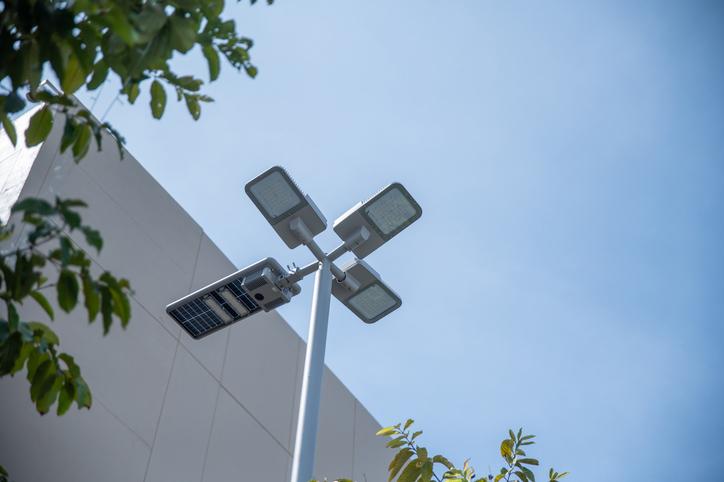
Smart, green infrastructure is becoming the norm for municipalities across the globe, and public lighting is one of its critical components. Solar street light systems are becoming increasingly popular as a cost-effective and sustainable solution compared to traditional street lighting systems. For municipal planners, the decision of choosing between both technologies is extremely important in terms of long-term returns on investments.
In this article, we compare traditional street lighting with all-in-one solar solutions with respect to their durability, total cost of ownership, environmental impact, and flexibility of implementation and usage. With the growing availability of wholesale solar street light solutions, strategic foresight is essential for long-term infrastructure planning.
All-in-One Solar Street Lights and Traditional Street Lights: The Basics
A traditional street light typically comprises a light pole, a HPS lamp and/or metal Halide lamps. These systems are conventional and require centralized sources of power plus utility-sustained recurring expenses. Maintenance tasks related to the upkeep of these systems include replacing burned-out bulbs, fixing electric faults, and repairing broken-down infrastructure.
On the other hand, an all in one solar street light features a compact design that houses the solar panel, LED lamp, controller, and battery in one unit. These lights are off-grid unit autonomously running systems, charging during the day and illuminating at night with stored solar energy. Such an arrangement considerably lessens the requirement for civil works, shadow works, and perpetual upkeep.
This is why many public authorities are now looking at purchasing wholesale solar street lights for integration into new projects and retrofits into existing infrastructures, expanding energy-efficient solutions for public illumination.
Total Cost of Ownership and Budget Optimization
While traditional lighting systems may appear to be more economical due to their lower equipment costs, they often lead to significant long-term expenses, such as:
- Electricity expenditures for grid consumption
- Electrical maintenance and inspection labor costs
- Trenching and cabling expenditures for initial setup
- Outdated or failing bulb replacement costs
Compared to traditional systems, all in one solar street light systems may come with a slightly higher initial investment, but, they quickly offset these costs through:
- Full solar-power
- Low to zero maintenance
- Quick and affordable installation
- Managed battery efficiency paired with increased LED lifespan
Sole proprietorships and municipalities looking at large-scale lighting deployments often turn to wholesale solar street light suppliers to reduce per-unit costs and return on investment. When examining the complete life cycle of lighting systems—usually 10 to 15 years—the value solar solutions provide becomes apparent.
Additional Installations and Infrastructure Considerations
For conventional street lights, preliminary groundwork is essential, including the digging of cable trenches, connection to the power grid, and stabilizing power supply systems. This undertaking is a lengthy one—temporarily halting traffic and disrupting surrounding infrastructure. In the developing world, lack of reliable access to grid power renders traditional systems impossible.
In contrast, all in one solar street light units are easy to deploy. The only step for installation is securing the pole and affixing the light unit—it requires no transformers, wires, or connections to a power grid. This is advantageous for:
- Remote or rural communities
- Emergency or disaster recovery response areas
- Historic areas where underground work is limited
- Temporary construction or event sites
These areas greatly benefit from the simplicity of deployment.
For budget-strapped city planners, solar powered lights greatly reduce long term maintenance spending, while providing unparalleled accessibility.
Long-Term Reliability and Maintenance Requirements
Maintaining public lighting systems is an underestimated cost. Public lights, for example, incur significant upkeep costs. Traditional lights require periodic lamp replacement, regular inspections, and power fluctuation or short-circuit monitoring. The older technologies, such as HPS, also contribute to light pollution and reduced performance over time with rapid degradation in quality.
Maintenance requirements for all in one solar street light systems are drastically lower when compared to other options. The all-in-one design reduces the number of moving components and the risk of mechanical failure. Most models come equipped with long-life (5 to 8 years) lithium-ion batteries, as well as LED lights that are rated for over 50,000 hours of operation. Advanced smart features such as remote monitoring, motion sensing, and automatic dimming maximize system health and efficiency.
Choosing a trusted wholesale solar street light supplier provides access to specialized models that can withstand harsh conditions, are capable of longer battery life, and have modular enhancements. These rugged characteristics make solar lights more cost-effective for planners looking to minimize upkeep on public works.
Advantages from Environmental and Regulatory Standpoints
Municipal infrastructure in today's world has to comply with highly rigorous ecological guidelines. Conventional street lights are some of the most power intensive devices and further add to the problem of carbon footprint when powered by fossil fuels.
Conversely, advantages of using solar street lighting systems include:
- Solar energy enables the reduction of greenhouse gas emissions.
- Supports smart city initiatives and green building certifications.
- Enhance public perception of sustainability endeavors.
Many governments have subsidies, tax breaks, or grants set aside for clean energy infrastructure; therefore it’s not only environmentally viable, but economically as well, when transitioning to all in one solar street light systems.
Moreover, municipalities partnering with wholesale solar street light providers can frequently acquire systems that meet national and international standards such as, IP rating for waterproofing, CE/IEC certification, and the use of recyclables, bolstering public support while adding legitimacy to the project.
Conclusion: Making the Smarter Investment
Lower-prices remain appealing to a few municipalities, but when looking at the bigger picture, the comprehensive analysis strongly suggests all in one solar street light systems to be more beneficial when looking at energy efficiency, ease of installation, expected performance, and environmental impact over time.
As the solar field advances, the economic advantages will only increase. B2B buyers, which include municipal planners, urban developers, and infrastructure consultants, are recommended to acquire wholesale solar street light stocks in bulk to optimize cost-efficiency while providing sustainable lighting infrastructures.
At the end of the day, adopting solar power technology is not only an environmentally friendly project. This changes the matter entirely—it's a progressive and cost-effective measure that safeguards municipal lighting infrastructures for many, many years.