
Securing remote military operations with effective cybersecurity strategies
Cybersecurity is a vital aspect of remote military operations, where the stakes are high and the environments challenging. Implementing effective cybersecurity strategies is essential to protect sensitive data and ensure the success of missions. This article explores key strategies and technologies to safeguard these operations.
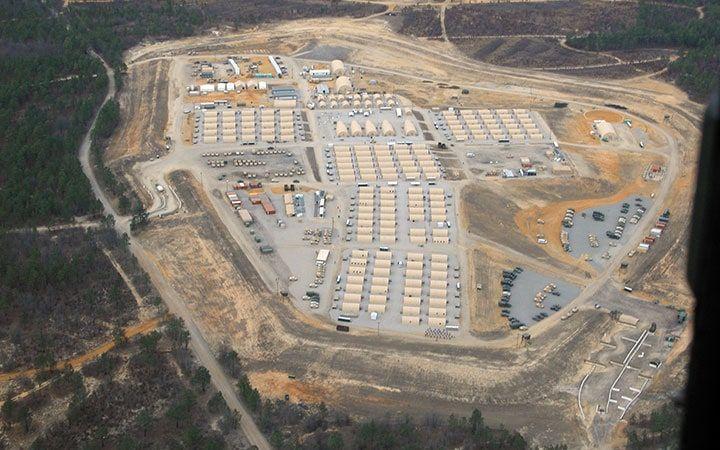
Remote military operations face unique cybersecurity challenges that require specialized strategies. The isolated nature of these locations can limit access to resources and infrastructure, making them vulnerable to cyber threats. Implementing robust cybersecurity measures is crucial to protecting sensitive data and ensuring operational success. A turnkey base camp often includes necessary facilities and technologies, but without proper cybersecurity protocols, the risk of breaches remains high.
Understanding the threat landscape in remote operations
The cybersecurity landscape for remote military operations presents distinct challenges. These include common threats such as data breaches, unauthorized access, and cyber espionage attempts. Attackers often target these operations due to their valuable data and strategic importance. Understanding these threats is vital for developing effective defense mechanisms.
Remote locations are particularly vulnerable due to limited infrastructure and resources. These constraints can lead to insufficient security measures, making it easier for adversaries to exploit vulnerabilities. Furthermore, the lack of immediate access to technical support can exacerbate the impact of any cyber incident. Recognizing these vulnerabilities allows you to tailor your cybersecurity strategies accordingly.
Another critical aspect of the threat landscape involves insider threats and human error, which can be particularly problematic in remote military settings. Personnel operating in isolated environments may inadvertently compromise security through improper handling of classified information or failure to follow established protocols. Social engineering attacks, where adversaries manipulate individuals into divulging sensitive information, are increasingly sophisticated and difficult to detect. Training personnel to recognize these threats and maintaining strict access controls are essential components of a comprehensive security strategy. Additionally, the extended duration of remote deployments can lead to security fatigue, where vigilance naturally decreases over time, creating windows of opportunity for potential attackers.
Key cybersecurity strategies for protection
Implementing robust cybersecurity measures is essential in safeguarding remote military operations. Network segmentation is a fundamental strategy that limits an attacker's ability to move laterally within a network. Encryption ensures that sensitive data remains secure even if intercepted during transmission.
Multi-factor authentication (MFA) adds an extra layer of security by requiring additional verification beyond passwords. Continuous monitoring and threat detection are critical in identifying suspicious activities early on. By deploying these strategies, you can significantly enhance your cybersecurity posture and reduce the risk of successful attacks.
Regular security audits and vulnerability assessments form another cornerstone of effective cybersecurity protection in remote operations. These systematic evaluations help identify weaknesses in your security infrastructure before adversaries can exploit them. Implementing a zero-trust architecture, where no user or device is automatically trusted regardless of location, provides an additional security layer particularly suited to remote environments. Patch management and timely software updates are equally critical, as outdated systems often contain known vulnerabilities that can be easily exploited. Establishing clear incident response protocols ensures that when breaches do occur, your team can react quickly and effectively to minimize damage and restore normal operations.
Leveraging technological solutions for enhanced security
Adopting advanced technological solutions can greatly improve cybersecurity in remote military operations. AI-driven threat detection systems are effective at identifying potential threats before they can cause harm. These systems analyze vast amounts of data in real-time, providing valuable insights into potential vulnerabilities.
Secure communication platforms ensure that sensitive information is transmitted safely between personnel and command centers. Integrating these technologies into existing military infrastructure requires careful planning and execution. However, the benefits of enhanced security far outweigh the challenges involved in implementation.
Learning from successful examples
Analyzing successful implementations of cybersecurity strategies in remote military operations provides valuable insights. These examples highlight best practices and lessons learned from addressing specific challenges. For instance, some operations have successfully integrated AI-driven solutions to enhance threat detection capabilities.
The experiences gained from these real-world applications emphasize the importance of proactive cybersecurity measures. By learning from others' successes and adapting those strategies to your context, you can better protect your own operations against emerging threats.