
Protective Screen Solutions: A Comprehensive Guide
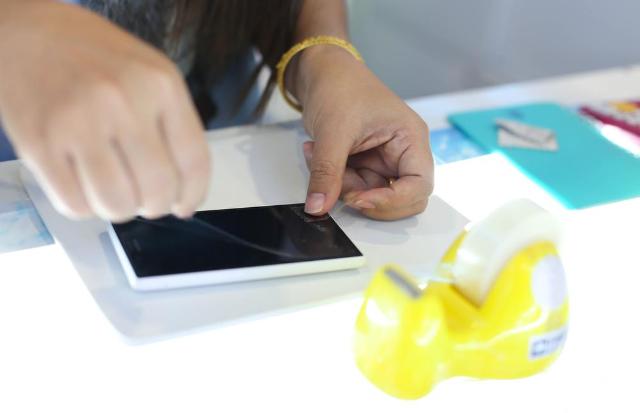
Image Source: depositphotos.com
Protective screen solutions are vital in the modern world where electronic devices play an integral role in daily life. Whether using a smartphone, tablet, or laptop, it is essential to maintain the device's integrity and longevity through proper protection mechanisms.
Screen protectors are among the most popular and effective methods for safeguarding devices. These thin layers provide an additional shield against potential damage, including scratches, impacts, and other abrasions that may occur during regular use.
Importance of Device Protection
The need for screen protectors stems from the expensive nature of electronic devices. Many devices feature advanced technology that can cost a considerable amount to repair or replace. Screen protectors offer an affordable means to extend the life of these devices, preserving both functionality and aesthetics.
Investing in a quality screen protector not only safeguards the device but also maintains its pristine condition, aiding in better resale value. Additionally, screen protectors help prevent small accidents from becoming costly repairs.
Types of Screen Protectors
Screen protectors come in various materials, each offering distinct benefits. Some of the commonly used materials include tempered glass, PET film, TPU, and liquid screen protectors.
Tempered glass protectors are renowned for their robust protection and clarity. These protectors offer a glass-like feel that closely resembles the natural screen surface. PET film protectors provide basic scratch protection and are often more budget-friendly.
TPU protectors are flexible and can cover curved screens, offering comprehensive protection. Liquid screen protectors are an emerging choice, providing scratch resistance and a seamless experience, although they lack the impact resistance of other types.
Benefits of Screen Protectors
Screen protectors are primarily valued for their protective capabilities. By adding an extra layer, they effectively absorb the impact from drops or knocks, thereby preventing direct damage to the device's screen.
Apart from impact protection, Screen Protectors also help in reducing glare and preventing fingerprint smudges. Anti-glare protectors minimise eye strain by diffusing reflective light, which can be beneficial for those using devices extensively.
Privacy screen protectors are particularly useful in maintaining confidentiality, as they restrict the screen view to the user, ensuring information remains protected from prying eyes.
Choosing the Right Screen Protector
Selecting the appropriate screen protector depends on several factors, including the device type, the level of protection required, and personal preference. Users must evaluate the balance between screen protection and usability.
Consider the environment in which the device is used. In demanding settings, where drops or impacts are more likely, robust options like tempered glass may be preferable. For general use, standard protectors often suffice in providing adequate protection.
Application and Maintenance
Correct application of a screen protector is integral to its effectiveness. It is advisable to clean the screen thoroughly before application to prevent air bubbles and dust particles from getting trapped.
Maintenance involves routine cleaning and checking for signs of wear or damage. Periodically replacing the screen protector ensures maximum protection and performance over time.
In summary, screen protectors are a critical accessory for anyone wishing to preserve their electronic devices. They offer an affordable and effective method of protection against potential screen damage, maintaining device longevity and usability.