
From Planning to Execution: All the Elements and Behind-the-Scenes of a Live Event
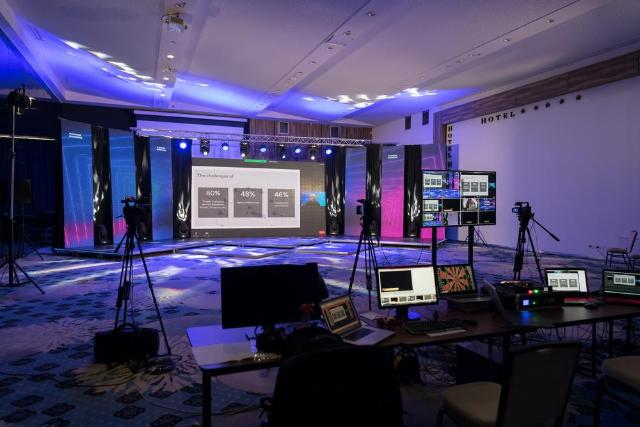
Image Source: depositphotos.com
Organising a live event entails a lot of work. It requires more than what the audience sees on screen and on stage. Behind it, sharp visuals, crystal-clear audio, a strong internet connection, and a perfectly rehearsed performance run the show.
From pre-production to problem solving, live event production is all about creativity, teamwork, and technical skills. Here’s what goes on behind the curtain when you want to create live events.
The Importance of Meticulous Planning
Every live production won’t begin without a plan. Pre-production is the foundation that supports the entire production process.
Planning a Melbourne event video production is a long journey. And if you’re doing it, take the following into consideration:
- Goals and key messages: Define the key takeaways you want your target audience to gain from the event and what you want to achieve.
- Choose the venue: Consider accessibility, acoustics, and lighting of the place for your remote audiences.
- Plan the setup: Test your cameras, lighting, hardware encoders, and sound systems, and put them in places where they are most useful around the venue.
- Assign roles: Everyone must know their role, from sound engineers to cameramen.
Building the Right Production Team
Your team plays a huge role in bringing your event to life. Whether you’re mounting a corporate event, music festival, or corporate conference, a strong team with technical expertise helps you pull off a successful event.
Work with these people:
- Event producers: They oversee the event production process and align the event with business goals.
- Lighting technicians: They create the visual appeal of the event, enhancing focus and mood.
- Audio mixers and sound engineers: They’re responsible for providing clear audio for in-person attendees and live streaming events.
- Camera operators: They capture footage for professional recordings and live broadcasts.
- Stage managers: They coordinate with speakers, the entire session, and on-stage transitions.
Working with these people, especially if they’re from video production teams such as Dream Engine, ensures that every moment is sonically and visually perfect.
Managing Technology and Equipment
Technology is a powerful tool in live event production, but it can also bring challenges you never expected to happen on any given day. You should be able to strike a balance between creativity and functionality when handling equipment.
Some of the common tools and setups are:
- Lapel microphones: These provide consistent sound quality for speakers and mobility when moving from one place to another.
- Lighting setups: Lights help set the mood and bring the audience’s attention during the event’s highlights.
- Professional cameras: To keep videos in high quality.
- Audio mixers: These tools balance the sound between effects, presenters, and music to create a cohesive and engaging audio experience.
- Hardware encoders: They ensure a stable and smooth live streaming.
Technicians perform multiple test streams and rehearsals on various platforms to minimise risks of technical errors. They also use password-protected streams in pre-production to test video production settings privately.
Keeping Audiences Engaged in Real Time
During the live broadcast, audience interaction is also important, just like the content. Interactive elements draw viewers into the action, even when they are in different locations.
Keep them engaged by:
- Being active in live chats and holding Q&A sessions.
- Using lower thirds to highlight speaker names and key messages.
- Adding in-stream advertisements or sponsor shoutouts during event breaks.
- Including polls or comment prompts.
- Using animation and dynamic overlays to avoid static visuals.
The one-way broadcast can feel like a two-way experience when the audiences are included from start to finish.
How to Handle Technical Glitches and Unexpected Challenges
Technical issues can still arise despite meticulous planning. Audio dropouts, a sudden power interruption, or a buffering live stream can disrupt an event.
Technicians and event producers need to act quickly during these times. Redundant systems, backup equipment, and solid problem-solving skills keep things running smoothly.
Common issues and solutions include:
- Stream lag: Check your internet connection and hardware encoders to see if there are issues with them.
- Audio drops: Prepare multiple sound systems and lapel microphones prior to the event.
- Camera failure: Keep spare professional cameras and cables ready before setting up the venue.
- Poor lighting: Reroute power or adjust lighting setups.
When unexpected things happen, you must keep calm, communicate with your team, and fix issues before anyone from the audience notices that something is off. The show must go on, no matter what.
Delivering High Quality Content Across Multiple Platforms
Live events today go beyond the venue—they connect with international audiences. Modern technology makes it possible for live broadcasts to be streamed to viewers all around the world through YouTube Live, Facebook Live, and other platforms.
Here’s how you can do multi-platform streaming:
- Optimise video quality, bitrate, and sizes for every platform.
- Add captions and subtitles.
- Monitor live chats to engage with global audiences.
- Analyse the metrics after the event to measure its impact.
Live streaming the event brings people from different continents together in one place, making the event impactful even for remote audiences.
Post-Event Review: Learning from Mistakes and Improving Future Events
The work isn’t done even if the cameras stop rolling. The whole team needs to review the entire event production to refine upcoming events.
The key steps include:
- Evaluating if the event’s impact goals were met and how it was done.
- Identifying recent technical issues and creating backup plans in case they happen again.
- Review the video production quality to identify any lapses in audio and visual quality.
- Get feedback from the rest of the team, clients, and audience.
This review stage strengthens production techniques to deliver smoother and more impactful events.
Final Thoughts
Live event production connects people both online and offline. From pre-production to the final live broadcast, every detail is worth looking into.
Events become memorable when the production team has a creative vision and the technical precision to make it happen, leaving a lasting impression on everyone who has witnessed them.