
How Professional Photography Has Changed Over the Last Decade
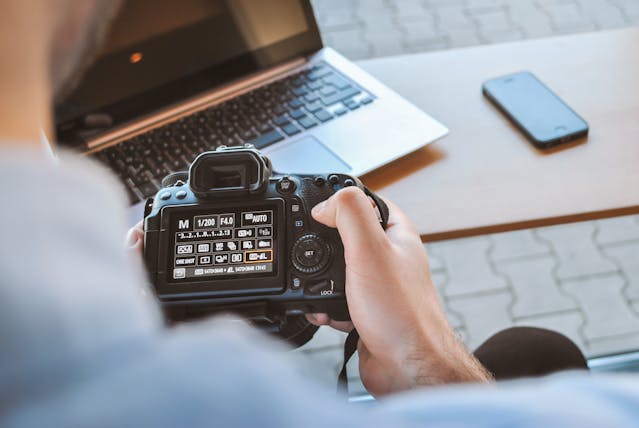
Over the past decade, professional photography has undergone a significant transformation, driven by technological advancements and evolving client expectations. The shift from traditional DSLRs to mirrorless cameras has provided photographers with lighter, more versatile tools, enhancing mobility and efficiency on shoots. Simultaneously, the rise of computational photography, particularly in smartphones, has empowered amateurs to capture high-quality images, increasing competition in the industry.
Artificial intelligence has further influenced photography, streamlining editing processes and enabling features like background removal and facial recognition. While these tools have improved workflow efficiency, they also challenge photographers to maintain authenticity in their work. In response, there's a growing appreciation for genuine, unfiltered images that convey real emotions and stories.
Photographers like GornPhoto have adapted to these changes by focusing on capturing authentic moments during corporate events. Their approach emphasizes storytelling through images that reflect the true essence of an event, as seen in their portfolio at https://www.gornphoto.com/corporate-event-photography. By prioritizing genuine interactions over staged shots, they meet the contemporary demand for relatable and trustworthy visual content.
In essence, while technology has introduced new tools and challenges, the core of professional photography remains unchanged: capturing meaningful moments that resonate with audiences.
From Stiff Poses to Natural Shots: A Shift in Style
In the past, professional photos often meant stiff poses, forced smiles, and rigid posture. People were told to stand still, look straight, and keep things formal. But over time, the style has shifted. Today, natural, relaxed images are more in demand — especially in business photography.
This change reflects a broader desire for authenticity. Clients want to look approachable and real, not overly polished or robotic. Instead of stiff poses, photographers now guide people through subtle movements: a shift in weight, a natural smile, a quick glance away from the lens. The result feels more like a moment than a performance.
This style works well in corporate settings, too. A genuine expression can connect more easily with clients or partners than a staged one. As a result, modern photography focuses on mood and comfort as much as technical precision.
The shift toward natural shots helps people feel seen as they are — and that’s what makes a photo resonate.
What Today’s Clients Expect From a Modern Photographer
Today’s clients expect more than just someone who can operate a camera. They’re looking for a modern photographer who brings professionalism, adaptability, and a clear understanding of what the client needs. That starts with communication — clients appreciate someone who asks questions, offers suggestions, and helps plan the shoot from start to finish.
Timeliness and efficiency matter, too. From scheduling to delivering final images, clients want the process to feel smooth and organized. They also expect high-quality results that align with their brand or personality, whether it’s a set of business headshots, event photos, or creative portraits.
Modern clients often prefer a relaxed, natural look over posed perfection. That means photographers need to help people feel comfortable in front of the camera, offering gentle guidance without making it feel like a photoshoot.
In short, clients expect a mix of skill, service, and connection. The best modern photographers know how to deliver all three in a way that feels easy and human.