
How Drones Are Revolutionizing Construction Site Management
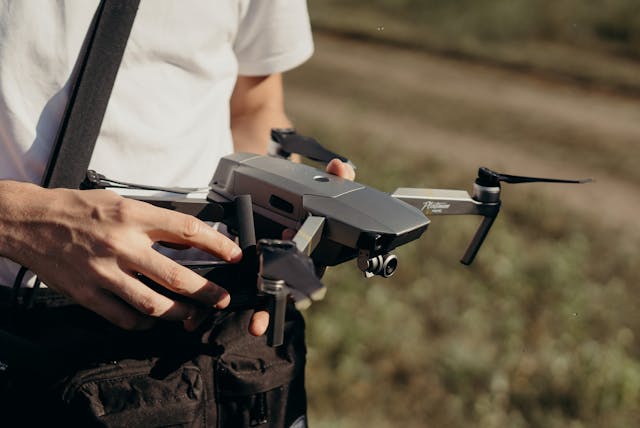
Discover the method to save time and money while protecting workers on construction sites?
Recent years have seen drones bring about complete transformation to construction site management practices. Construction drones perform tasks which include land surveying, project monitoring and ensuring worker safety.
Construction companies have traditionally resisted adopting modern technological advancements. But drones? The construction sector has accepted drones with the enthusiasm of someone savoring a refreshing cold beverage when it's sweltering outside.
Why? The benefits provided by drones make them impossible to ignore for construction projects.
This article presents the essential information about how drones transform construction processes while showcasing their benefits and explaining why construction businesses need to adopt this technology before competitors overtake them.
Inside This Guide:
- The Drone Revolution in Construction
- Key Benefits of Drones on Construction Sites
- Real-World Applications Making a Difference
- Challenges and Limitations to Consider
- Future Trends in Construction Drone Technology
The Drone Revolution in Construction
Historically the construction sector has shown slow adoption rates towards new technological advancements. Many construction professionals choose to rely on established practices instead of taking chances on new technologies that could disrupt their project timelines.
But drones? They've been different.
The construction sector has rapidly adopted drone technology due to its significant and direct advantages. The drone survey market generated revenues of $1.384 billion during 2023 according to the latest available data.
It's not just the big players, either. Small construction firms are discovering practical methods to implement drone technology. The american drone company Wispr Systems has been making waves by providing affordable drone solutions tailored for construction sites of all sizes.
Drones stand out because they deliver rapid and secure aerial observations of locations. Sussex surveyors use drones to reach inaccessible areas and collect critical data that engineers can analyse almost instantly.
The market value for construction drones reached $3.9 billion in 2023 and analysts predict an annual growth rate above 8.5% in future years. These flying machines demonstrate their revolutionary impact through significant market growth.
Key Benefits of Drones on Construction Sites
Construction companies are rushing to integrate drone technology because it offers numerous benefits. Here are the game-changing benefits they're experiencing:
Massive Time Savings
Construction projects benefit from using drones because they save valuable time which translates to financial savings. Where surveying methods used to require several weeks to finish tasks can now be completed by drones within 1 to 4 days.
Here's what that looks like in practice:
- A single drone operator can complete land surveying tasks that previously required several surveyors to take days or weeks within hours.
- Drones allow project managers to obtain extensive site progress footage without needing to walk across the entire project area.
- Drones enable structural inspections that once needed scaffolding and several days to finish within a much shorter time frame.
Dramatic Cost Reduction
Through drone adoption construction companies have achieved approximately 25% project cost reductions. How? Project teams achieved financial savings through labor expense reductions while simultaneously decreasing errors and avoiding costly rework tasks.
Think about it:
- Fewer man-hours needed for surveying and inspections
- Many projects no longer require scaffolding equipment for operations.
- Implementing error detection at early stages helps prevent costly issues from emerging.
- Reduced downtime during inspections
Enhanced Safety Measures
Construction sites are inherently dangerous places. Worker safety has advanced because drones prevent people from entering dangerous work areas.
- Drones enable construction inspections of tall structures without exposing workers to elevated risks.
- Using drones to assess unstable areas eliminates the need to send workers into dangerous locations.
- Real-time monitoring of site conditions helps to identify potential hazards before they develop.
- Inspecting areas with hazardous materials or conditions
Unmatched Accuracy
High-resolution cameras and LiDAR sensors mounted on drones achieve up to 1 cm accuracy when conditions are optimal. This precision translates to:
- More accurate measurements for planning and design
- Better quantity estimations for materials
- Earlier detection of plan deviations
- Improved progress tracking and reporting
Real-World Applications Making a Difference
Drones provide practical solutions to everyday construction site challenges beyond their impressive technological appeal. These examples illustrate the most effective ways drones enhance construction site operations.
Site Surveying & Mapping
Drones generate comprehensive topographical maps along with 3D models of construction sites before construction teams start work. Drone surveys finish up to five times quicker than classic survey methods. The data helps in:
- Creating accurate site plans
- Identifying potential challenges early
- Planning for drainage and erosion control
- Optimizing site layout and logistics
Progress Monitoring & Documentation
One valuable application is regular progress monitoring. Drones provide aerial images and videos that track construction progress over time by delivering:
- Documentation for client updates and reporting
- Evidence for progress payments
- Historical record of the construction process
- Early identification of schedule delays
Equipment & Material Management
Drones assist managers to monitor equipment and materials throughout extensive project areas.
- Monitoring equipment location and utilization
- Tracking material deliveries
- Measuring stockpile volumes accurately
- Finding missing or misplaced materials
Safety & Security Monitoring
Safety remains the top priority while drones function as additional surveillance tools.
- Site safety inspections without disrupting work
- Monitoring safety protocol compliance
- Securing the perimeter against theft
- Documenting site conditions for liability protection
Challenges to Consider
Despite their benefits, drones aren't perfect. Construction companies face several challenges:
Regulatory Hurdles
Both the FAA and local governments enforce regulations on drone operations. Companies must navigate:
- Obtaining licenses and certifications for operators
- Following airspace restrictions and no-fly zones
- Securing permits for commercial operations
- Complying with privacy regulations
Weather Limitations
Drones are sensitive to weather conditions:
- High winds make flights dangerous
- Rain and fog interfere with cameras
- Extreme temperatures affect battery life
- Seasonal changes complicate data collection
Technical Expertise Required
Operating drones effectively requires:
- Skilled pilots for safe operation
- Data analysts to interpret information
- IT infrastructure for data storage
- Integration with existing systems
Initial Investment
The initial investment for drones includes many different expenses despite their ability to reduce costs over time.
- Drone hardware and accessories
- Data processing software
- Operator training
- Insurance and compliance
Future Trends in Construction Drone Technology
The drone revolution is just getting started. Here are some exciting developments:
Autonomous Drone Operations
Drones of the next generation will function autonomously with minimal human control.
- Automated flight paths and data collection
- Self-charging for continuous operation
- Smart obstacle avoidance
- Automatic issue identification
Advanced Data Analysis & AI
AI applications will enable efficient processing of extensive data that drones collect.
- Automatic detection of construction errors
- Predictive analytics for scheduling
- Real-time comparison to design models
- Automated progress reports
Enhanced Sensors
Future drones will carry more sophisticated sensors:
- Thermal imaging for energy analysis
- Ground-penetrating radar
- Multi-spectral imaging
- Environmental monitoring
Drone Swarms
The collaborative efforts of multiple drones will transform how large construction projects are executed.
- Coordinated coverage of extensive sites
- Specialized drones for specific tasks
- Faster parallel data collection
- Redundancy for complete coverage
Wrapping Up the Drone Discussion
Traditional construction sectors take time to embrace new technology yet drones represent an unusual case. Competitive construction companies now depend on drones because they save time and money while enhancing safety and accuracy.
The numbers don't lie. Drones have enabled construction companies to lower their project expenses by approximately 25%. The use of drones has transformed surveying processes from taking weeks to only days while greatly improving worker safety.
The technological progression of drones will result in growing disparities between businesses that utilize these tools and those who do not. Your construction company must determine both the timing and method for adopting drone technology rather than if it should do so.
Don't wait until competitors leave you behind. Construction drone technology has become permanent and businesses that adopt it currently will dominate the construction industry of tomorrow.