
How Do Smart Travelers Stay Online Seamlessly Across Vietnam?
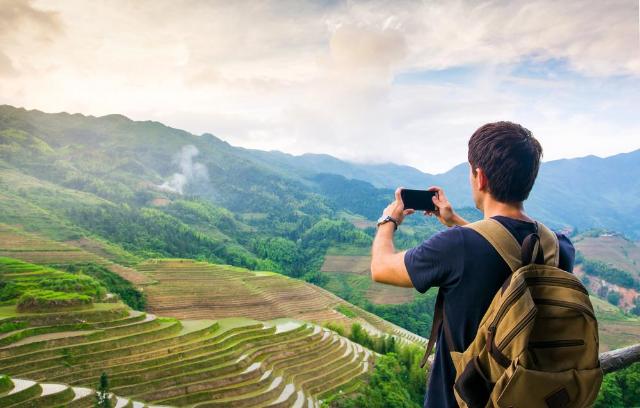
Image Source: depositphotos.com
Traveling through Vietnam is a dream for many adventurers. With its lush rice terraces, buzzing street markets, and serene coastal towns, the country offers an incredible mix of beauty and culture. However, exploring a country as diverse and vibrant as Vietnam often requires constant online access, whether it’s navigating a narrow street in Hanoi, booking a last-minute tour in Hoi An, or sharing photos of Ha Long Bay. Smart travelers know that staying connected is key to a stress-free experience, and that requires more than just hoping for café Wi-Fi.
The Importance of Staying Connected in Vietnam
Vietnam is known for its bustling cities and picturesque countryside, but not every corner of the country has reliable internet access. While big hotels and restaurants usually offer Wi-Fi, many rural areas and local eateries don’t. Having mobile data ensures you can find transportation, look up reviews, or translate signs on the go. It also helps when coordinating plans with local guides or making online payments for excursions.
For travelers, staying online isn’t just about convenience; it’s also about safety. Having access to navigation apps can keep you from getting lost in unfamiliar areas, while communication apps help you stay in touch with friends or family in case of emergencies.
Traditional SIM Cards vs. Modern Connectivity Options
Buying a local SIM card in Vietnam is a common choice for tourists. Providers like Viettel and Mobifone offer affordable packages with decent coverage. However, getting a SIM card can sometimes be time-consuming, especially if you don’t speak Vietnamese. You may need to provide identification and visit a store in person, which isn’t always ideal after a long flight.
This is where digital solutions have become popular among modern travelers. A Vietnam data SIM allows you to activate mobile service without visiting a store or swapping physical cards. It’s particularly useful if you’re traveling to multiple cities like Ho Chi Minh City, Da Nang, and Hue, where staying online consistently makes exploring far easier.
Benefits of Using a Digital eSIM in Vietnam
An eSIM (embedded SIM) is a virtual SIM card built into your smartphone. You can download a data plan before you leave home or as soon as you arrive. For Vietnam, this means you can have instant connectivity without hunting for telecom shops. It’s quick, cost-effective, and flexible.
Coverage is often better, too, as some eSIM providers partner with local networks to give tourists the same access as locals. Whether you’re trekking in Sapa or cruising the Mekong Delta, you’ll enjoy consistent internet speeds. Plus, eSIMs let you keep your primary SIM active, so you can receive calls and texts while using local data.
Staying Connected Across Multiple Regions
Vietnam stretches over 1,000 miles from north to south, and each region comes with its unique charm. From the misty mountains of the north to the sunny beaches in the south, reliable connectivity can make traveling between these areas much smoother. Having your phone ready for train bookings, bus schedules, or Grab rides saves both time and effort.
In many rural areas, cashless payments and online reservations are growing in popularity. Being connected helps you stay on top of these local trends, ensuring you never miss an opportunity due to outdated information or language barriers.
Planning with a Travel-Friendly Data Setup
One of the best things you can do before your trip is research your connectivity options. Setting up a Vietnam data eSIM before landing can eliminate the hassle of finding a store at the airport or negotiating language differences. Many providers allow you to purchase plans online, so your phone is ready to connect the moment you step off the plane.
Travelers who move between Vietnam and neighboring countries, such as Cambodia or Laos, also appreciate the flexibility of eSIMs. Some regional plans cover multiple destinations, removing the need to buy separate SIM cards in each country.
Other Smart Ways to Stay Online
Aside from mobile data, a few additional strategies can enhance your connectivity experience:
- Download offline maps: Apps like Google Maps allow you to save maps for regions with limited connectivity.
- Use translation apps: Tools like Google Translate or Papago are lifesavers for menus or signs.
- Set up Wi-Fi calling: If your accommodation offers good Wi-Fi, this can be a backup for staying in touch.
- Portable chargers: With all-day use of navigation and apps, a power bank ensures your phone won’t die mid-trip.
By combining these strategies with a reliable data plan, you’ll be well-prepared for any situation.
Wrapping Up
Staying online in Vietnam isn’t just about convenience; it’s about unlocking the best experiences the country has to offer. Whether you’re exploring the winding streets of Hanoi’s Old Quarter or lounging in the serene beauty of Phu Quoc, a stable connection keeps you informed, safe, and connected to the people and places you care about.
For modern travelers, solutions like a Vietnam data eSIM provide seamless connectivity that adapts to every corner of the country. With the right preparation, you can travel confidently, knowing you’re always just a click away from the information and support you need.