
How Credit Card Data Theft Impacts Personal Security
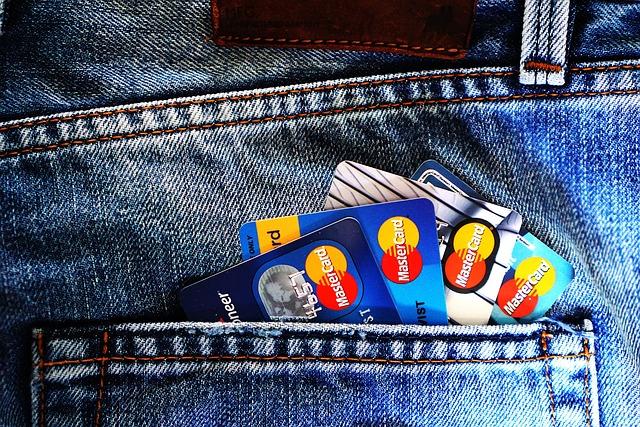
Credit card data theft poses real risks to your personal security. Beyond financial losses, it can affect your privacy, your credit history, and your peace of mind.
Understanding these impacts helps you take proactive steps to protect yourself.
Identity Theft
When your credit card data is stolen, identity theft becomes a major risk, and can lead to a strenuous identity theft recovery.
Criminals often use this information to impersonate you, to apply for loans or open new accounts in your name. This can spiral into serious legal and financial issues if left unchecked.
The last thing you want after finding the ideal UK credit cards to help you build better credit, for instance, is to discover that you’ve been the victim of identity theft. So, protect your personal details to ensure thieves can’t misuse them against you later.
Risk to Credit History Stability
Stolen credit card data can severely impact your credit history. Fraudulent transactions or unauthorised accounts in your name may go unnoticed until they harm your credit score.
These marks can take years to rectify, affecting loan approvals, interest rates, and financial opportunities.
Your credit history is more than numbers—it reflects trustworthiness for lenders and landlords alike.
Once compromised, rebuilding it demands time and effort.
Regularly checking statements and monitoring reports helps you spot issues before they escalate further into lasting damage.
Online Account Takeovers
Stolen credit card data often links to other personal accounts.
If your credentials are exposed, cybercriminals might gain access to online banking, shopping platforms, or even social media profiles. Once inside, they can make unauthorised purchases or exploit your accounts for further scams.
It’s like leaving a window open in a secure house—your entire digital presence becomes vulnerable.
Enabling two-factor authentication and using strong, unique passwords for every account helps keep criminals locked out of these opportunities entirely.
Increased Vulnerability to Scams and Fraud
When credit card data is stolen, scammers often use the information to target you directly. This can include phishing emails, fraudulent calls posing as legitimate organisations, or offers designed to steal even more personal details.
Criminals exploit your exposed data for tailored scams that appear convincing.
Falling victim to these tactics not only leads to further financial losses but also compromises other areas of your security.
Staying vigilant by verifying communications and avoiding unsolicited links is key to reducing these risks effectively.
Compromised Personal Privacy
Credit card theft isn’t just about money—it exposes your personal details too. Thieves gain access to sensitive information like your address, phone number, and transaction history.
This compromises your privacy and increases the chances of further intrusions into your personal life.
Your data could end up being sold on the dark web or misused for targeted schemes against you.
Maintaining control over who has access to this information by using secure payment methods online is essential for safeguarding your privacy.
Wrapping Up
Protecting your credit card information is vital for maintaining personal security. By staying informed and vigilant, you reduce risks like identity theft, financial harm, and long-term damage to your privacy and stability.