
How to Choose the Right PLA 3D Printer and 3D Printing Filaments for Your Projects
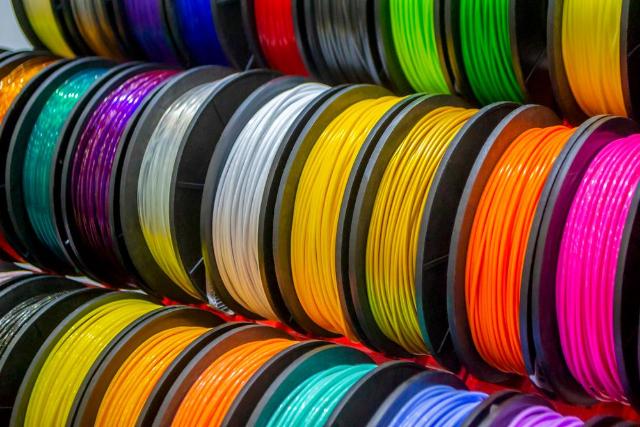
Image Source: depositphotos.com
In the rapidly developing world of 3D printing, PLA 3D printers and 3D printing filaments have come to be the go-to preference for hobbyists, educators, designers, and even small agencies. Whether you're developing prototypes, practical parts, or progressive artwork pieces, deciding on the proper printer and filament is the first step towards attaining super consequences. With such a whole lot of models, capabilities, and filament sorts available, it’s easy to feel overwhelmed.
In this manual, we’ll walk you through the vital elements whilst selecting the ideal PLA 3D printer and matching filaments for your projects, so that you can create with confidence and precision.
Why PLA Is a Popular Choice for 3D Printing
Before diving into printer choice, it’s essential to apprehend why PLA is this sort of famous cloth inside the 3D printing network. PLA (Polylactic Acid) is the biodegradable thermoplastic material made out of renewable materials such as cornstarch or sugarcane.
Key benefits of PLA:
Eco-friendly—Derived from primarily plant-based substances, making it more secure for the surroundings.
Low printing temperature—Typically 180–220°C, making it easy to print without a heated chamber.
Minimal warping—ideal for beginners and precise printing.
Wide shade options – Available in colorful sun shades for innovative tasks.
Smooth floor finish—excellent for decorative items, models, and visible prototypes.
This versatility makes PLA a smart choice for anyone starting with 3D printing or jogging on obligations wherein appearance is as much a subject as loads of features.
Step 1: Choosing the Right PLA 3D Printer
When deciding on a PLA 3D printer, you need to focus on capabilities that match your assignment desires, talent stage, and charge variety.
1. Print Volume
The print extent determines how huge your objects may be.
Small printers (150×150×150mm) are super for miniatures, models, and small elements.
Medium printers (220×220×250 mm, like many Geeetech models) work well for maximum personal and educational initiatives.
Large-format printers are perfect for huge prototypes or batch production.
Tip: If you frequently print huge gadgets, investing in a printer with a beneficial build volume can save time via averting component segmentation.
2. Build Quality and Frame Design
A strong printer body reduces vibrations, which improves print greatly.
Open-body printers—easier to display prints but lots less temperature management.
Enclosed printers—better for normal printing in managed environments.
3. Filament Compatibility
While your interest is in PLA, it’s clever to pick a printer that also can deal with other filaments like PETG, ABS, or bendy TPU. Many Geeetech 3D printers feature all-steel extruders, or hotends, able to reach higher temperatures, increasing your revolutionary opportunities.
4. Ease of Use and Setup
For beginners, features like
- Auto mattress leveling
- Touchscreen controls
- Pre-assembled kits
could make the printing revel in lots smoother.
If you’re a DIY fanatic, a self-meeting printer can offer greater customization.
5. Print Speed and Quality
Stability between tempo and detail is important. High-terrific PLA printers maintain accuracy even at faster speeds. Look for printers with:
- Precision stepper automobiles
- Stable Z-axis movement
- Fine layer choice (as little as 0.1 mm)
6. Connectivity Options
Modern 3D printers guide:
- SD card / USB printing
- Wi-Fi or cloud printing
Step 2: Selecting the Best PLA Filament for Your Needs
Even the fantastic printer will underperform with low-quality filament. This is because it is important to select the right PLA 3D printing filament to have professional outcomes.
1. Standard PLA
Best for ordinary prints, prototypes, and decorative models. It’s less expensive, clean to print, and works well in nearly any PLA-properly suitable printer.
2. PLA+ (Enhanced PLA)
PLA+ has superior strength, flexibility, and temperature resistance compared to standard PLA. It’s perfect for sensible factors or prints that require greater durability.
3. Silk PLA
Produces an easy, metallic-like finish—excellent for show items, trophies, or cosplay props.
4. Matte PLA
Offers a non-reflective, easy floor, first-rate for expert-searching prototypes.
5. Specialty PLA
PLA filaments infused with timber, carbon fiber, or glow-in-the-dark particles add specific consequences and textures to your prints.
6. Filament Diameter and Tolerance
Most printers use 1.75mm filament; however, consistency is subject to Look for filaments with a tolerance of ±0.02 mm for smooth extrusion. Geeetech’s PLA filaments meet those precision standards, ensuring fewer jams and incredible higher print quality.
Step 3: Matching Printer Settings to PLA Filament
Even with the proper printer and 3D printing filaments, you’ll need the right settings to get the remarkable results.
Nozzle temperature: 180–220°C (comply with filament producer’s manual)
Bed temperature: 40–60°C (PLA often doesn’t require a heated bed; however, a slight warmth can improve adhesion)
Print speed: 40–60 mm/s for a top-notch balance of satisfaction and efficiency
Cooling: PLA blessings from active cooling fanatics to save you warping and decorate the element.
Step 4: Considering Your Project Goals
Your supposed use should be the manual for your printer and filament alternatives:
Miniatures & Art – Opt for high-resolution printers and strong-point PLA (silk, matte).
Prototypes – Choose a mid-length printer with PLA+ for more potent, beneficial components.
Educational Use – Go for a someone-fine printer with safety capabilities and preferred PLA for smooth handling.
Large Displays—Invest in a massive-format printer and lightweight PLA for quicker prints.
Step 5: Budgeting for Quality
While it’s tempting to pick out the most inexpensive alternative, 3D printing is a funding. A dependable printer paired with top-rate PLA filament will prevent expensive reprints, wasted time, and frustration.
Geeetech gives plenty of cheap but notable printers and filaments, offering you superb value without sacrificing performance.
Maintenance Tips for Long-Term Performance
Store PLA nicely—keep filament in a dry, airtight subject with silica gel packs to keep away from moisture absorption.
Clean the nozzle frequently—prevents clogs and continues first-rate extrusion.
Level the bed before printing—even slight unevenness can cause horrible adhesion.
Update firmware—Manufacturers like Geeetech often release updates to enhance typical overall performance.
Conclusion
Choosing the right PLA 3D printer and 3D printing filaments could make all of the difference within the fulfillment of your projects. By focusing on print quality, construction, ease of use, filament type, and settings, you’ll set yourself up for easy printing and amazing consequences.
3D printing may bring your innovative ideas to life whether or not you're a newbie exploring the sector of 3D printing or a skilled maker pushing the limits of layout.