
The Hidden Dangers of Using Cheap Charging Cables
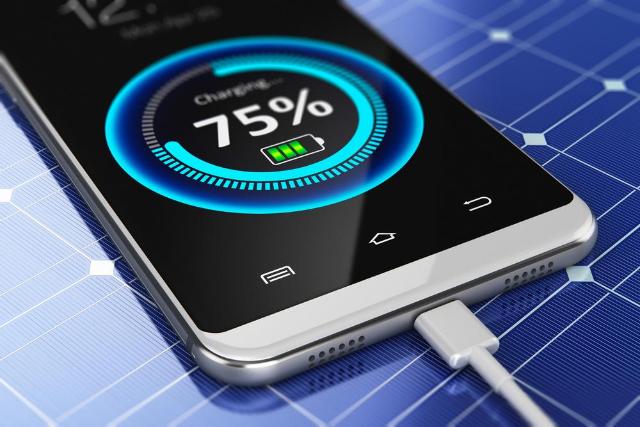
Image Source: depositphotos.com
In a world where we rely on our phones constantly, a charging cable is an essential accessory. It's tempting to grab the cheapest option available when you need a replacement, but that seemingly small saving can come with significant risks. As Mobile Fix Experts, we've seen firsthand the damage that uncertified, low-quality charging cables can inflict on devices and, more importantly, on safety. This guide will uncover the hidden dangers of these cheap alternatives and explain why investing in a quality cable is always the smarter choice.
The Anatomy of a Charging Cable
A charging cable might look simple—just a wire with connectors—but a quality cable is a precisely engineered component. It contains multiple insulated wires for power, data transfer, and often a ground wire, all housed within durable shielding and a protective outer jacket. Certified cables (like Apple's MFi-certified or reputable Android cables) are designed to meet specific safety and performance standards. They regulate voltage and current flow, protect against surges, and ensure efficient and safe charging. Cheap cables, on the other hand, often cut corners on these critical internal components.
The Hidden Dangers
The cost savings of a cheap cable often come at the expense of safety and your device's longevity.
Risks to Your Device 📱
- Battery Damage: Cheap cables lack proper voltage regulation. This can lead to inconsistent power delivery, overcharging, or undercharging, all of which accelerate battery degradation and reduce its lifespan. In severe cases, it can cause the battery to swell or even ignite.
- Slow Charging and Inefficient Power Transfer: Without proper wire gauge and shielding, cheap cables lose more energy as heat, resulting in significantly slower charging times. Your phone might never reach its optimal charge speed.
- Port Damage: Poorly manufactured connectors on cheap cables can be ill-fitting, causing physical damage to your phone’s charging port over time. This can lead to expensive repairs, like replacing the charging port itself.
- Data Transfer Issues: If you use the cable for data transfer, cheap cables are prone to errors, slow speeds, or outright failure due to poor internal wiring and shielding.
Safety Hazards 🔥
- Fire and Electrical Shock: This is perhaps the most alarming danger. Substandard insulation and lack of proper safety circuits can lead to overheating, short circuits, and even fires. The plastic casing can melt, exposing live wires and creating a serious risk of electrical shock.
- Overheating: As mentioned, poor quality leads to inefficient energy transfer, which manifests as heat. Both the cable and your phone can overheat, posing a fire risk, especially if left unattended or charging overnight, which is why a Fire Watch Company Near Me can help monitor properties during high-risk situations.
- Poor Durability: Cheap cables are often made with low-grade materials that fray, crack, or break easily. This exposes internal wires, increasing the risk of electrical hazards and device damage.
How to Spot and Avoid Dangerous Cables
Protecting your devices and your safety is easier than you think.
- Look for Certifications: For iPhones, always look for the "Made for iPhone/iPad/iPod" (MFi) logo on the packaging. For Android, stick to reputable brands and check for reviews or certifications where applicable.
- Examine Quality and Feel: A good quality cable feels substantial and well-made. The connectors should fit snugly into your device without wobbling. Avoid cables with flimsy plastic, loose-fitting connectors, or thin wiring.
- Buy from Reputable Retailers: Purchase cables directly from your device manufacturer (Apple, Samsung, Google), their authorized resellers, or well-known electronics stores. Avoid unknown online sellers or extremely low prices that seem too good to be true.
- Don't Ignore Warning Signs: If your cable feels unusually hot, sparks, or shows any signs of damage (fraying, exposed wires), stop using it immediately and replace it.
Conclusion & Final Thoughts
While it's tempting to save a few dollars on a charging cable, the potential risks to your device and your personal safety far outweigh any initial savings. Investing in certified, high-quality charging cables is a small but crucial step in protecting your valuable smartphone and ensuring a safe charging experience. Don't compromise on quality when it comes to something so essential.
If you suspect your phone has been damaged by a faulty charging cable or you're experiencing issues with your charging port, don't hesitate to seek professional help. For expert phone repair in New York, visit us at Mobile Fix Experts for reliable and safe solutions.
FAQs
Q1: What is the MFi certification? A1: MFi stands for "Made for iPhone/iPad/iPod." It's a licensing program by Apple that ensures third-party accessories meet Apple's performance and safety standards.
Q2: Can a bad cable cause my phone to charge slowly? A2: Yes, absolutely. Cheap cables often have thinner wires or poor construction, leading to higher resistance and slower charging speeds.
Q3: My phone's charging port seems loose after using a cheap cable. What should I do? A3: Stop using the problematic cable. A loose charging port can be due to physical damage from an ill-fitting connector. For Iphone repair in New York or any charging port issues, it's best to have a professional technician assess and repair it to prevent further damage.
Q4: Where can I find reputable charging cables? A4: You can buy them directly from your phone's manufacturer, from certified electronics stores, or from reputable online retailers. Always look for brand names you trust and official certifications. If you need a diagnostic or repair, you can visit us for phone repair in New York at our Google Maps Profile: Mobile Fix Experts Google Maps Profile.
Disclaimers
The information provided in this post is for educational purposes only and is not a substitute for professional diagnosis or repair. Always use certified charging accessories to ensure the safety and longevity of your device.