
Flail Mower: Efficient Cutting for Tough Grass and Vegetation
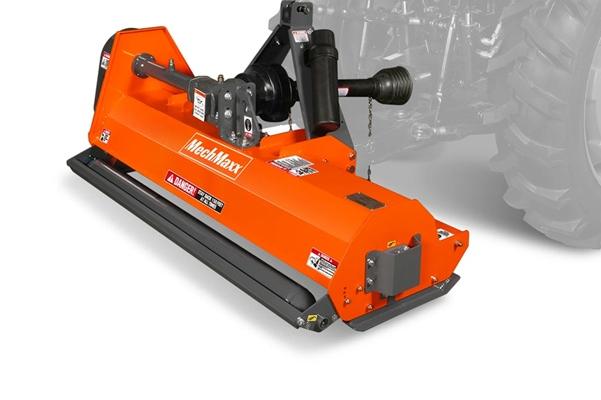
Managing grass, weeds, and heavy vegetation requires more than basic cutting equipment. Uneven ground, dense growth, and safety concerns all play a role in choosing the right mower. For many operators, the goal is not just to cut, but to do it cleanly, consistently, and with control.
This is where a flail mower becomes a practical solution. Designed to handle tough conditions while producing an even finish, it is widely used in agriculture, roadside maintenance, and property care where reliability matters.
What a Flail Mower Is and How It Works
A flail mower is a cutting machine that uses multiple small blades, known as flails, attached to a rotating drum. As the drum spins, the flails strike vegetation repeatedly, breaking it down into fine material rather than cutting it in a single pass.
Unlike traditional rotary mowers that rely on fixed blades, flail mowers adapt better to uneven terrain and dense growth. The enclosed housing helps control debris, improving safety and reducing the risk of thrown objects. This cutting method allows the mower to handle grass, weeds, and light brush while leaving a more uniform finish.
Because of this design, flail mowers are often chosen for areas where both cutting performance and safety are important.
Where Flail Mowers Are Commonly Used
Flail mowers are chosen for environments where vegetation is uneven, dense, or difficult to manage with standard mowers. Their cutting method allows them to work close to the ground while maintaining stability and control, even on rough surfaces.
They are commonly used in:
- Roadside and highway maintenance
- Farms and agricultural fields
- Orchards and vineyards
- Estates, parks, and large properties
- Areas with overgrown grass and weeds
Because flail mowers handle changing ground conditions well, they are trusted in places where consistency and safety are important.
Flail Mower vs Rotary Mower (Practical Comparison)
While both machines are designed to cut vegetation, they operate differently and suit different tasks. Understanding this difference helps operators choose the right equipment for their needs.
|
Aspect |
Flail Mower |
Rotary Mower |
|
Cutting method |
Multiple free-swinging flails |
Fixed rotating blades |
|
Cut quality |
Even and finely mulched |
Rougher finish |
|
Safety |
Better debris control |
Higher risk of thrown objects |
|
Terrain handling |
Uneven and dense areas |
Mostly flat, open ground |
Flail mowers stand out when control, safety, and a clean finish are required, especially in challenging terrain or areas close to people and structures.
Understanding Flail Mowers for Sale
When looking at a flail mower for sale, most buyers are focused on how well the machine matches their real working conditions. The goal is not simply to cut vegetation, but to do it efficiently, safely, and with consistent results over time.
Different users approach the decision from different needs. Some prioritize durability for frequent use, while others focus on versatility across changing terrain. In practice, buyers usually consider:
- The type and density of vegetation
- Compatibility with their tractor or carrier machine
- How often the mower will be used
- Long-term maintenance expectations
Viewing flail mowers through this practical lens helps narrow choices and leads to better performance in the field.
Key Components That Define Performance
A flail mower’s cutting quality and reliability depend on how its main components work together. Each part plays a role in maintaining balance, control, and cutting consistency.
Main Flail Mower Components
|
Component |
Function |
|
Rotor drum |
Holds and rotates the flail blades |
|
Flail blades |
Strike and cut vegetation |
|
Housing |
Contains debris and controls discharge |
|
Rear roller |
Maintains cutting height and stability |
|
Drive system |
Transfers power from the machine |
When these components are properly designed and maintained, the mower delivers smoother operation, reduced vibration, and more uniform cutting results.
Types of Flail Blades and Their Purpose
Not all flail blades are the same. The blade style affects how the mower cuts, how much power it needs, and how well it handles different types of vegetation. Choosing the right blade helps improve efficiency and protects the machine from unnecessary strain.
Some blade types are designed for lighter grass and regular maintenance, while others are built for thicker weeds and rougher growth. Heavier blades tend to deliver stronger impact for dense material, whereas lighter flails provide a finer finish on softer vegetation. Matching the blade type to the job results in cleaner cuts and smoother operation.
Choosing the Right Flail Mower Setup
Selecting a flail mower works best when you focus on how and where it will be used. The right setup supports steady performance instead of forcing the machine to operate beyond its comfort zone.
Before making a choice, it helps to consider:
- The power and compatibility of your tractor or carrier
- The width needed to cover your working area efficiently
- Ground conditions, including slopes or uneven terrain
- How much time you want to spend on routine maintenance
When these factors align, a flail mower becomes a dependable tool that handles vegetation consistently and safely.
Maintenance, Safety, and Long-Term Reliability
A flail mower performs best when routine care is part of regular use. Simple maintenance habits keep cutting quality consistent and extend the life of both blades and drive components.
Key practices include checking blade condition, keeping the housing clean, and ensuring all fasteners remain secure. Safe operation also matters—working at appropriate speeds and staying aware of surroundings reduces wear and improves control. With steady care and correct use, a flail mower remains a reliable tool for long-term vegetation management.
Closing Thoughts
A flail mower is built for situations where vegetation is uneven, dense, or difficult to manage with standard cutting equipment. Its design focuses on controlled cutting, improved safety, and consistent results across a wide range of conditions.
When chosen carefully and maintained properly, a flail mower becomes a dependable part of long-term land management. For agricultural work, roadside maintenance, or property care, it offers a balanced solution that combines efficiency, durability, and clean cutting performance.