
Is Extreme Weather Relevant When It Comes To Cybersecurity?
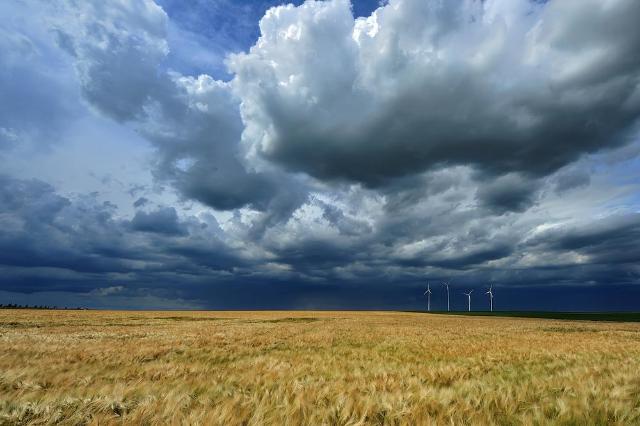
Image Source: depositphotos.com
People often don't think about how one simple summer storm can completely cripple an entire operation. We're talking about servers going dark, security cameras stopping working, and even some hardware components getting fried.
And suddenly there's a huge panic, and no one knows what to do exactly. The backup generator hasn't been properly maintained and is acting up. You can't get the emergency power online for whatever reason.
And while this situation is bad in itself, this isn't the MAIN issue.
The real danger isn't the summer storm. Nor is it the stress. The main villain is that there's a massive breach window hovering above you, and you don't even notice it.
Along with being a huge climate issue, extreme weather is now also the ideal stress test for cybersecurity. It hits the physical systems first, but the ripple effects go deep into digital space. Who needs a phishing email when a fried router can let attackers in?
And that chaotic element – the weather – isn't something you can exactly prepare for; or is it?
Let's find out.
How Does Weather Even Become a Cybersecurity Problem
When you think of 'cybersecurity,' you're probably imagining antivirus software, malware, and hackers.
But the biggest digital fails actually often start with something a lot less sophisticated, and that's bad weather.
Data centers are at an especially high risk. Let's say there's a heatwave and the cooling system is pushed past its limits. Or there's a flood that knocks down entire server rooms in minutes.
This can all lead to downtime and corrupted data. It can also lead to an emergency shutdown, which opens gaps in protection.
If you're planning to stay ahead of these types of catastrophes, you can make use of very accurate historical weather data for every location to find patterns of extreme conditions and then build an infrastructure that will manage to handle them.
Cyber Resilience & Environmental Disruptions
But what's important today is not only keeping your data clear from breaches, but also preventing outages. You want your systems alive 24/7, especially when it counts.
Apart from having backup plans, it's more important to predict environmental factors such as the weather or earthquakes, which may cause power outages, or lightning storms, which may even cause damage to hardware. And when sensitive data is involved, that's expensive (and sometimes even outright dangerous).
Think about it – the weather doesn't care whether you've got 2FA or biometric security. If the server room overheats for whatever reason or the power grid fails, all digital defenses go down with the system.
Here's what you can do to protect it.
Bringing Weather into Security Planning
Good security planning means knowing what's coming, and not just from attackers.
You need to know what the sky has in store, too. You can build awareness if you mix data on weather with your usual risk checks.
Real-time alerts and weather APIs can help you see patterns and predict (up to a point, of course) when conditions could cause problems. If there's a storm or a heatwave heading your way, early warnings will give you time to back up data and shut down systems that are at risk.
This way, you're not reacting when things break but preparing before they do.
Making Your Setup Tougher
Even the strongest security plan doesn't mean much if the equipment can't survive bad weather.
Data centers and offices should be built or upgraded to handle what's coming. That means, higher floors if floods are common, as well as waterproof walls. You also can't forget about reliable backup power and cooling that works even in record heat.
A major part of cyber resilience is making sure your hardware and buildings can still run while everything outside falls apart.
Keeping Everyone Connected
Communication is everything when things don't go as planned.
If people don't know where to get updates or who to listen to, how can they not make mistakes?
This is why you and your team need a simple plan for how to stay in touch during an emergency. Set clear channels (and that doesn't mean 10 different emails or apps!) and make sure everyone knows how to confirm if a message is real. Fake alerts and phishing spread easily during chaos.
Conclusion
The weather is the most unpredictable 'hacker' out there. Well, not EXACTLY a hacker, but you get the gist. Hackers know what they want and what they're after. Weather? Pure chaos.
It's especially problematic because you can't block or outsmart it like you can with actual, human hackers. You can plan for it, but that's really it.
Still, good planning is where resilience starts because you're not cleaning up the mess; you're preventing it.
So, the next time you see bad weather coming your way, don't just secure an umbrella or a raincoat; make sure your backups are there, your generators are up to speed, plus make sure the entire team knows what their task is in case the power goes down.
Don't let luck be a major determining factor; limit its power.