
The Evolution of AI Technology: Shaping a Smarter Digital Era
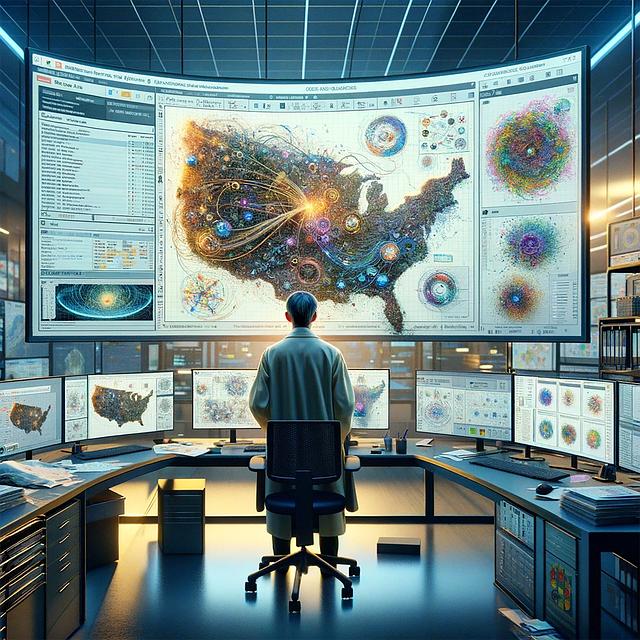
Artificial Intelligence (AI) has evolved from a futuristic concept to an everyday reality, influencing nearly every corner of our lives. From entertainment to business automation, AI technology has become the backbone of the digital transformation we see today. Tools like Free Unlimited Video Face Swap illustrate how AI can merge creativity and innovation, allowing users to seamlessly blend faces in videos with stunning accuracy. This once-complex task now happens in seconds, showcasing how machine learning and computer vision have revolutionized media production.
Beyond entertainment, AI’s influence stretches across industries - healthcare, education, retail, logistics - creating efficiency, precision, and scalability. The journey of AI technology reflects humanity’s drive to replicate and enhance cognitive abilities, helping machines learn, adapt, and even predict outcomes faster than humans. The transformation of manual tasks into automated, intelligent workflows stands as a key milestone in AI development.
From Automation to Intelligence: AI’s Expanding Role
Early AI systems were rule-based - following pre-set instructions without the ability to learn. Today, with neural networks and deep learning, AI models can analyze massive datasets, recognize patterns, and make data-driven decisions autonomously. This evolution has led to more advanced applications such as natural language processing, image recognition, and generative design.
In marketing and advertising, AI now plays a central role in understanding consumer behavior, creating personalized recommendations, and optimizing ad performance. This transformation can be seen through tools like AI Ad generator - AdMaker.ai, which empowers businesses to create high-quality, data-optimized ads effortlessly. Instead of spending hours crafting visuals or writing copy, marketers can rely on AI algorithms that analyze trends, target audiences, and generate ad variations proven to convert.
AI’s ability to test and adapt campaigns in real time marks a shift from guesswork to intelligent strategy. This democratization of ad creation gives even small businesses access to professional-grade marketing technology once reserved for major corporations.
Creativity Redefined: How AI Enhances Visual Media
The intersection of creativity and AI has given rise to a new generation of visual tools. Video and image editing, which once required specialized skills, are now accessible to anyone. The best example of this innovation lies in real-time editing applications like face swap and style transformation tools that use generative AI models to produce hyper-realistic results.
Similarly, image to video AI has become a powerful medium for storytelling and content creation. With this technology, a single image can be transformed into a dynamic, moving visual - breathing life into static pictures. For brands, artists, and educators, it opens limitless creative possibilities, from promotional campaigns to educational animations. The ability to generate motion from stillness symbolizes the artistic side of AI development: it’s not just about automation, but about expanding imagination.
The Ethical and Human Dimension of AI Development
While AI continues to push boundaries, it also raises important ethical questions. Issues surrounding data privacy, bias, and automation’s impact on employment remain central to the global conversation about responsible AI. Developers and policymakers are now focusing on creating systems that are transparent, fair, and inclusive.
Moreover, AI should enhance human creativity, not replace it. The goal is to build technology that collaborates with humans - amplifying ideas, saving time, and removing technical barriers. When used ethically, AI acts as a partner in creation, providing tools that empower users to tell stories, solve problems, and design experiences previously unimaginable.
The Next Frontier: Human-AI Collaboration
Looking ahead, the future of AI lies in deep collaboration between humans and machines. As algorithms become more context-aware and emotionally intelligent, the boundary between human creativity and machine precision will continue to blur. We’re moving toward a future where AI not only understands our commands but anticipates our needs.
In entertainment, face-swapping and generative video tools will continue to evolve, allowing users to personalize content like never before. In marketing, AI ad generators will predict audience responses before campaigns even launch. In design, image-to-video conversion will redefine how we visualize products and stories.
The progress of AI technology is not just about speed or convenience - it’s about creating harmony between innovation and human intention. Each advancement, from creative applications like face swap to analytical tools like AI Ad generator, reaffirms that the real power of AI lies in enabling people to do more, imagine more, and achieve more.