
Ensuring Student Safety: Modern Approaches to Campus Protection
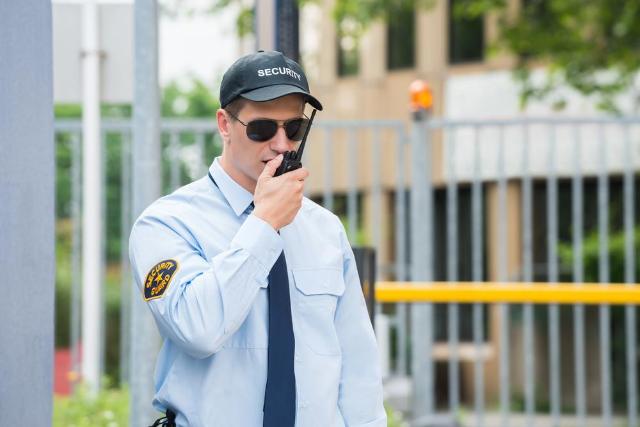
Image Source: depositphotos.com
University today has changed drastically, and you will see how much it has changed. Campuses are more open than they used to be. Students move between physical and digital spaces. Events, visitors, and third-party vendors are part of daily operations. All of this creates opportunity. It also introduces risk.
Maintaining safety at university in such an environment requires more than cameras or guards. It needs a system built with intention. One which is mindful of how a campus actually functions, not how it looks on paper.
Start with a Clear Assessment
Every campus is different. Size, location, student population, and layout all shape the security picture. A plan that works for one institution may fall short at another.
The first step is always assessment.
This process looks at:
- How people move across campus throughout the day
- Where access points are controlled or left open
- How incidents are reported and managed
- What systems are already in place, and how they perform
Most institutions already have some level of protection. The issue is not always absence. It is often the inconsistency.
Professional school security services bring structure to that process. They remove guesswork and replace it with a clear understanding of risk. Once that baseline is established, decisions become more precise.
Think in Layers, Not Isolated Measures
Security that relies on a single measure will eventually fail. Systems need depth.
A layered approach to school campus security means that each element supports the others. If one layer is tested, another is already in place.
On a practical level, this includes:
Access control
Entry points should be defined and monitored. There is no need for every building to be locked down, but access should never be random. Card systems, visitor check-ins, and controlled entry during off-hours create accountability.
Visibility
Cameras and lighting go hand in hand. Surveillance without proper lighting leaves gaps. Lighting without monitoring is also not useful. When combined, they provide both awareness and deterrence.
Personnel
Trained professionals give a campus presence. They are there to observe, engage, and respond. Their role is steady. Most situations are resolved through awareness and communication.
Communication
Information needs to move quickly. Whether it is a minor incident or a larger event, delays create confusion. Mass notification systems and coordinated dispatch reduce that risk.
This is what fortified security looks like in practice. Not heavy-handed. Not intrusive. Just consistent and reliable.
The Value of Trained Presence
Technology is a tool, and it cannot replace experience.
A trained security professional is able to notice what systems are missing. Body language. Changes in behavior. Situations that feel off before they escalate.
On campus, that presence serves several functions:
- It deters unwanted behavior without confrontation.
- It provides immediate support when something does happen.
- It builds familiarity with students and staff.
Over time, that familiarity matters. People are more likely to speak up when they recognize who they are speaking to.
Structured school security services focus on this balance. The goal is not to create tension. It is to maintain a steady presence that supports the environment.
Use Technology with Discipline
There is no shortage of security technology available today. Cameras, sensors, mobile apps, analytics platforms. The challenge is not access. It is integration.
Adding multiple systems without a clear plan creates more problems. Alerts get missed. Data sits unused. Response slows down.
A disciplined approach focuses on function.
Ask simple questions:
- Does this system improve awareness?
- Does it reduce response time?
- Can it integrate with what already exists?
If the answer is no, it likely does not belong.
When used correctly, technology enhances campus safety by providing teams with better information and faster coordination. It should support decision-making, not complicate it.
Training Is What Makes a Plan Work
Equipment does not respond to incidents. People do.
Training is key for any institution. Plans exist on paper, but they are not practiced. When something happens, hesitation follows.
Preparation changes that.
Effective programs include:
- Regular drills based on realistic scenarios
- Clear roles for staff and faculty
- Coordination with local emergency services
- Simple, repeatable procedures
The goal is not to create stress. It is to build familiarity. When people know what to do, they act faster and with more confidence.
Do Not Separate Physical and Digital Security
Campus protection is no longer just about physical space. Universities manage large volumes of sensitive data. That data is a target.
A breach can disrupt operations just as quickly as a physical incident.
Strong school campus security includes:
- Controlled access to digital systems
- Monitoring for unusual network activity
- Protection of research and institutional data
- Clear protocols for responding to cyber incidents
These measures work best when they are aligned with physical security. The same discipline applies to both. Control access. Monitor activity. Respond with clarity.
Build Awareness Without Creating Fear
A secure campus is not one where people feel watched. It is one where people feel informed.
Awareness plays a key role in university safety. Students and staff should know how to report concerns. They should understand basic procedures. They should feel comfortable asking questions.
This can be done in simple ways, such as clear communication about safety resources, regular updates from campus leadership, accessible reporting channels, and engagement with student groups.
When awareness is part of daily life, small issues are addressed before they become larger problems.
Design Matters More Than It Gets Credit For
The physical layout of a campus influences behavior. What that means is that poor lighting, hidden walkways, and unclear entry points can give way to incidents.
Good design reduces such issues. The university could use consistent lighting across pathways and parking areas, open lines of sight where possible, controlled access to residential buildings and visible emergency call points. They are practical adjustments that support fortified security over time.
Security Works Best as a Partnership
No security team functions in isolation. Effective protection comes from coordination.
This includes campus leadership setting clear expectations, security teams maintaining consistent operations, local law enforcement providing support when needed and external partners offering specialized expertise.
A Steady Approach to Campus Protection
Ensuring safety on campus does not require dramatic measures. It requires consistent ones.
Clear assessments. Layered systems. Trained personnel. Practical technology. Ongoing preparation.
When these elements come together, they create an environment that supports both safety and daily campus life.
That is the standard Fortified Risk Group works toward. Not temporary fixes. Not surface-level solutions. Just structured protection built on experience, discipline, and a clear understanding of what works.